
Echinopsis × muelleri

Mueller's Cactus

Overview

Echinopsis × muelleri is an attractive hybrid cactus within the Cactaceae family, highly esteemed among succulent enthusiasts for its large, vibrant blossoms. Like many of its relatives, it displays strong adaptability to indoor pot culture 1.

Taxonomy and Naming

This taxon represents a horticultural hybrid of Echinopsis. The "×" in its scientific name denotes its hybrid origin. The specific epithet "muelleri" honors a notable historical figure or nurseryman in succulent botany 2.

Distribution and Habitat

There are no wild populations of this taxon, as it is a cultivar created by cross-breeding species native to South America. It is exclusively grown under greenhouse or domestic conditions 1.

Appearance

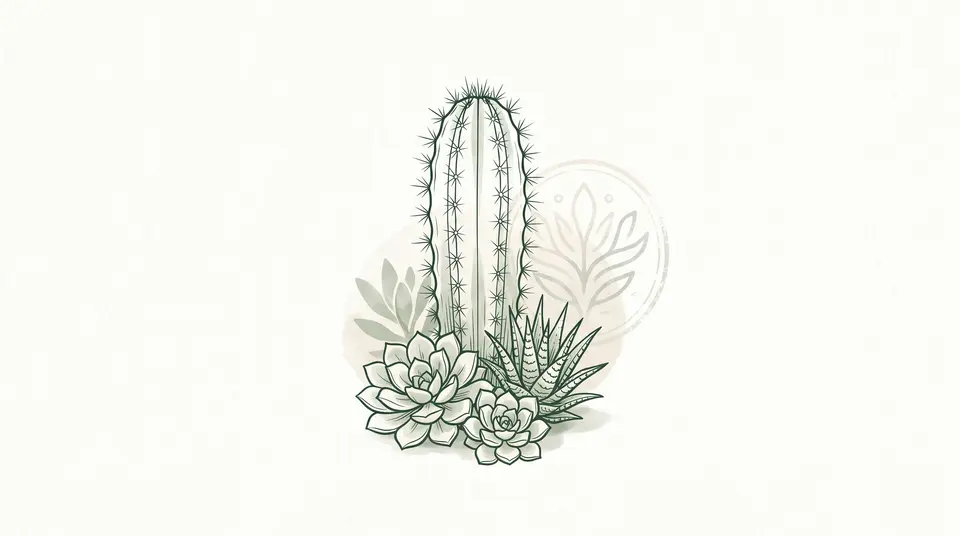
The plant body is globular to short-cylindrical with well-defined ribs. Spines emerge from the woolly areoles along the ribs. Its primary ornamental value lies in its spectacular, funnel-shaped flowers, which emerge in shades of pink or reddish-orange during the warm season 1.

Cultivation

It thrives in bright, indirect light or filtered sunlight. During the growing season, it prefers moderate watering followed by complete soil dryness. In winter, it requires a dry dormancy period at cooler temperatures 2.

Common Care Mistakes

Overwatering in poorly draining soil is the most frequent cause of plant decline, quickly leading to root rot. Keeping the cactus in a warm room during winter often prevents flower bud formation 1.

Bibliography

References

  1. Anderson, E. F. (2001). The Cactus Family. Timber Press.
  2. Hunt, D. (2006). The New Cactus Lexicon. DH Books.
Light

Bright Indirect Light

Requires at least 4-6 hours of bright, filtered sunlight daily.
Watering

10-30 Days

Water only when the soil is dry; keep dry during winter.

Soil

Well-draining cactus mix with pumice and coarse sand

Use a specialized cactus mix high in pumice and coarse grit.

Safety

Pet Friendly

Sharp spines can cause physical injury; handle with care.

Difficulty

Easy

Highly resilient and suitable for beginners.

Native Habitat

South America (Horticultural Origin)

Developed in cultivation through the hybridization of parent species native to South America. It has no native natural habitat.

Frequently Asked Questions

Is Echinopsis × muelleri toxic to cats and dogs?
No, *Echinopsis × muelleri* is non-toxic to pets. However, its sharp spines can cause physical injury, so it should be kept out of reach of curious pets and children.
How often should I water this cactus?
During summer, water once the soil dries out completely (about every 10 days). In winter, reduce watering to once a month or withhold it entirely to mimic its natural dry dormancy.
My Mueller's Cactus is not blooming, what should I do?
To encourage blooming, provide a cool (5-10°C) and completely dry winter rest. Ensure the plant receives ample bright sunlight during spring and summer to fuel bud development.
What potting mix should I use?
Use a well-draining cactus and succulent mix amended with pumice, perlite, and coarse sand. Avoid heavy clay soils that retain moisture and trigger rot.
Can Echinopsis × muelleri tolerate direct sunlight?
It loves bright light, but harsh, direct afternoon sun during peak summer can cause sunburn. Morning sun or filtered bright light is ideal.
How large does this cactus grow?
It is a slow to moderate grower. Under container cultivation, the stem typically reaches a height of 15-25 cm and a diameter of 10-15 cm.
Can I keep my cactus in a warm room during winter?
Keeping it in warm indoor temperatures during winter prevents it from entering its necessary dormant state, which often results in a lack of flowers next spring.
When should I repot the cactus?
Repotting should be done every 2 to 3 years in early spring before the active growth period begins, only when the root system has outgrown the current pot.
What causes brown spots on the stem?
Soft brown spots at the base suggest root rot from overwatering. If the spots are dry and cork-like, they could be natural aging (corking) or old sunburn scars.
How is it propagated?
It is easily propagated by detaching the offsets ('pups') from the base. Allow the cut surface to callus for a few days, then pot it in a sandy, moist medium.