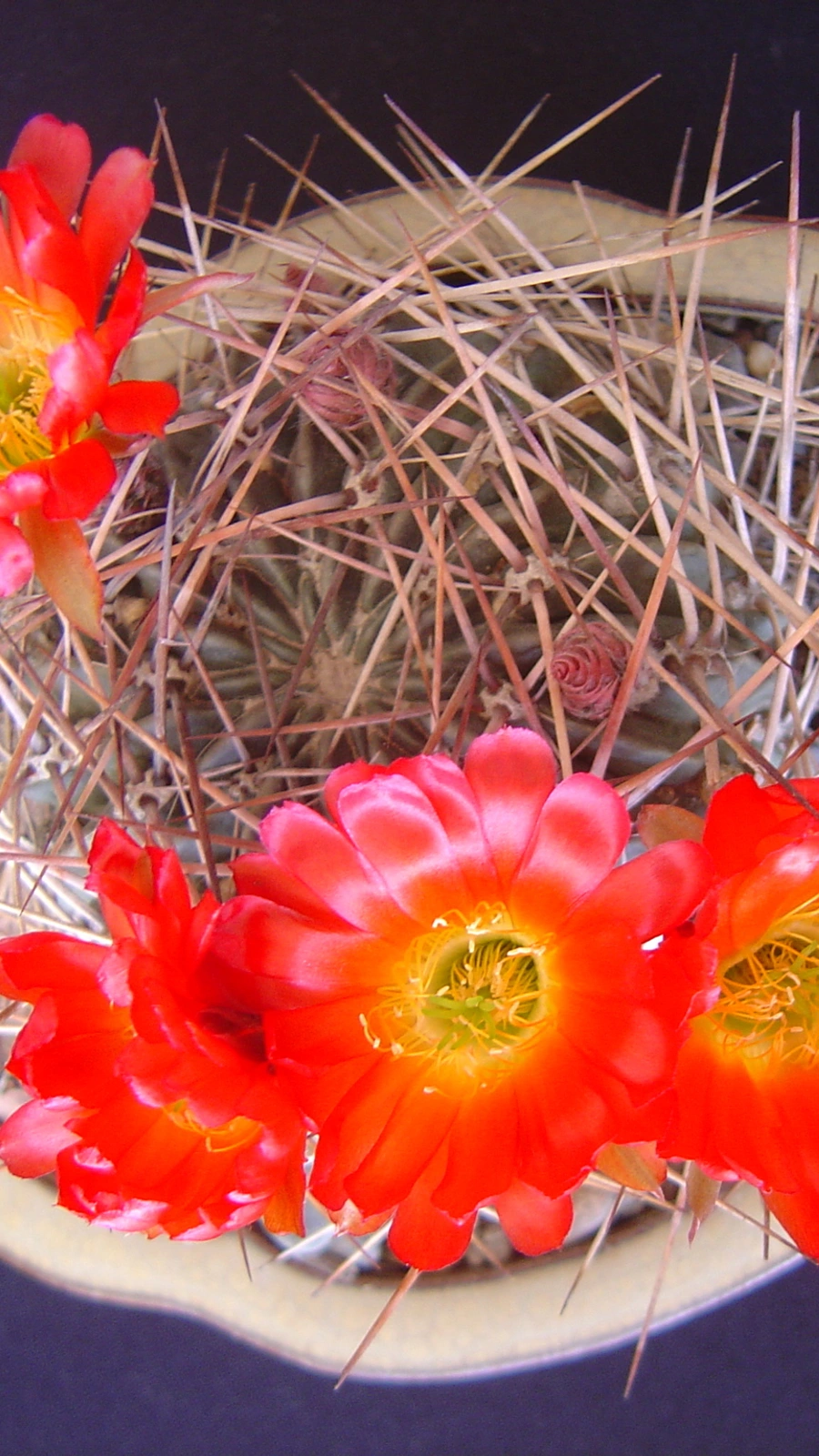
Echinopsis oligotricha

Overview

Echinopsis oligotricha is a succulent subshrub in the family Cactaceae, native to the arid and semi-arid regions of Bolivia. Known for its resilience and low maintenance requirements, it is highly favored by collectors 1.

Taxonomy and Naming

Classified under the genus Echinopsis, the specific epithet 'oligotricha' derives from Greek, referring to its sparse or few-haired areole structures, which distinguish it from denser spined relatives 2.

Native Range and Habitat

This species is native to Western South America, particularly restricted to the dry shrublands and rocky slopes of Bolivia, adapting perfectly to mineral-rich, porous soils.

Appearance

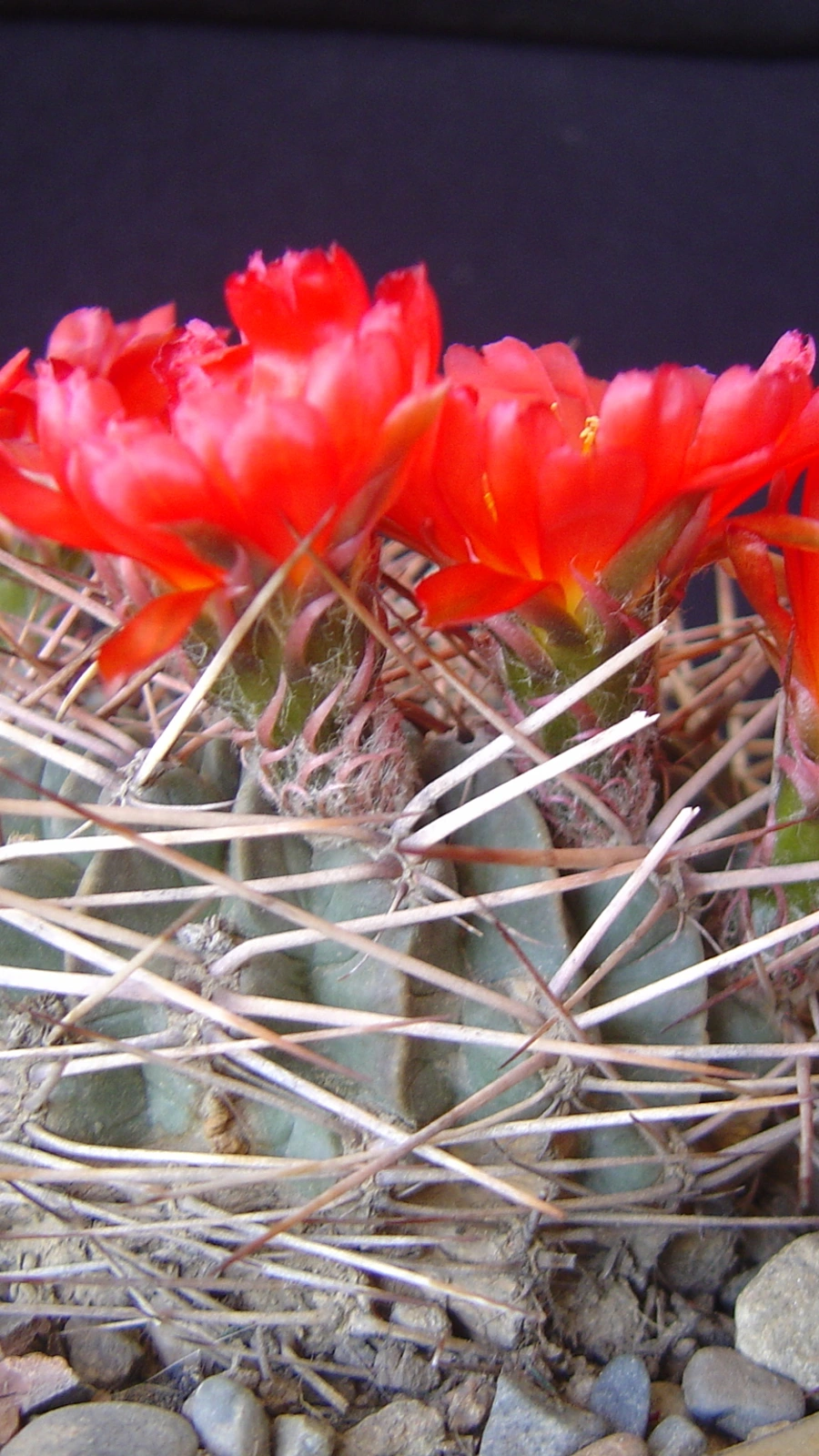
It features a globose to cylindrical stem with prominent ribs. The areoles carry sparse, sharp spines. When mature, it produces beautiful, funnel-shaped nocturnal flowers.

Cultivation and Care

To thrive, it requires maximum light exposure, minimal watering, and an extremely porous growing medium containing pumice and coarse grit 2.

Common Cultivation Errors

The most common issue is root rot triggered by overwatering and lack of container drainage. Keeping the plant wet during its winter dormancy period can be fatal.

Bibliography

References

  1. Plants of the World Online (POWO), Kew Royal Botanic Gardens.
  2. GBIF (Global Biodiversity Information Facility) Portal.
Light

Bright Indirect Light

Prefers bright filtered sunlight; avoid intense direct midday sun in summer.
Watering

10-30 Days

Water thoroughly only when the soil is bone dry. Keep dry in winter.

Soil

Well-draining cactus mix with pumice and coarse sand

Requires very free-draining cactus compost with high pumice/gravel ratio.

Safety

Pet Friendly

Watch out for sharp spines. Handle with gloves. Non-toxic to domestic pets.

Difficulty

Easy

An excellent low-maintenance plant for beginners, provided soil drainage is superb.

Native Habitat

Bolivia, South America

Originates from the high dry valleys of Bolivia, thriving on rocky outcrops and fast-draining slopes under arid climatic conditions.

Frequently Asked Questions

Is Echinopsis oligotricha toxic to pets?
No, *Echinopsis oligotricha* is non-toxic to cats and dogs. However, due to its sharp spines, it should be kept out of reach of pets to prevent physical injuries.
How often should I water it?
During summer, water roughly every 10 days (only when soil is bone dry). In winter, reduce watering to once a month or suspend it entirely during dormancy.
What is the correct soil mix?
Use a specialized cactus mix heavily amended with pumice, perlite, and coarse sand to ensure excellent drainage.
Where should I place it indoors?
A south or west-facing windowsill that receives plenty of bright, indirect light is ideal for this cactus.
How can I encourage flowering?
Providing a cool (5-10°C) and completely dry winter dormancy period will promote bud formation in spring.
What is its growth rate?
It has a slow-to-moderate growth rate. It can remain in the same container for several years without needing repotting.
Can it be left on a balcony in winter?
It can stay outdoors if temperatures do not drop below 5°C and there is no frost. Bring it indoors during freezing weather.
When should I repot it?
Repot every 2-3 years in early spring, only when the root system has fully outgrown its current container.
What should I do if the stem gets soft?
Softness in the stem is usually a sign of root rot caused by overwatering. Stop watering immediately and check the root system.
Is fertilizing necessary?
You can apply a half-strength cactus fertilizer once a month during the active growing season (spring and summer).