Echinopsis oxygona

Easter Lily Cactus

Echinopsis oxygona: The Easter Lily Cactus

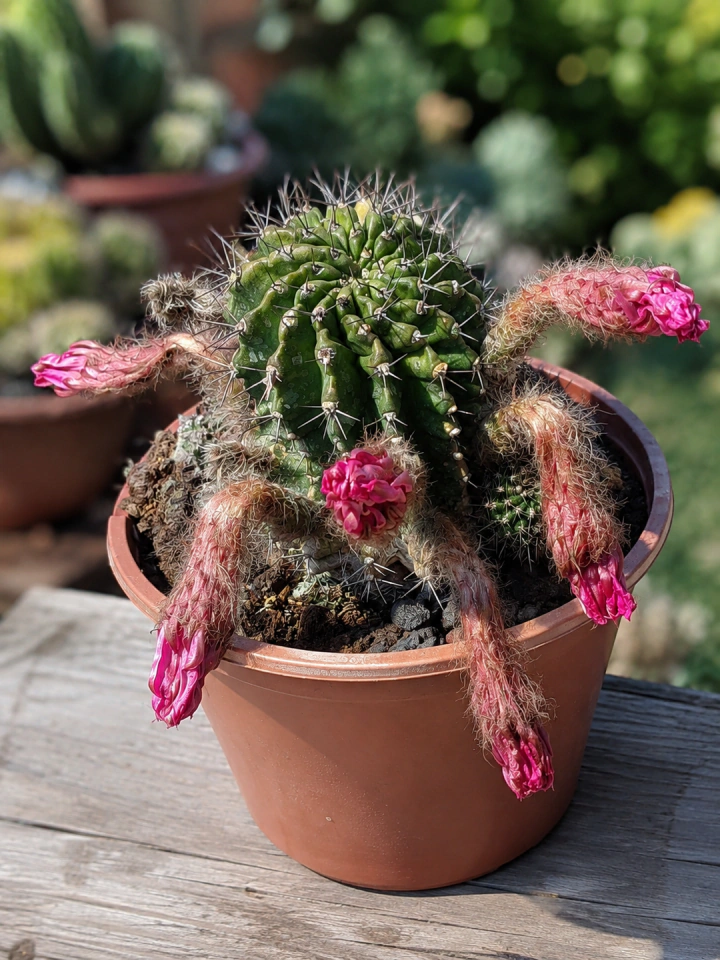
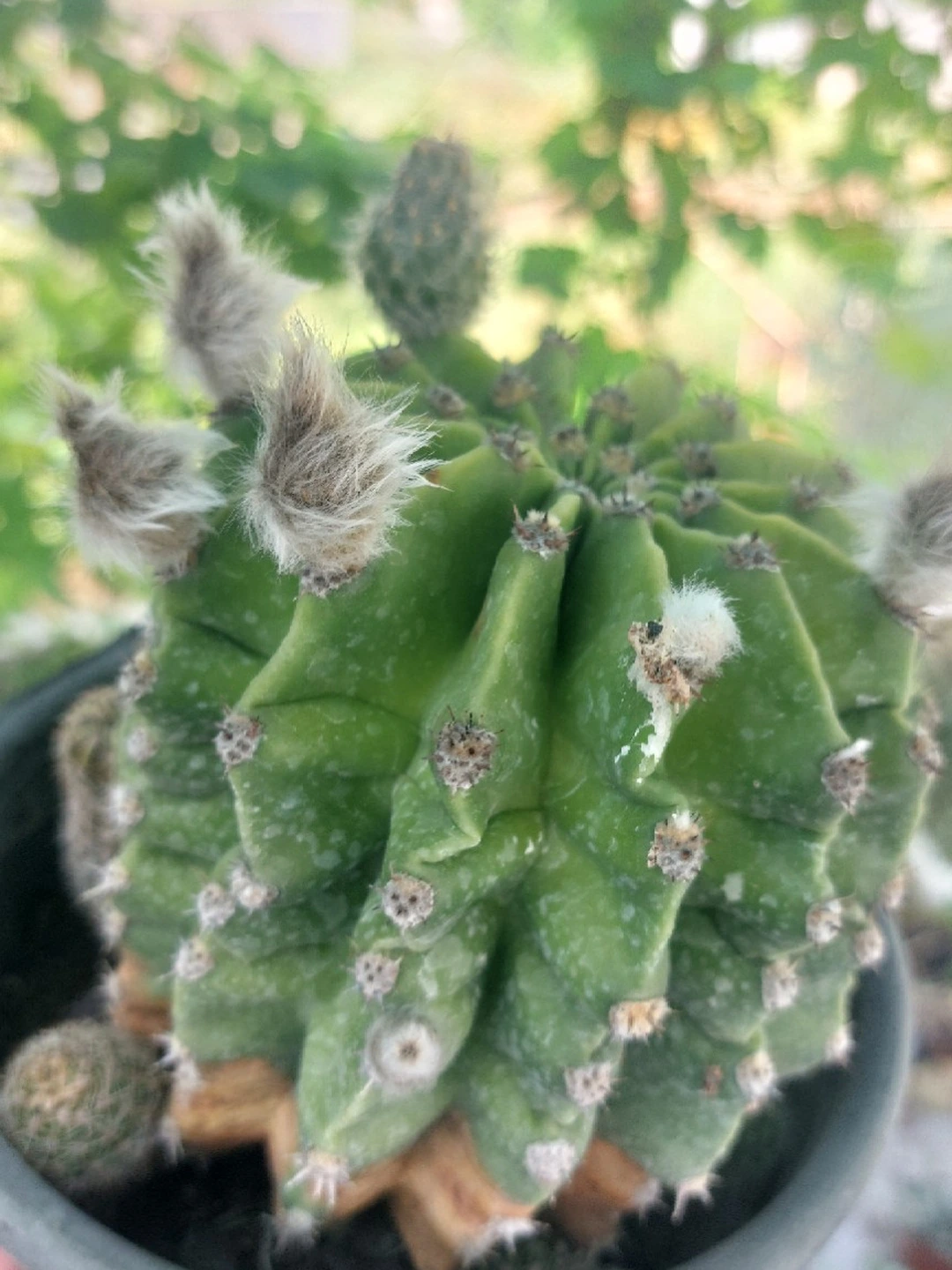
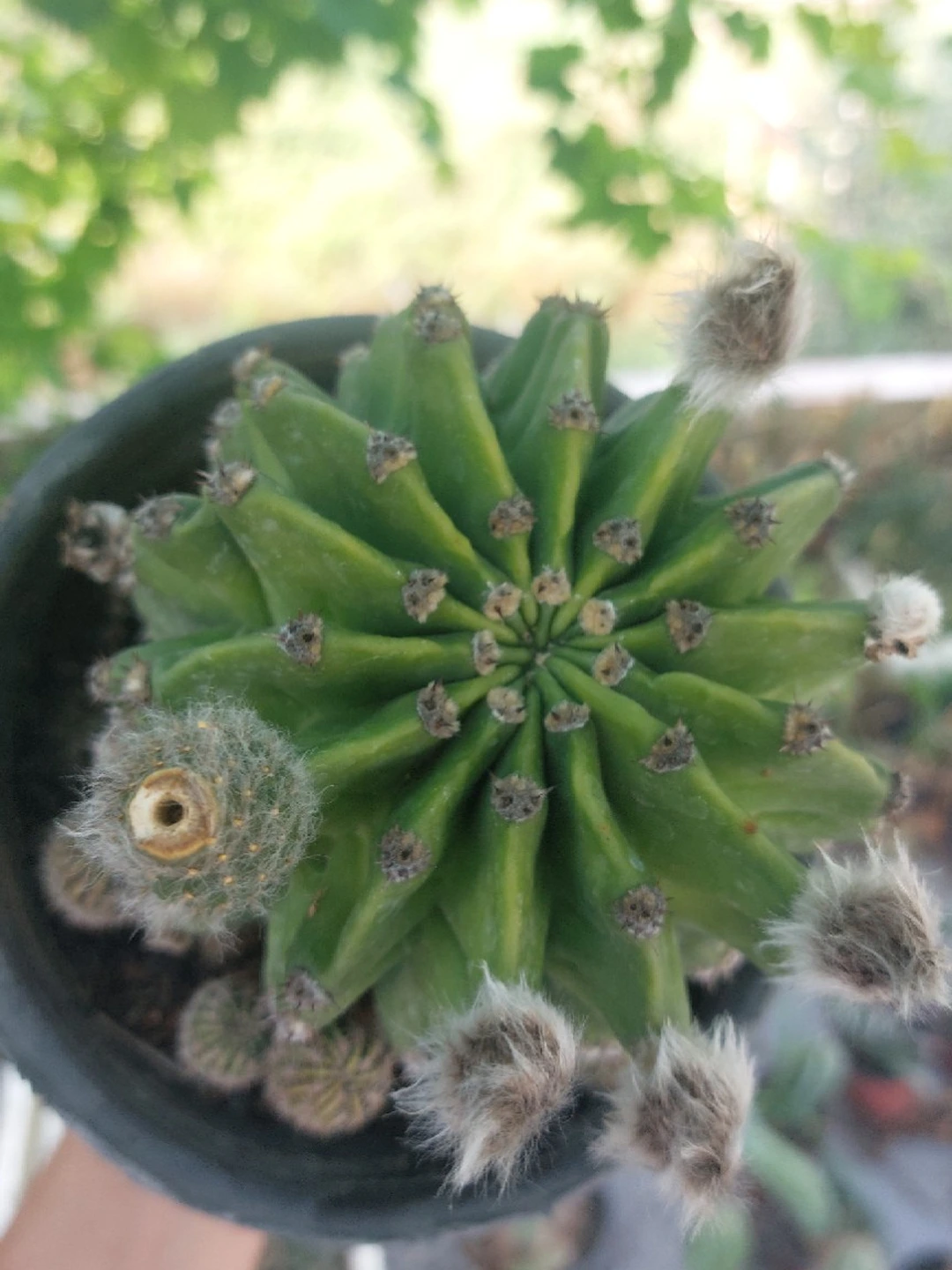
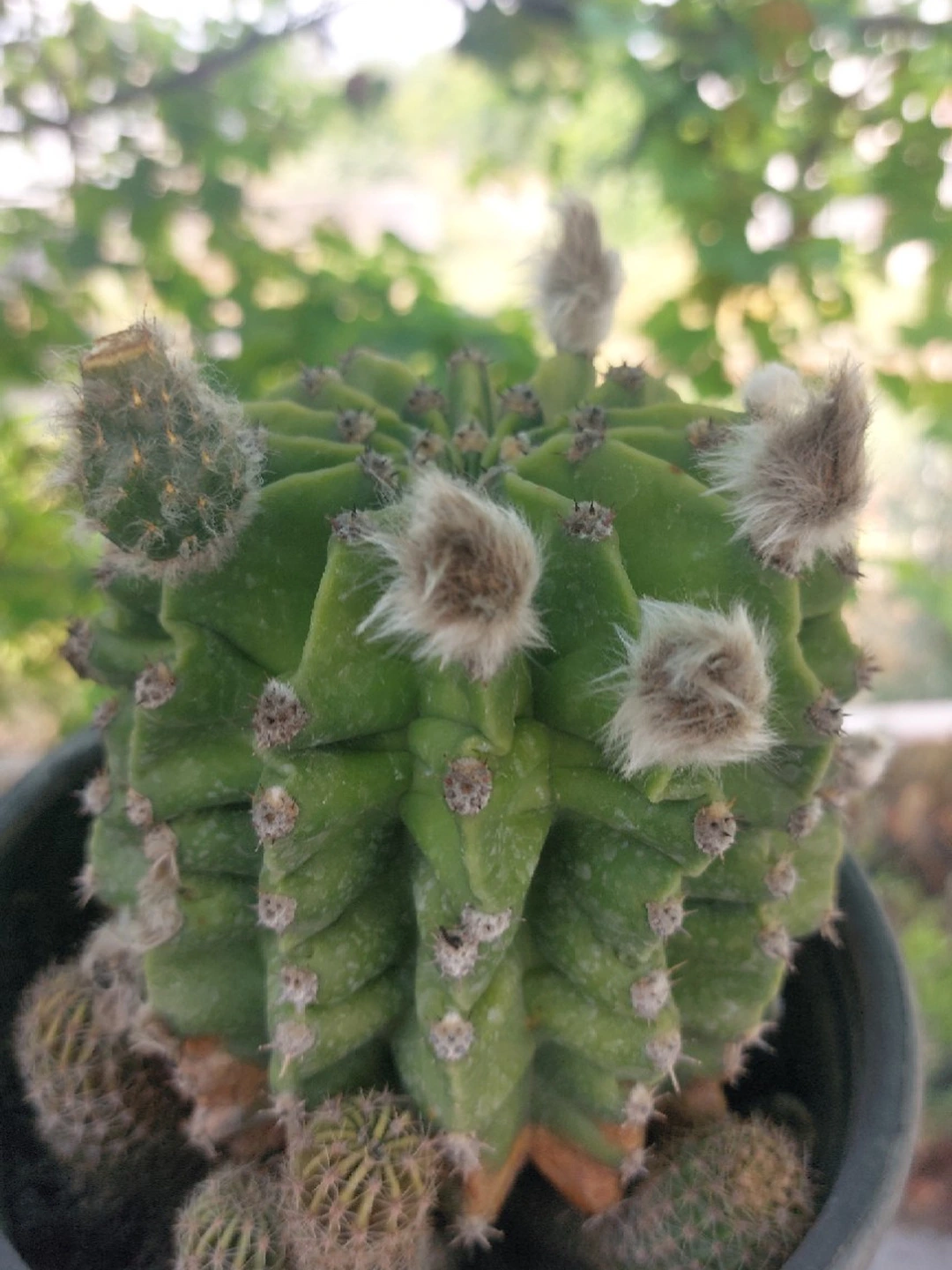
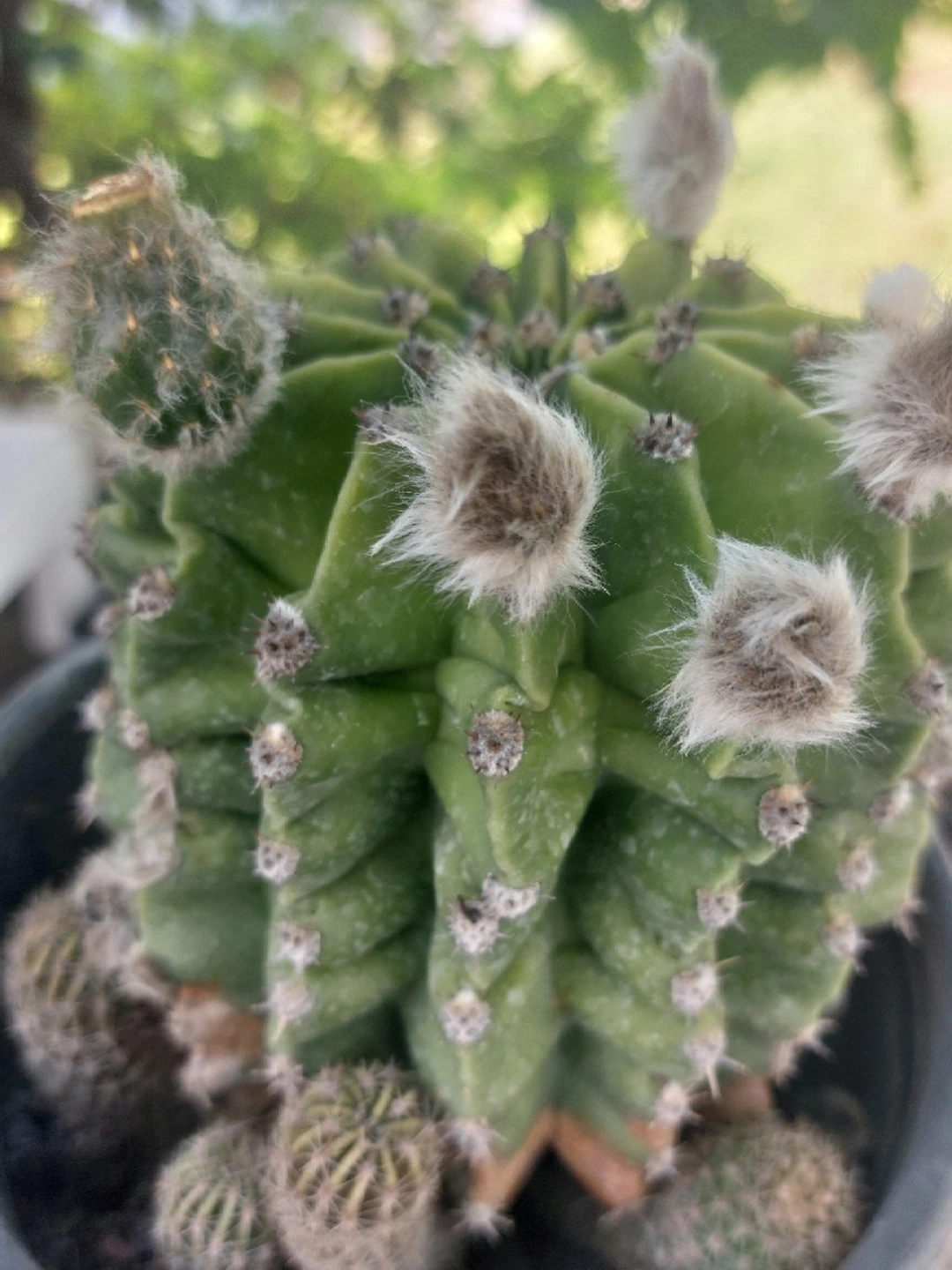
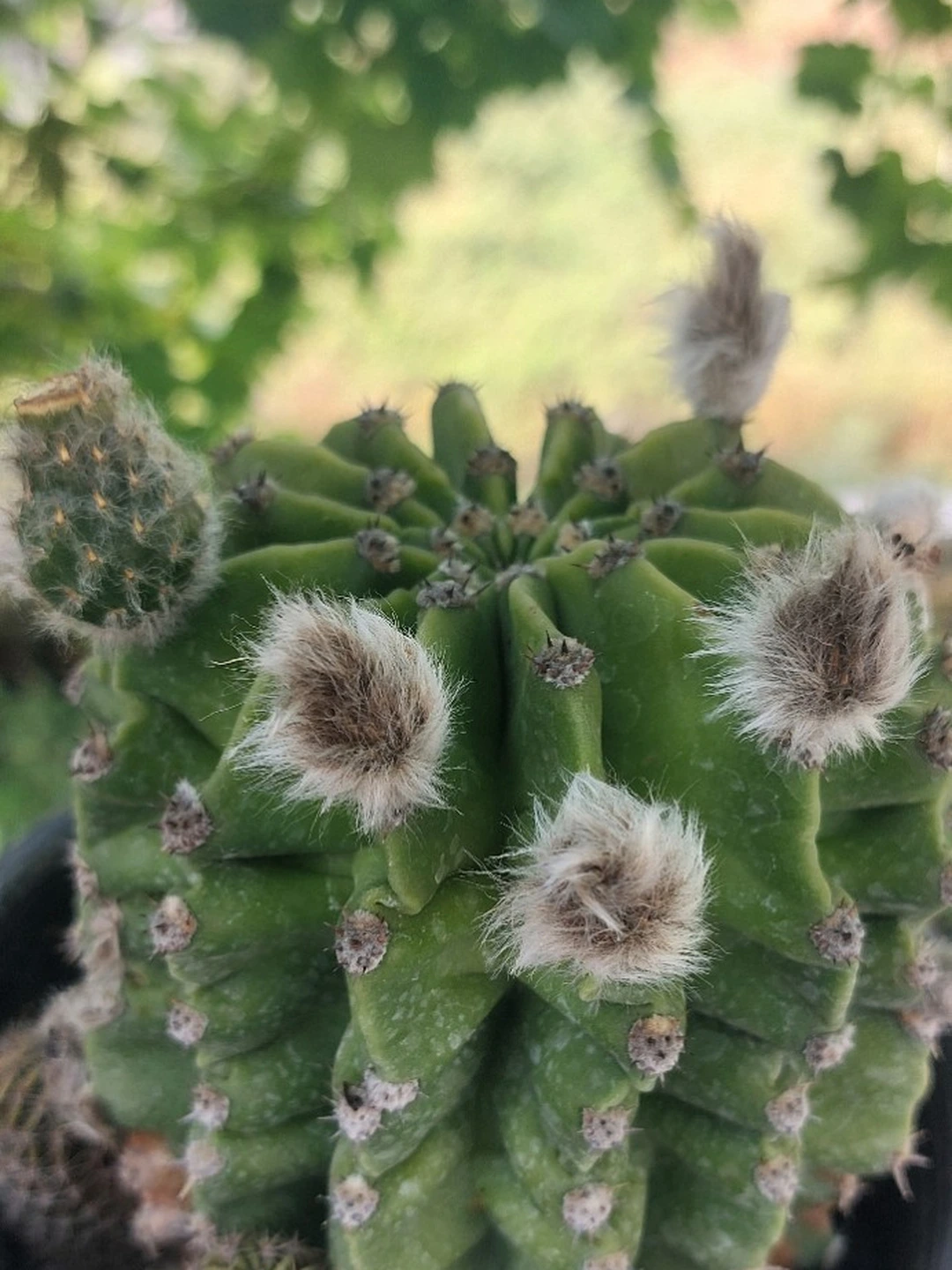
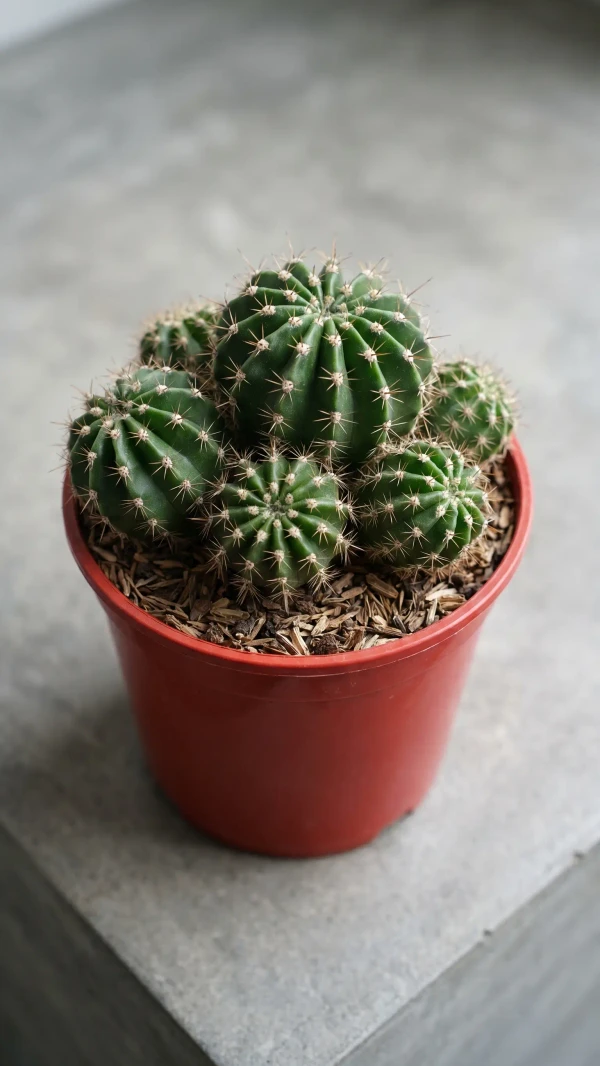
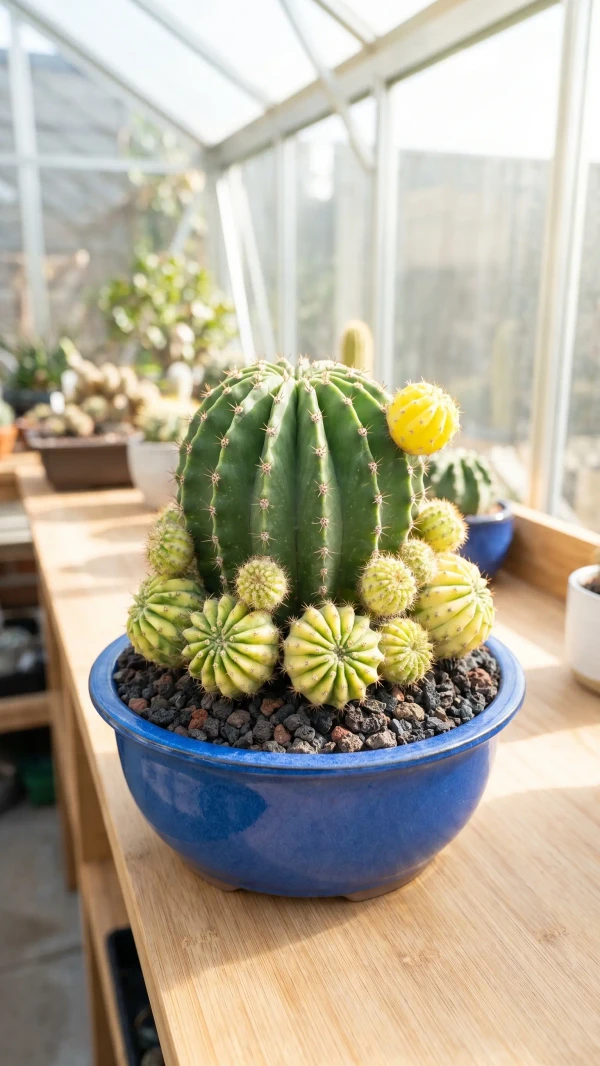
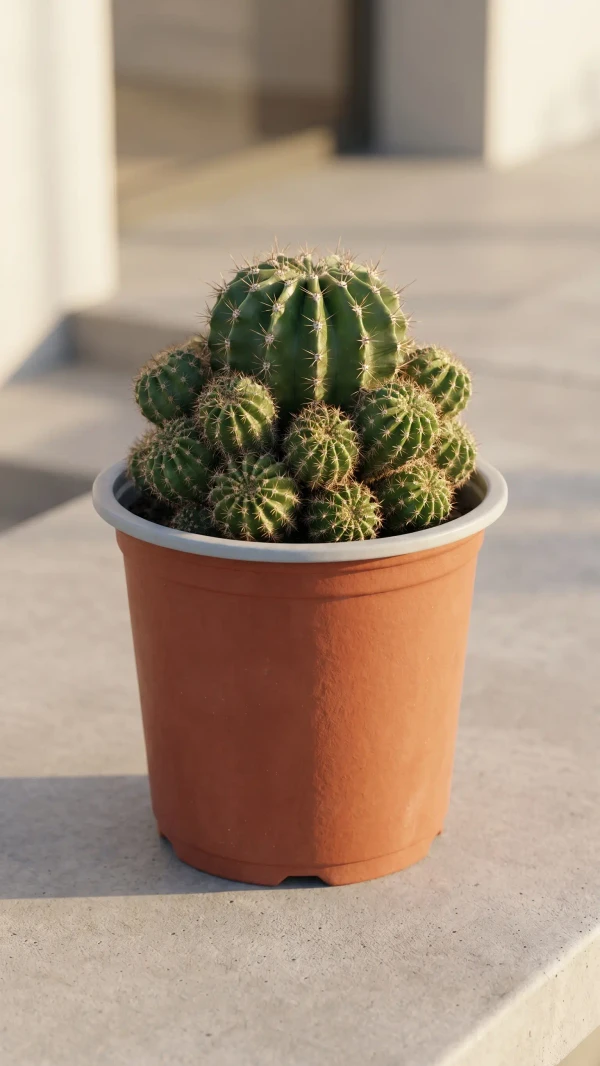
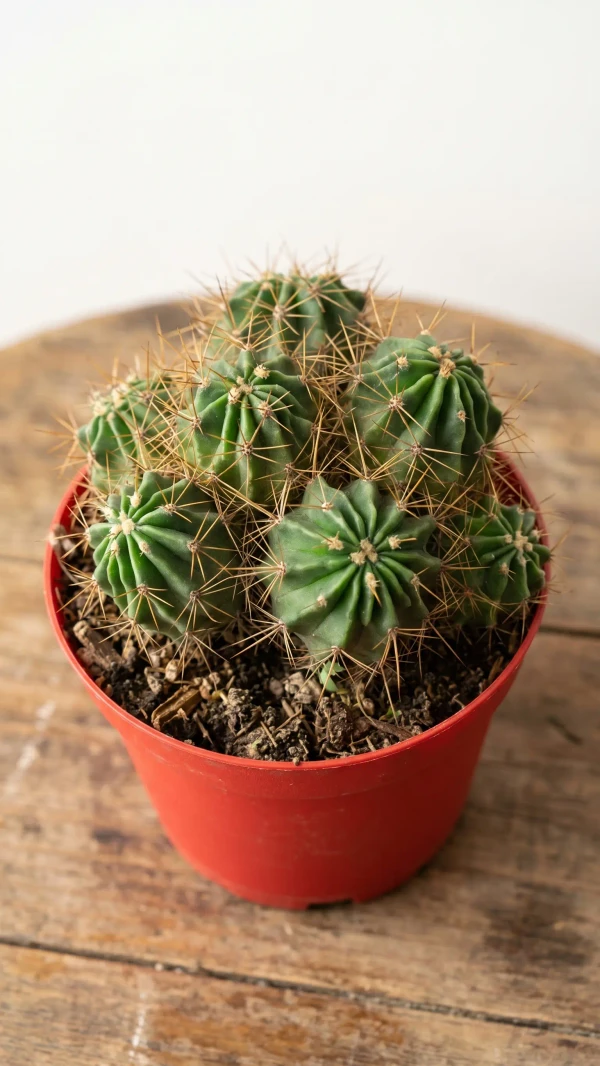
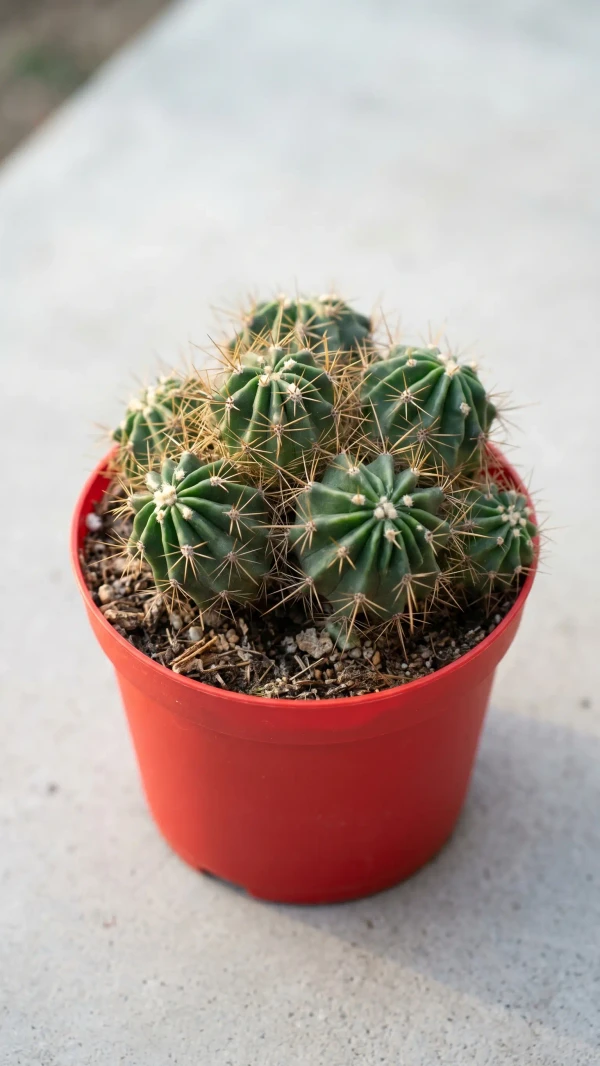
Echinopsis oxygona is a popular cactus species belonging to the Cactaceae family, native to South America. Commonly known as the "Easter Lily Cactus," this plant is recognized for its flamboyant, often night-blooming, large flowers 1. It typically has a spherical to slightly elongated stem structure, tending to form clusters by producing offsets as it matures. The stem is bright green, featuring prominent ribs adorned with areoles, each bearing short, stiff spines. These spines are generally not as sharp or long as those found on some other cactus species.

Flowering and Aesthetic Value

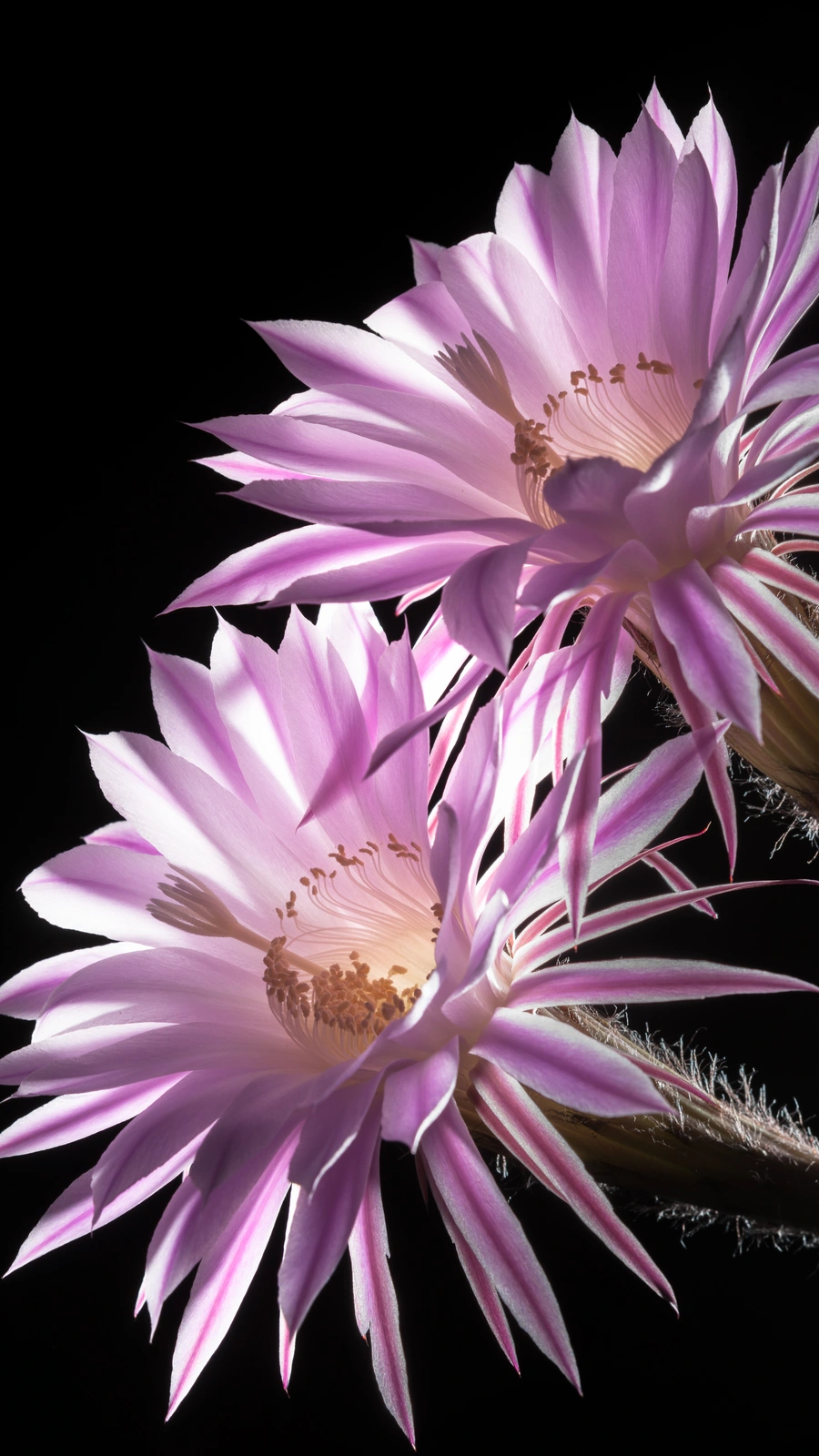
One of the most captivating features of Echinopsis oxygona is its large, trumpet-shaped flowers that bloom from late spring to early summer. These flowers can be white, pink, red, or purple, and often emit a strong, pleasant fragrance. Typically, the flowers open at dusk and last until midday the following day, adding an ephemeral beauty to the plant 2. This short-lived but striking floral display has made the species highly popular among cactus collectors and gardening enthusiasts.

Adaptation and Distribution

Thriving in arid and semi-arid regions in its natural habitat, Echinopsis oxygona can withstand prolonged drought thanks to its ability to store water in its stem. It prefers well-draining soil and abundant sunlight. Due to its relatively easy care requirements, it is widely cultivated as a potted plant both indoors and outdoors. In its native range, it can be found in open areas with sparse vegetation, rocky slopes, or under the partial shade of trees. Echinopsis oxygona offers significant aesthetic value in home and garden landscaping with its succulent characteristics.

References

  1. Plants of the World Online (POWO). (n.d.). Echinopsis oxygona. Retrieved from https://powo.science.kew.org/taxon/urn:lsid:ipni.org:names:138541-1
  2. IUCN Red List of Threatened Species. (n.d.). Echinopsis oxygona. Retrieved from https://www.iucnredlist.org/species/152331/541249
Light

Direct Sun

Loves direct sunlight, but might benefit from slight shading during intense midday summer sun. Indoors, the brightest window is ideal.

Watering

7-25 Days

Ensure the soil dries out completely between waterings. Drastically reduce watering in winter, or cease entirely if the plant is dormant.

Soil

Well-draining cactus and succulent mix

Use a specialized, very well-draining cactus and succulent soil mix. The pot must have drainage holes at the bottom.

Safety

Pet Friendly

Be cautious of its spiny nature. According to ASPCA, it is non-toxic to pets, but the spines can cause physical irritation.

Difficulty

Easy

Care is relatively easy, making it an excellent choice for beginners in cactus cultivation. It thrives effortlessly when its basic needs are met.

Native Habitat

South America

Echinopsis oxygona is naturally indigenous to the southern parts of South America. It is found in the semi-arid and arid regions of Argentina, Brazil, Paraguay, and Uruguay, typically growing in open, sunny areas or on rocky slopes.

Frequently Asked Questions

How much light does the Easter Lily Cactus need?
Echinopsis oxygona prefers bright, direct sunlight. A south-facing window indoors or a full-sun location outdoors is ideal. Insufficient light can hinder blooming.
How often should I water my cactus?
Watering frequency varies with the season. In summer, water thoroughly when the soil is completely dry (roughly once a week). In winter, reduce watering to once a month or less, allowing the plant to rest.
What type of soil should I use?
Good drainage is paramount for Echinopsis oxygona. Commercial cactus and succulent mixes or a homemade blend containing sand, perlite, and pumice are ideal. The pot must always have drainage holes.
Is this cactus safe for pets?
According to the ASPCA, Echinopsis species are non-toxic to pets. However, the plant's spines can pose a physical threat to curious pet noses or paws, so caution should be exercised.
When does the Easter Lily Cactus bloom?
It typically blooms in late spring to early summer, given proper care and sufficient light. The flowers generally open at night or dusk and remain vibrant until midday the following day.
Why isn't my cactus blooming?
The most common reasons for lack of bloom include insufficient light, an improper watering regimen (especially the absence of a winter dormancy period), or nutrient deficiency. Providing a cool, dry dormancy period in winter encourages flowering.
How large does Echinopsis oxygona grow?
A single stem can reach about 15-30 cm (6-12 inches) in diameter. However, over time, it produces offsets, forming large clusters that can cover a much wider area.
What does it mean if my cactus is turning yellow or soft?
Yellowing is typically a sign of overwatering and root rot. A soft and mushy texture also indicates the same problem. In this case, you should stop watering and inspect the plant.
Is this cactus easy to propagate?
Yes, Echinopsis oxygona can be easily propagated by its offsets. You can gently detach these pups from the mother plant, let them dry for a few days, and then plant them in well-draining soil to grow new plants.
What temperature range does it need for optimal growth?
This cactus grows best in temperatures between 18-24°C (65-75°F). Cooler temperatures in winter, around 5-10°C (40-50°F), provide a beneficial dormancy period essential for its flowering cycle.