
Light
Bright Indirect Light
Requires plenty of bright indirect light. Avoid intense, scorching afternoon sun in mid-summer.
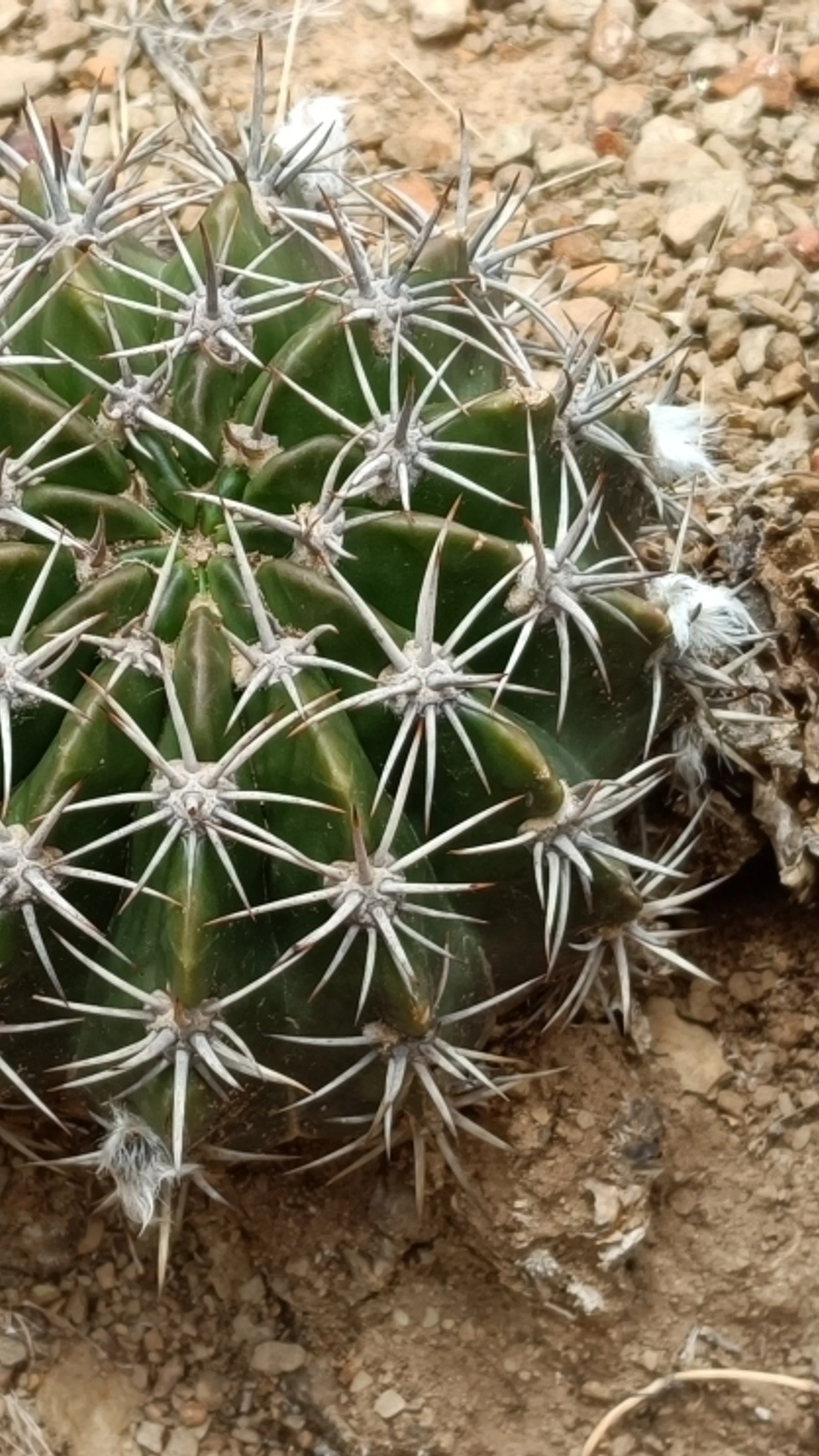 Reference image
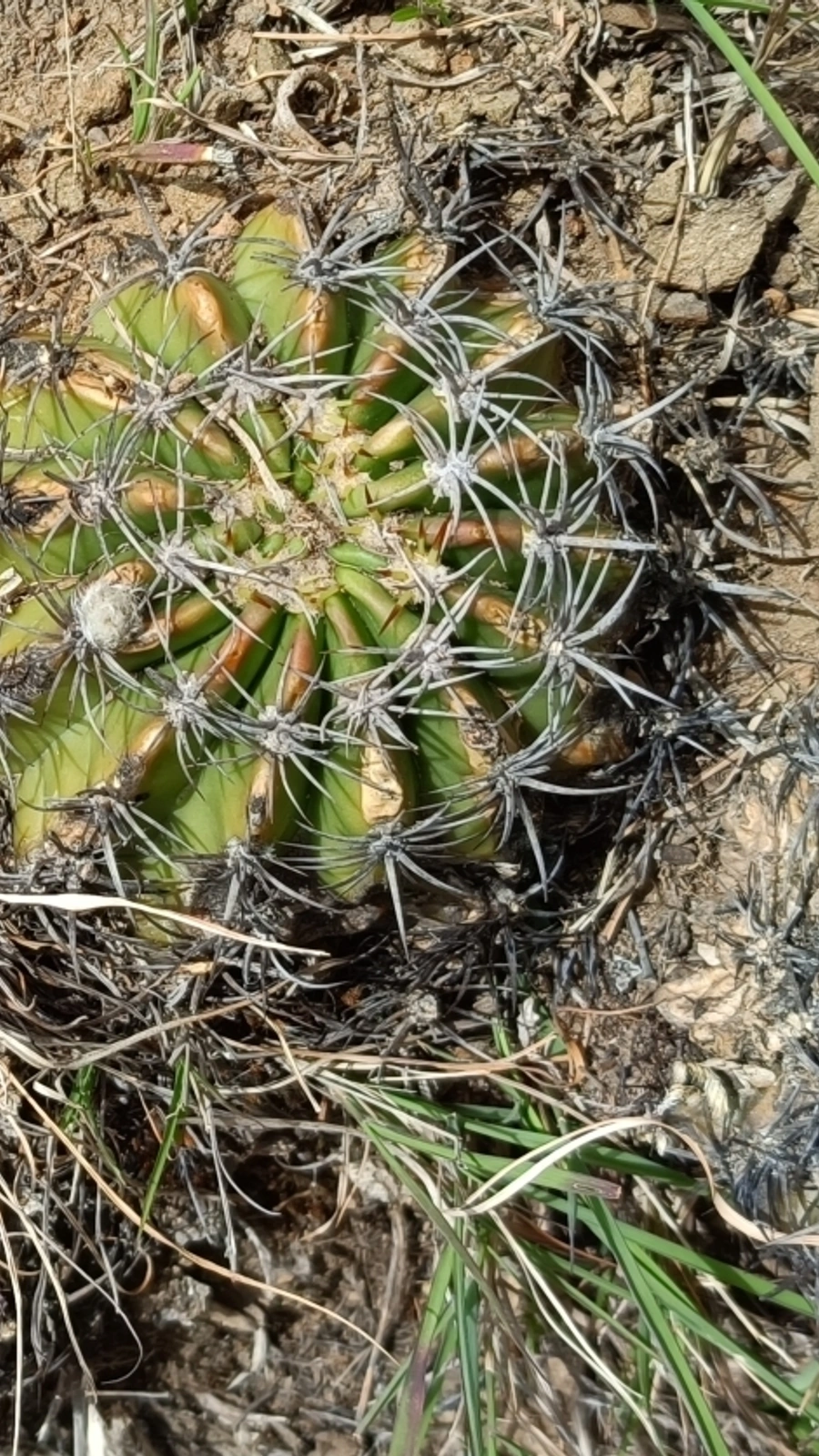 Reference image
Echinopsis pamparuizii is a robust, globose to semi-columnar cactus species native to the high-altitude arid valleys of Bolivia and Peru. Renowned for its large, funnel-shaped nocturnal flowers and structural elegance, it is a highly sought-after specimen among succulent collectors 1.
Belonging to the diverse Echinopsis genus, this species has historically shared classification overlaps with the genus Lobivia. It is formally recognized as Echinopsis pamparuizii, with its specific epithet honoring local botanical contributions in South America 2.
This species is indigenous to the Andean regions of Peru and Bolivia. It typically thrives at elevations ranging between 1500 and 2500 meters above sea level, growing on rocky, well-draining slopes amidst dry shrublands and desert biomes 1.
Echinopsis pamparuizii exhibits a succulent subshrub habit, forming small clumps over time through basal branching. The stems are cylindrical, ribbed, and dull green. Its spectacular flowers, ranging from white to pastel pink, open at dusk and emit a subtle fragrance 2.
In cultivation, it requires minimal intervention. It thrives in bright, filtered sunlight with excellent ventilation. Watering should follow the 'soak and dry' method, allowing the substrate to dry completely between cycles.
Overwatering and poorly drained soils are the primary causes of root rot. Keeping the cactus in a warm, dark room during winter prevents the essential dormancy period required for spring flowering.
Requires plenty of bright indirect light. Avoid intense, scorching afternoon sun in mid-summer.
Water thoroughly only when the soil has completely dried out. Keep dry in winter.
Use a specialized cactus mix enriched with pumice, perlite, and coarse sand for rapid drainage.
Non-toxic to cats and dogs, making it a safe choice for pet owners, though handle with care due to spines.
Highly resilient to drought and minor neglect, making it perfect for beginners.
Native to the Andean dry shrublands and rocky slopes of Bolivia and Peru at elevated altitudes.
