
Light
Bright Indirect Light
Requires bright, indirect sunlight or filtered sun for optimal growth.
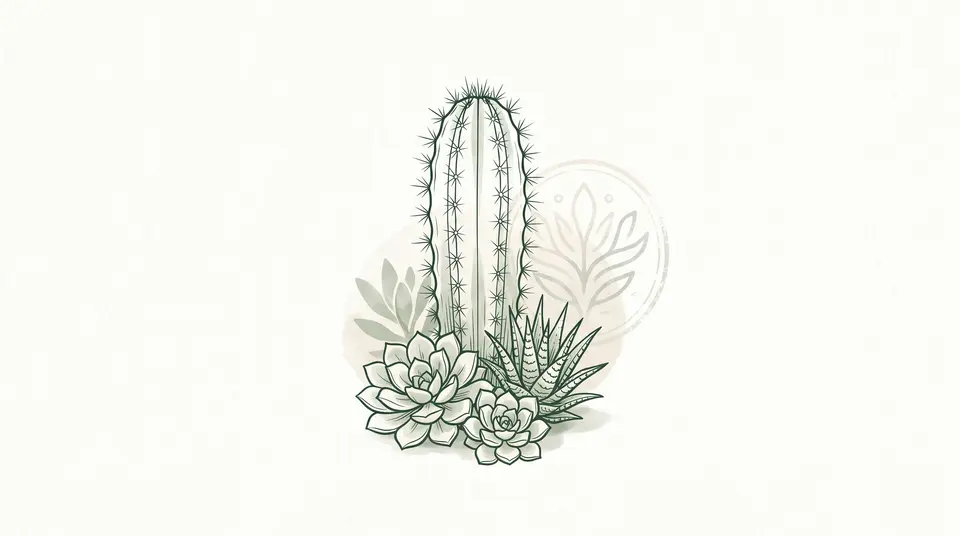 Reference image
Perez's Echinopsis
Echinopsis pereziensis is a succulent subshrub belonging to the Cactaceae family, native to the arid valleys of Bolivia 1. Known for its resilient nature and beautiful flowering displays, it is a highly valued species among cactus enthusiasts and casual growers alike.
Classified under the diverse genus Echinopsis within the cactus family, this species shares characteristics with other South American columnar and globular cacti 2. The specific epithet 'pereziensis' honors local botanical contributions or specific geographical locations associated with its discovery.
This species is native to Western South America, specifically endemic to Bolivia. It thrives in dry shrublands, rocky slopes, and desert biomes where rainfall is scarce and soils are extremely well-draining.
Echinopsis pereziensis grows as a small succulent subshrub, often branching from the base to form clusters. The stems are ribbed, with distinct areoles that bear fine spines. During the active growing season, it produces large, showy, funnel-shaped flowers near the stem tips.
It requires plenty of bright, filtered sunlight and excellent air circulation. Water thoroughly in summer only when the potting medium has dried completely. In winter, maintain a cool, dry rest period to encourage healthy growth and budding in the spring.
Overwatering and using heavy, clay-rich soil are the main causes of root rot. Keeping the plant in warm, dark rooms during winter prevents the essential dormancy period required for flower production.
Requires bright, indirect sunlight or filtered sun for optimal growth.
Water only when the substrate is fully dry; keep dry in winter.
Highly porous, sandy or pumice-based specialized cactus soil.
Non-toxic to pets, but handle with care due to small spines.
Very easy to care for, making it ideal for novice cactus growers.
Native to the rocky mountain slopes and arid scrublands of Bolivia, adapting perfectly to dry and sunny conditions.
