
Light
Full Sun
Requires full sun to keep its dense, formidable spine structure; low light will cause weak growth.
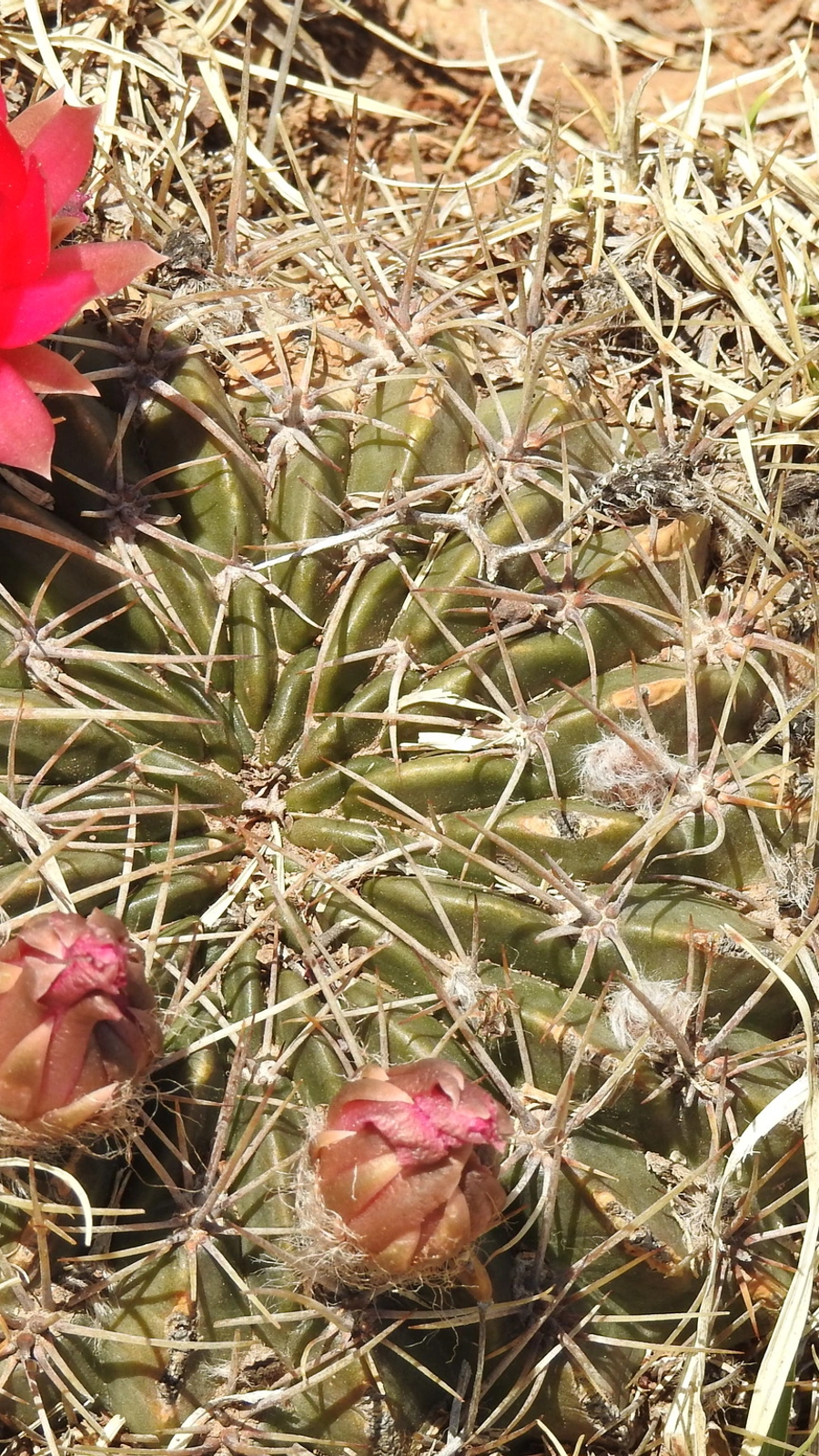 Reference image
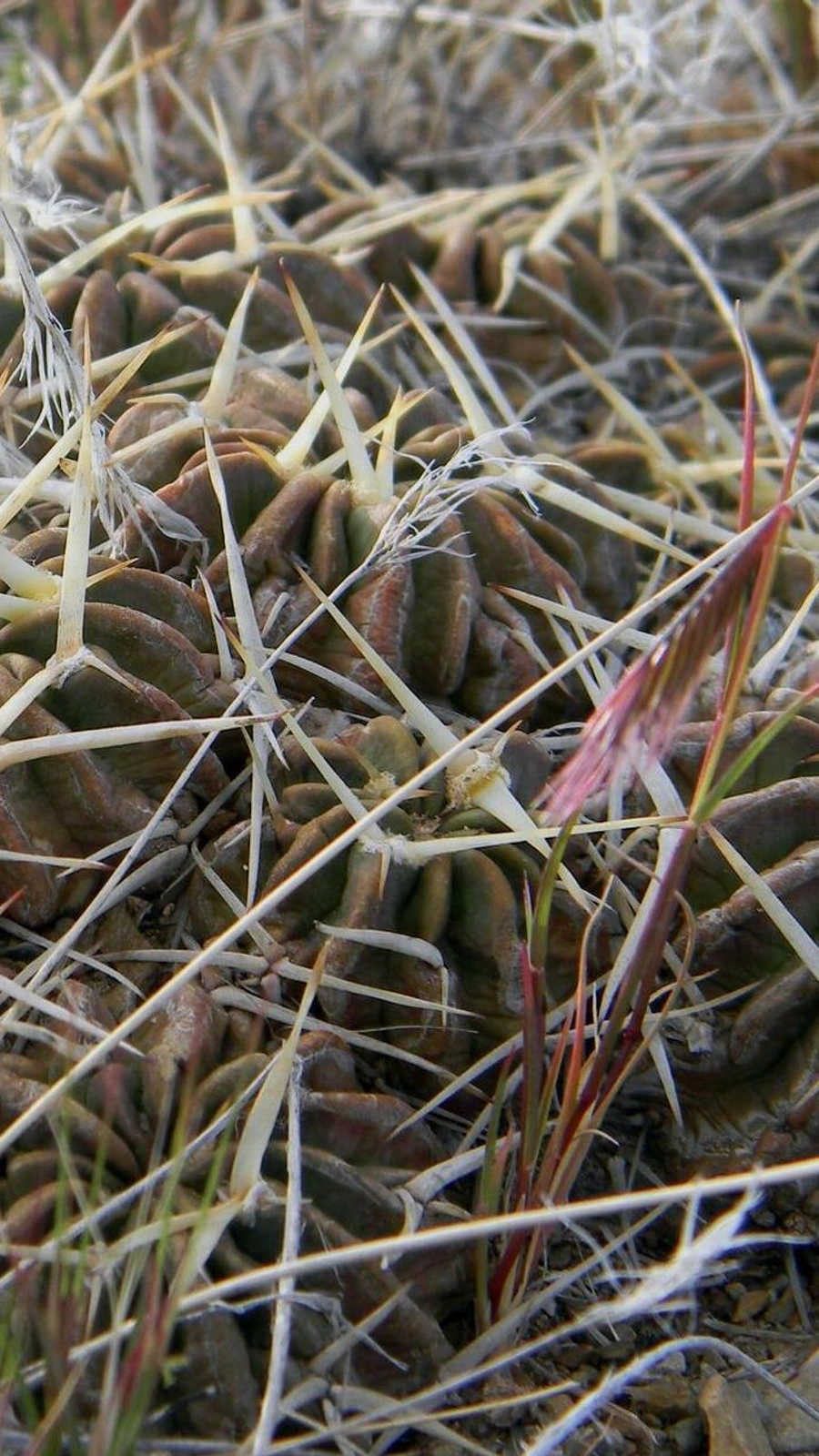 Reference image
Dagger-Spined Cactus
Echinopsis pugionacantha is a highly resilient cactus species native to the high-altitude Andes, famed for its formidable, dagger-like spines and large, vibrantly colored yellow-to-orange flowers. It exhibits a geophytic growth habit, often shrinking flush with the soil during dry periods 1.
Belonging to the Cactaceae family, the species was historically classified under the genus Lobivia. The specific epithet pugionacantha is derived from the Latin 'pugio' (dagger) and Greek 'akantha' (spine), referencing its extremely sharp, robust radial and central spines 1.
This species is native to high montane tropical biomes of Southern Bolivia (Potosí, Tarija) and Northwestern Argentina (Jujuy, Salta) 2. It thrives at elevations between 3,000 and 4,000 meters above sea level, growing among rocks and sparse grasses where ultraviolet radiation is high and temperatures fluctuate wildly.
The stem is solitary, globose to flattened-globose, grey-green, with distinct ribs. The areoles bear fierce, curved, yellowish-brown to grey spines resembling daggers. In late spring and summer, it produces large, funnel-shaped flowers, varying from bright yellow to intense orange 1.
It requires maximum sunlight and a heavily mineral, fast-draining substrate. Watering should follow the 'soak and dry' method during the active growth period. In winter, the plant must be kept completely dry and cool to simulate its natural dormancy 2.
Overwatering and using organic-heavy soil are the most frequent causes of root rot. Keeping the cactus warm and watered during winter prevents it from entering dormancy, stopping future flower production.
Requires full sun to keep its dense, formidable spine structure; low light will cause weak growth.
Water thoroughly in spring and summer only after the soil is bone dry. Keep fully dry in winter.
Use a porous mineral mix consisting of over 60% pumice, lava rock, and coarse sand with little peat.
Non-toxic, but the extremely sharp, dagger-like spines can cause painful punctures. Handle with thick gloves.
Moderate care level due to strict requirements for dry winter dormancy and high-intensity light.
Native to the high-elevation rocky slopes and montane grasslands of the Andes in Bolivia and Northwest Argentina, adapting well to intense sun and cold nights.
