
Light
Bright Indirect Light
Requires at least 4-6 hours of bright filtered light or direct morning sun daily.
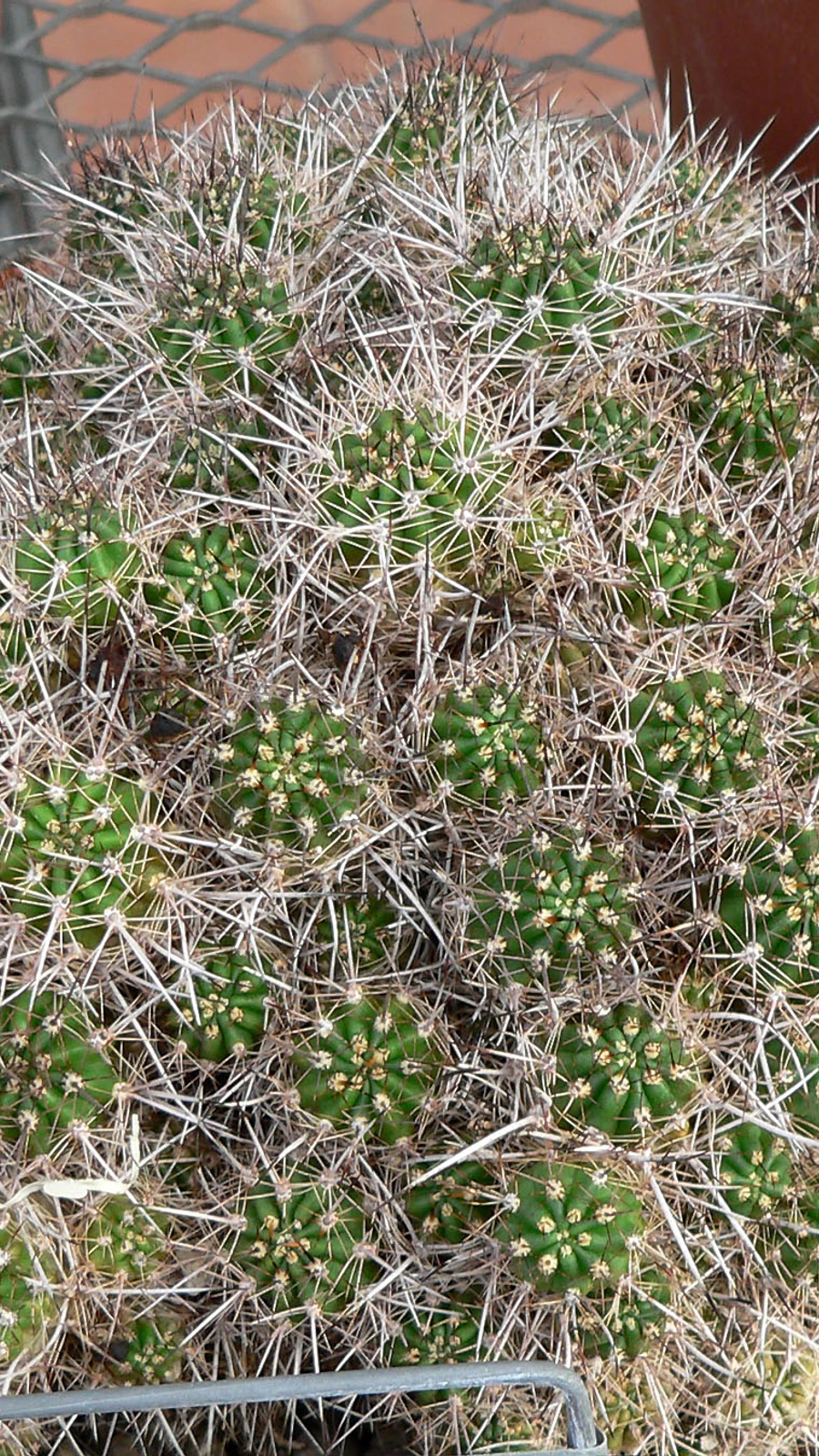 Reference image
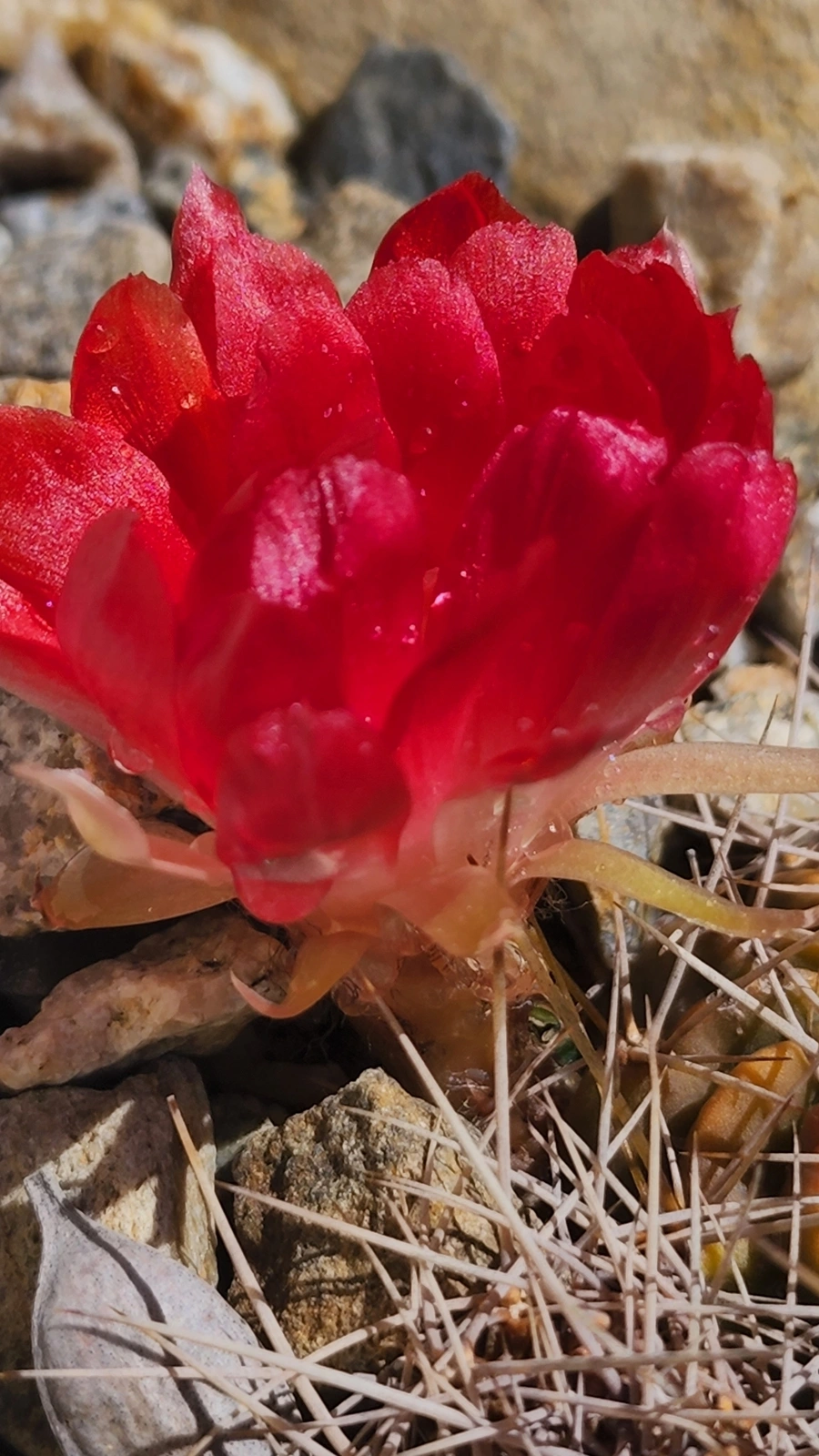 Reference image
Rausch's Echinopsis
Echinopsis rauschii (syn. Lobivia rauschii) is an attractive, highly clustering cactus species from the family Cactaceae 1. It is well-regarded among succulent enthusiasts for its compact growth habit and showy, colorful blossoms.
Belonging to the tribe Trichocereeae within the Cactaceae family, this species is classified under the diverse genus Echinopsis 2. In older classifications and horticultural trade, it is frequently referred to under its synonym Lobivia rauschii, highlighting its affinity with the high-altitude Andean cacti group.
This species is native to the arid and mountainous regions of Bolivia in South America 1. It thrives in desert or dry shrubland biomes, often growing in rocky crevices at high elevations where it is exposed to intense sunlight and dramatic temperature fluctuations.
Echinopsis rauschii is a succulent subshrub that forms dense clusters of small, globose to short cylindrical stems. The epidermis is dark green to dull greyish-green. The ribs are well-defined and carry small areoles bearing short, stiff radial spines. When in bloom, it produces disproportionately large, funnel-shaped flowers in vivid shades of pink, magenta, or red 2.
In cultivation, it is a hardy plant that thrives on neglect. It requires bright, filtered sunlight and excellent airflow. Watering should follow the 'soak and dry' method, allowing the substrate to dry completely between waterings. During winter, a dry, cool rest period is essential to induce bud formation 1.
The most prevalent issue is root rot caused by waterlogged soil and poor container drainage. Placing the cactus in a warm, dark room during winter prevents dormancy and suppresses spring flowering.
Requires at least 4-6 hours of bright filtered light or direct morning sun daily.
Water thoroughly only when dry; keep virtually bone-dry during winter dormancy.
Use a mineral-based substrate mixed with pumice, grit, and coarse sand.
Harmless non-toxic sap, but features sharp spines; handle with care.
An easy-care cactus ideal for beginners and sunny windowsill collections.
Native to the high-elevation rocky slopes of Bolivia. It grows in severe, arid mountain conditions, clinging to rocky fissures with highly mineralized and well-aerated soil structure.
