
Light
Bright Indirect Light
Requires bright indirect light or filtered sun; avoid harsh midday direct summer sun.
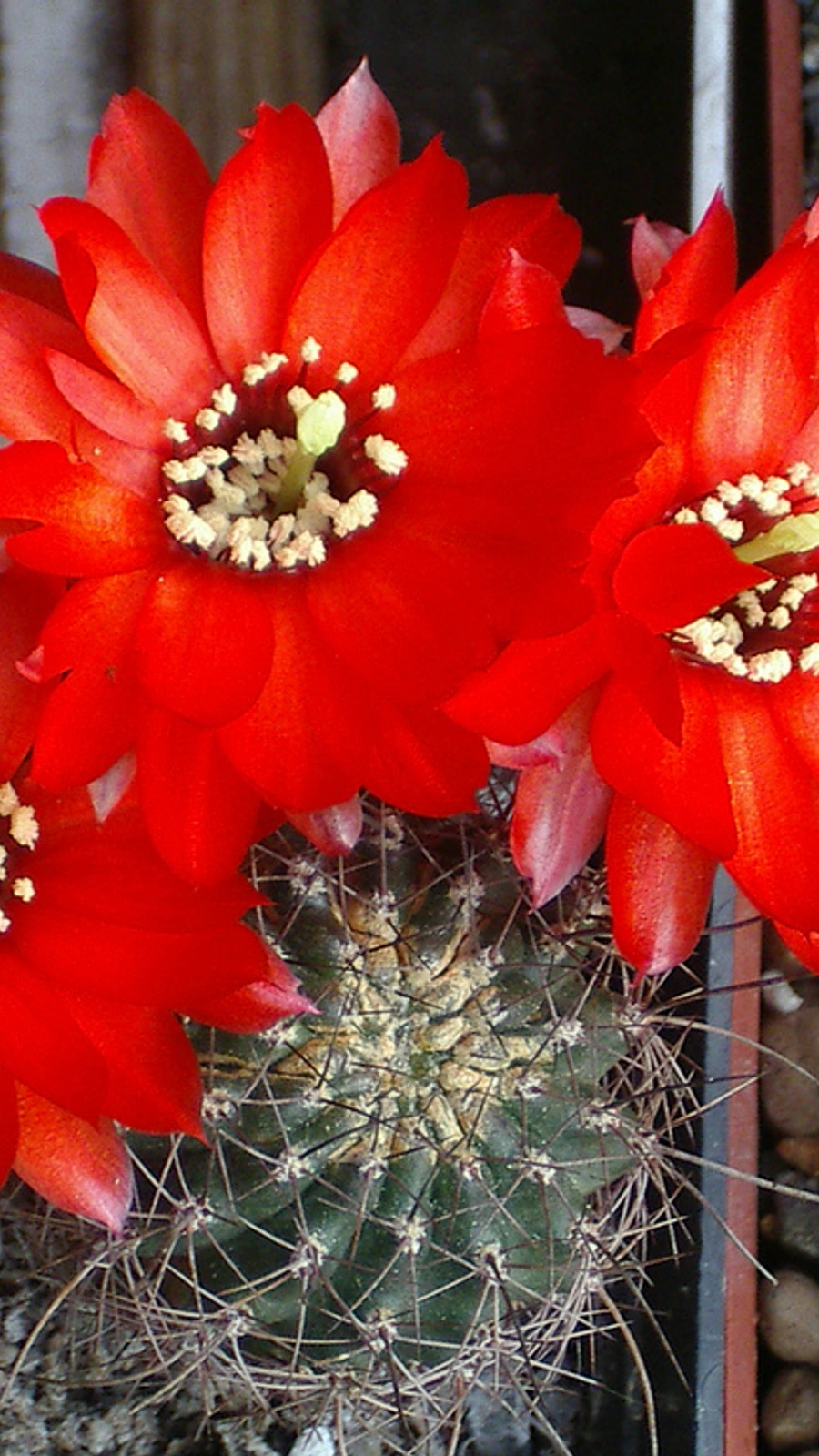 Reference image
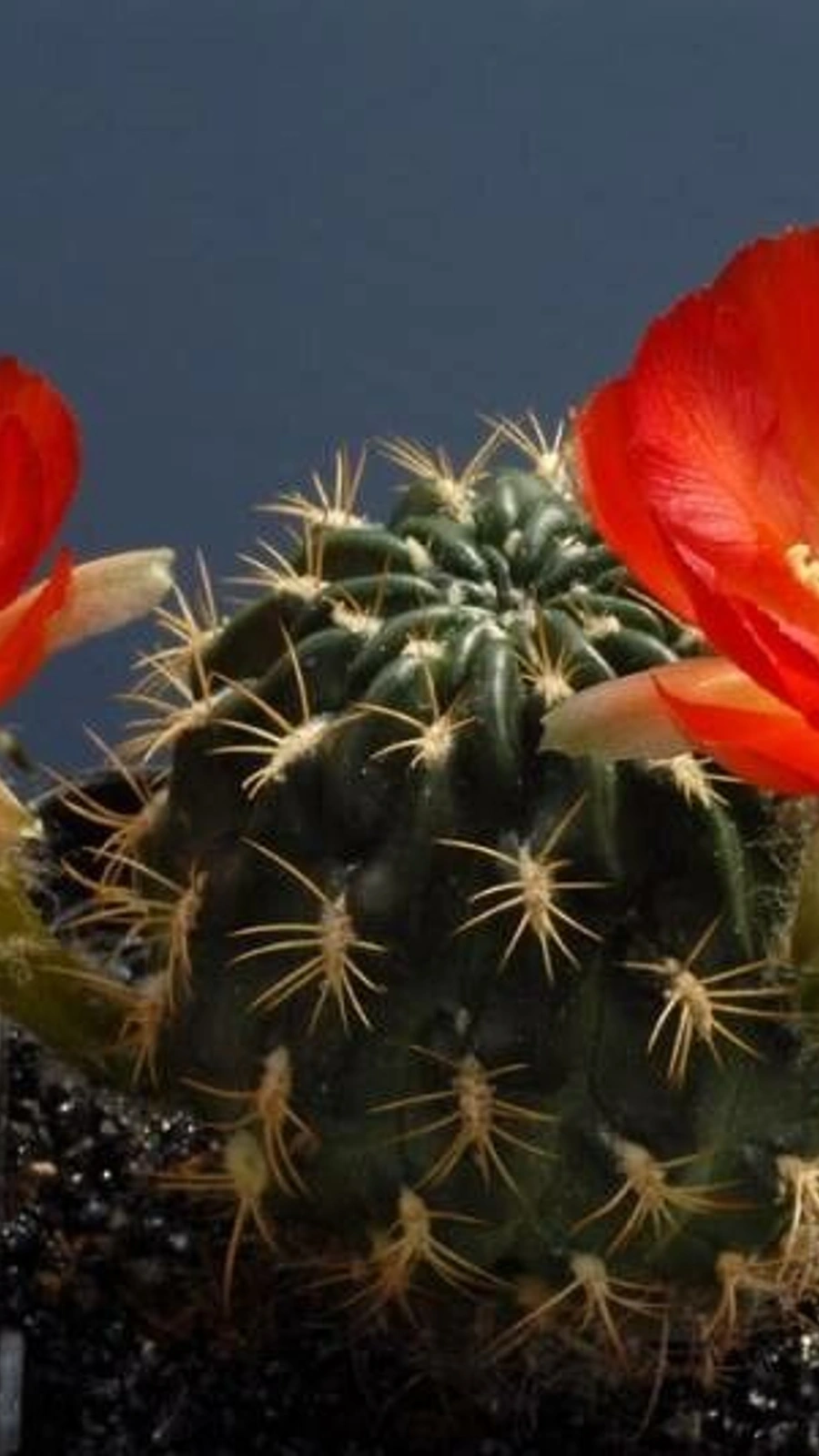 Reference image
Salta Cactus
Echinopsis saltensis is a small, globose to cylindrical cactus species belonging to the family Cactaceae 1. Known for its attractive, funnel-shaped red flowers and resilient nature, it is highly valued by succulent enthusiasts and collectors worldwide.
The species name 'saltensis' refers to the Salta province in northwestern Argentina where it was discovered. It is also known by synonyms such as Lobivia saltensis and Salpingolobivia saltensis. Its taxonomic placement has historically shifted between different genera within the Trichocereeae tribe 2.
This cactus is native to northwestern Argentina, specifically in provinces like Salta, Tucumán, and Catamarca. It thrives at elevations between 1,000 and 3,000 meters above sea level, typically inhabiting rocky slopes, dry shrublands, and high-altitude desert ecosystems 1.
The stems are dark green, often clustering from the base, with distinct vertical ribs. The areoles carry sharp, yellowish-brown to grey spines. During the summer, it produces vibrant red to orange-red flowers near the crown, creating a stunning contrast with the dark epidermis.
It prefers bright, filtered sun and exceptionally well-draining soil. Water thoroughly during the growing season only when the soil is completely dry. In winter, keep it cool and bone-dry to prevent rot and encourage spring flowering 2.
Overwatering, using heavy clay soils that retain moisture, and insufficient light are the primary causes of root rot and etiolation (stretching).
Requires bright indirect light or filtered sun; avoid harsh midday direct summer sun.
Water thoroughly when the substrate is fully dry in summer. Keep dry in winter.
Requires highly porous gritty mix rich in pumice, coarse sand, and minimal peat.
Features sharp, rigid spines. Keep out of reach of children and pets.
Very easy to maintain as long as you do not overwater or let it sit in soggy soil.
Naturally distributed across the high-altitude rocky slopes and arid Andean foothills of northwestern Argentina, experiencing cool winters and hot, dry summers.
