
Light
Bright Indirect Light
Requires at least 4-6 hours of direct sun or very bright indirect light daily.
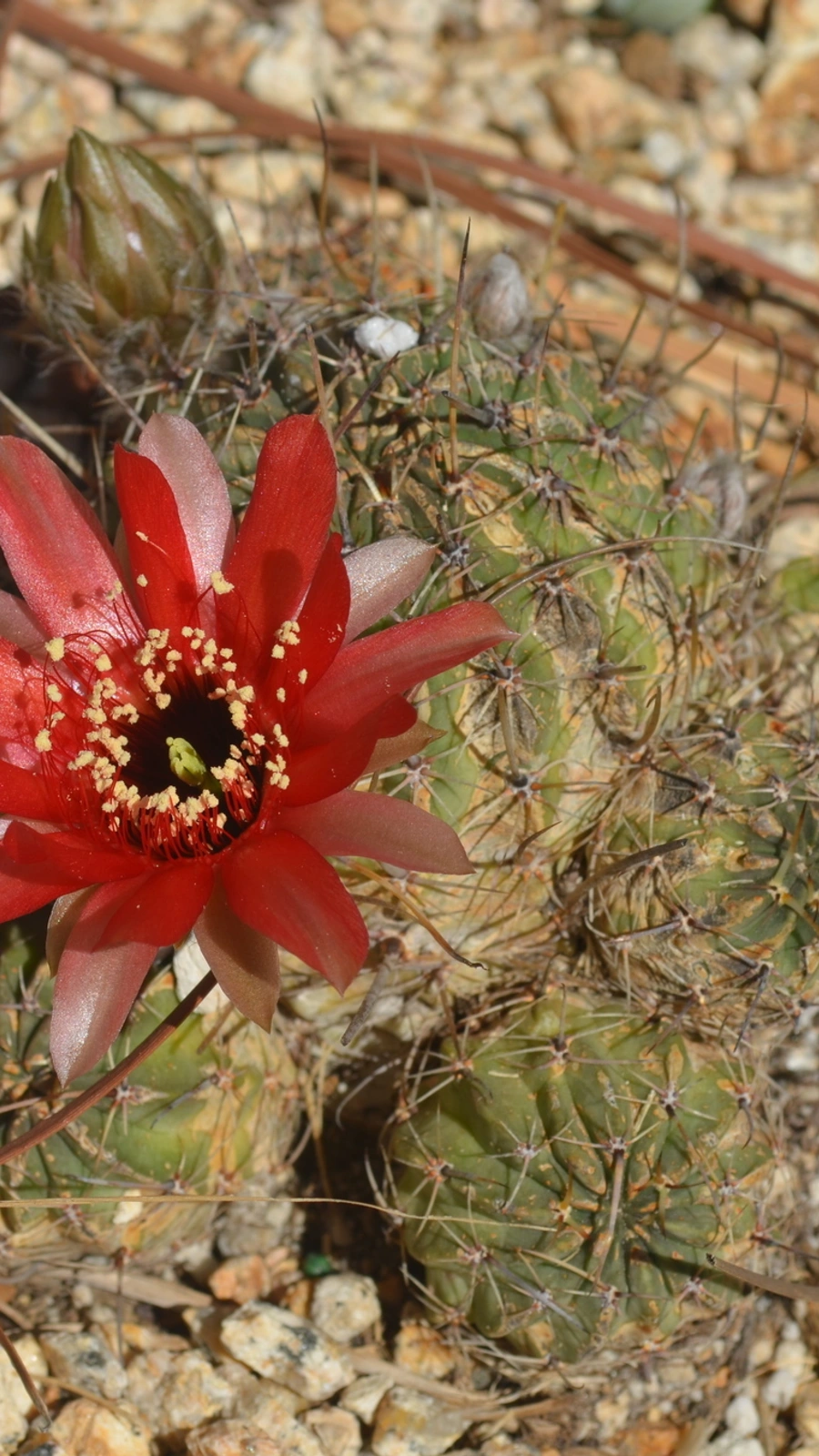 Reference image
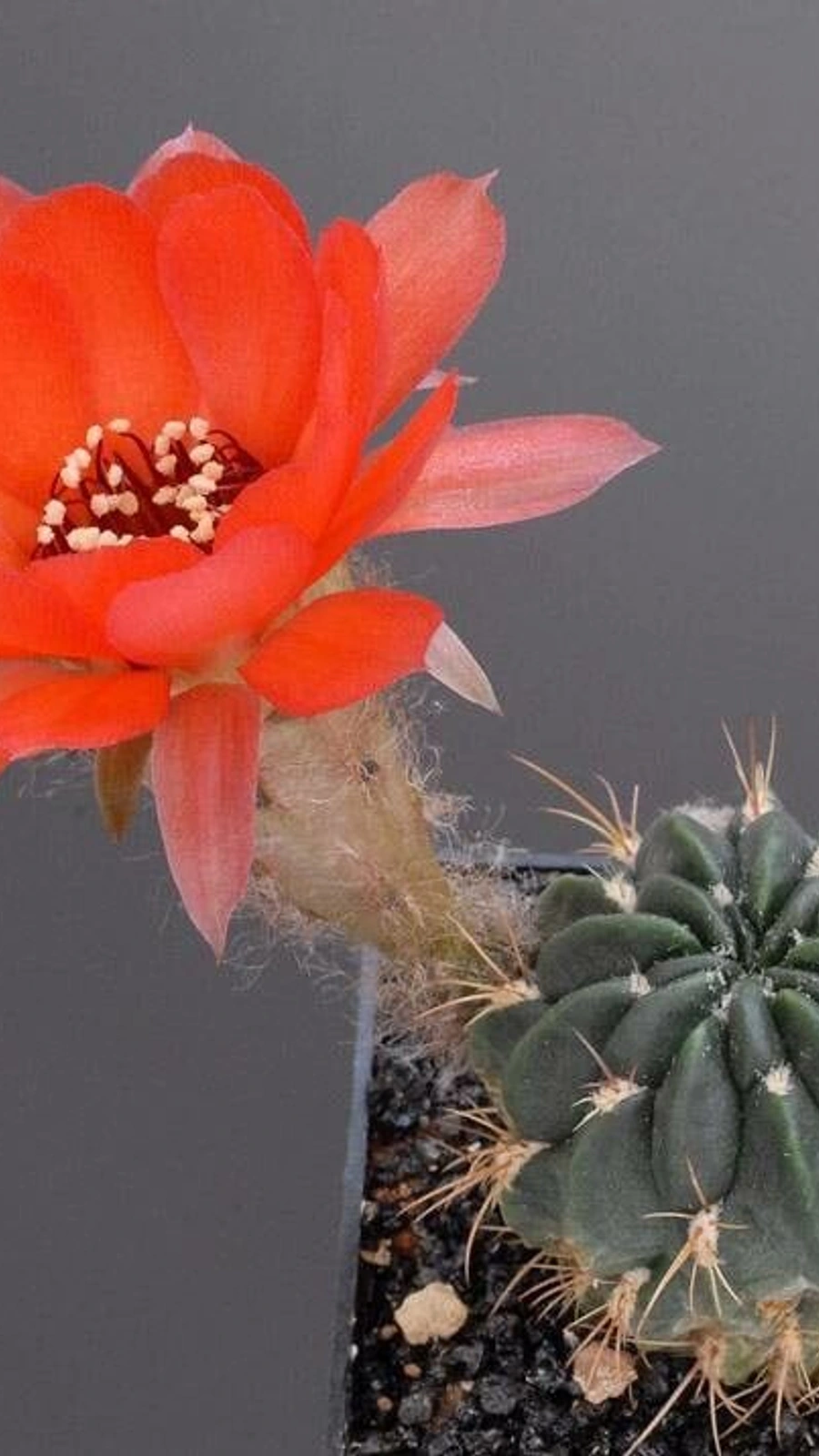 Reference image
Schreiter's Echinopsis
Echinopsis schreiteri is a small, globose to short-cylindrical, clump-forming succulent subshrub in the Cactaceae (Cactus) family. Highly valued by collectors for its compact growth and vibrant funnel-shaped blossoms, it is a resilient desert specialist well-adapted to rocky mountain terrains 1.
Scientifically described within the genus Echinopsis, it is sometimes categorized under Lobivia by some taxonomists who split the broad genus. The species epithet schreiteri honors the prominent Argentine naturalist and collector Rodolfo Schreiter, who contributed immensely to the study of the region's flora 2.
This species is native to northwestern Argentina, spanning provinces such as Tucumán, Salta, Catamarca, and Jujuy 1. It thrives at high elevations, ranging from 1,500 to 3,500 meters above sea level, where it grows nestled between rocks, dry scrublands, and gravelly slopes under intense solar radiation.
The stems are spherical, dull green, and develop multiple offsets over time to form dense cushions. Sharp, radial and central spines emerge from prominent aeroles along the defined ribs, offering protection against herbivores and solar heat. During late spring to summer, it produces stunning, wide-open red to deep orange flowers that rise from the sides of the stem 2.
In cultivation, it requires a very porous, mineral-rich substrate with excellent drainage. It demands bright, filtered sunlight to direct sun. Water thoroughly during the active spring and summer growth phases, allowing the soil to dry out completely. A dry, cool winter rest is crucial to trigger the spring flower buds 2.
Overwatering and poorly draining soil are the main causes of root rot. Keeping the cactus in a warm room during winter without a cool dormant period often prevents the plant from blooming.
Requires at least 4-6 hours of direct sun or very bright indirect light daily.
Water only when the substrate is completely dry. Keep dry in winter.
Requires a highly porous, mineral-based cactus mix with plenty of pumice.
Sharp spines can cause injury. Keep away from curious pets and children.
Very easy; highly drought-tolerant and forgiving of occasional neglect.
Native to high-altitude rocky slopes and dry mountain shrublands of northwestern Argentina, including provinces like Tucumán and Catamarca.
