
Light
Bright Indirect Light
Requires at least 4-6 hours of direct sunlight or very bright indirect light daily.
 Reference image
 Reference image
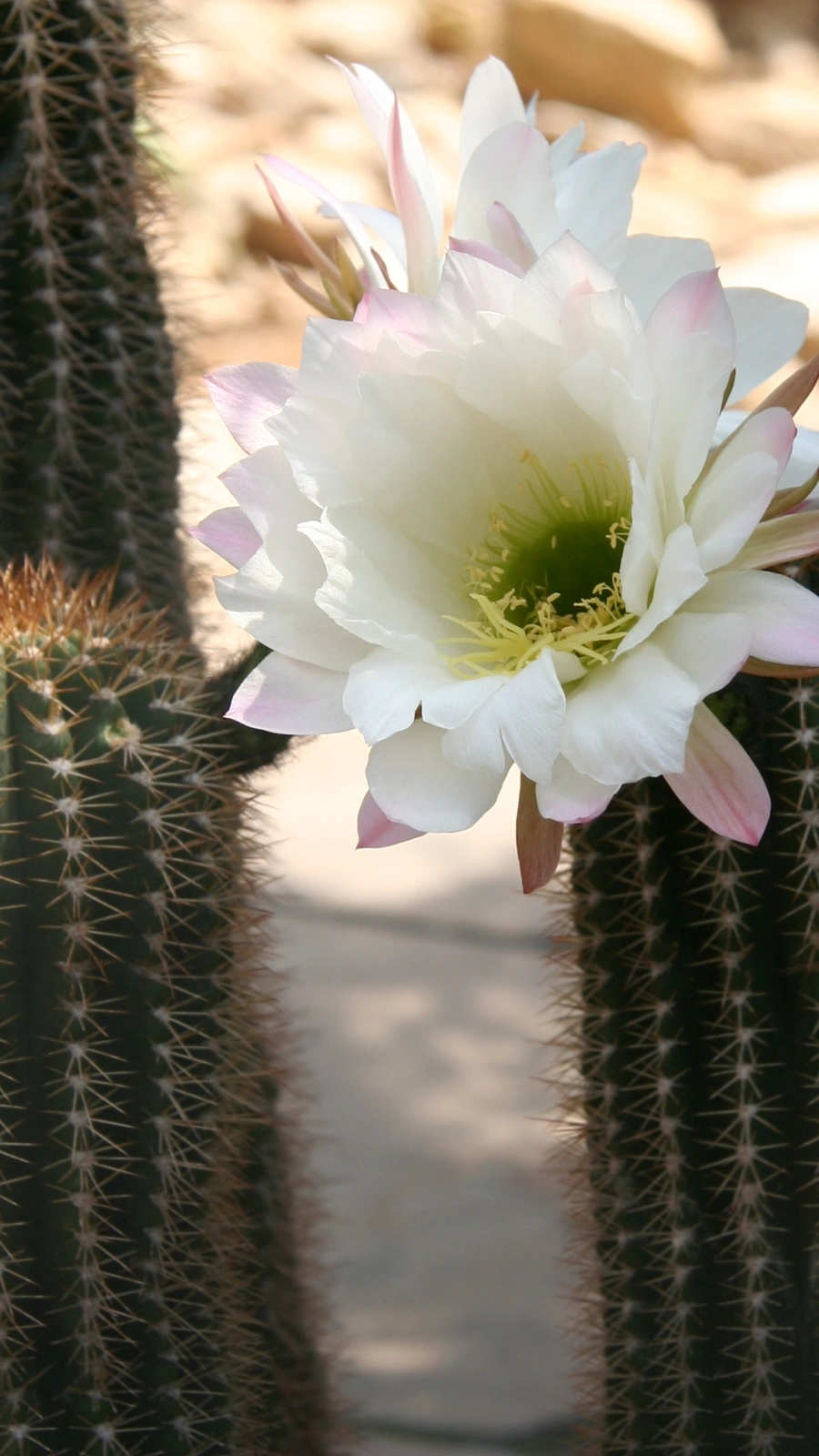
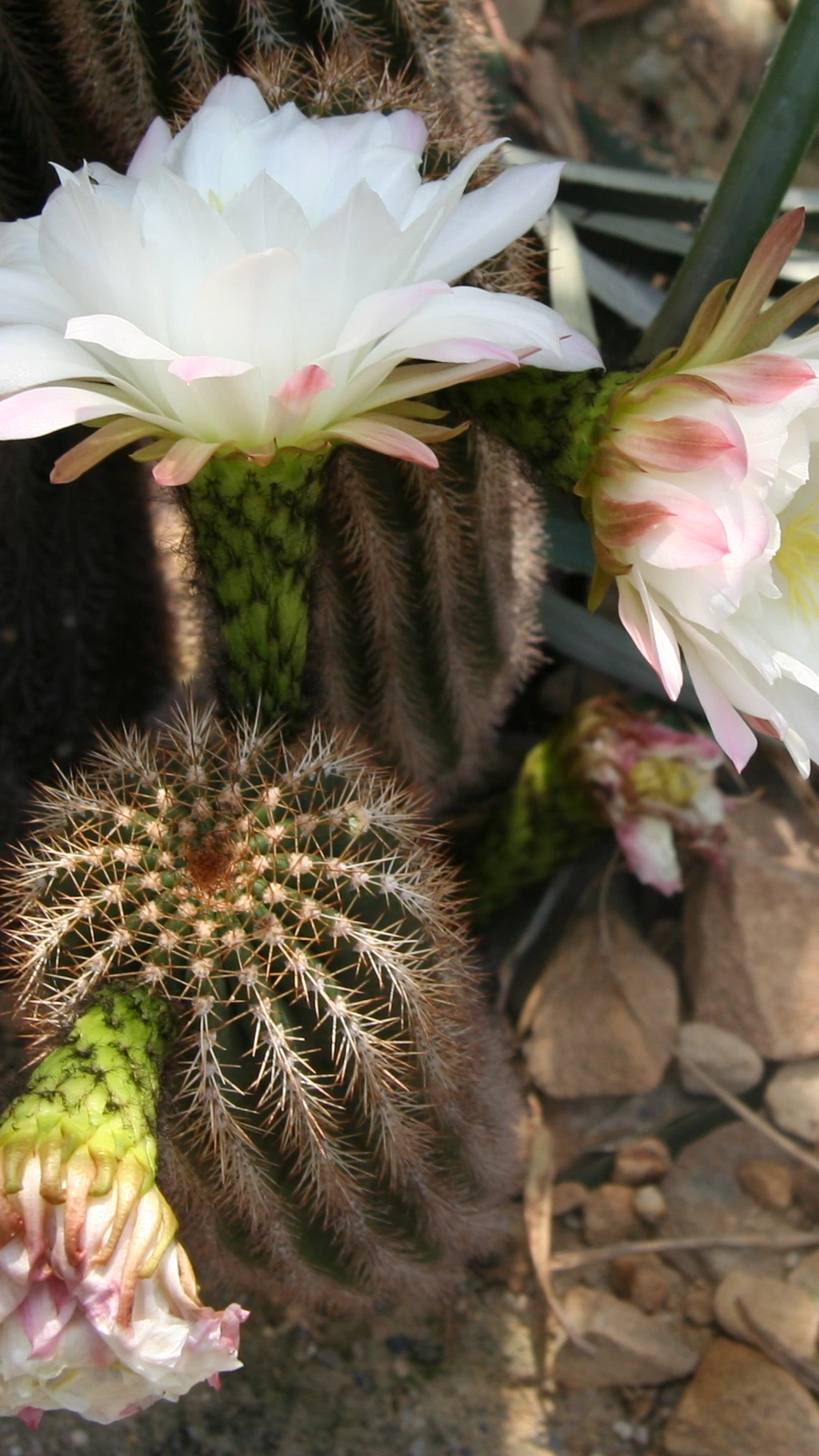
Smrziana Globe Cactus
Echinopsis smrziana is a resilient, subshrubby cactus species belonging to the Cactaceae family 1. Highly appreciated by succulent and cactus enthusiasts worldwide, it is celebrated for its attractive spination and large, showy white nocturnal blossoms.
The species name honors the prominent cactus collector and botanist Smrz. Belonging to the diverse genus Echinopsis, it is sometimes classified under the genus Soehrensia (Soehrensia smrziana) in modern molecular-based taxonomic treatments 2.
Native to northwestern Argentina, specifically in provinces like Salta, Jujuy, and Tucumán. It thrives in arid mountainous areas, rocky slopes, and dry shrublands at moderate to high elevations, growing in highly porous, mineral-rich soils.
The stem is initially globose, later becoming short-cylindrical, branching from the base to form small clumps. It features distinct ribs with woolly white areoles from which sharp, needle-like, yellowish to brownish spines emerge. The funnel-shaped, large white flowers typically appear in late spring or summer.
This species demands maximum light, preferably direct or bright indirect sunlight. Watering should follow the 'soak and dry' method, allowing the substrate to dry out completely between waterings. In winter, keeping the soil almost entirely dry is crucial.
Overwatering and poor ventilation are the primary causes of root rot. Lack of adequate sunlight leads to etiolation, wherein the cactus stretches unnaturally towards the light source, weakening its structure.
Requires at least 4-6 hours of direct sunlight or very bright indirect light daily.
Water deeply in summer once soil dries out; keep almost dry in winter.
Requires highly porous mineral substrate rich in pumice, coarse sand, and perlite.
Features sharp spines that can cause mechanical injury. Keep away from pets and children.
Very easy to maintain, provided you avoid overwatering and allow a cool dry winter rest.
Native to the high-elevation slopes and arid scrublands of Salta, Jujuy, and Tucumán provinces in northwestern Argentina, adapting to harsh mountain climates.
