
Light
Bright Indirect Light
Prefers bright, filtered light or partial sun; avoid intense, scorching afternoon sun.
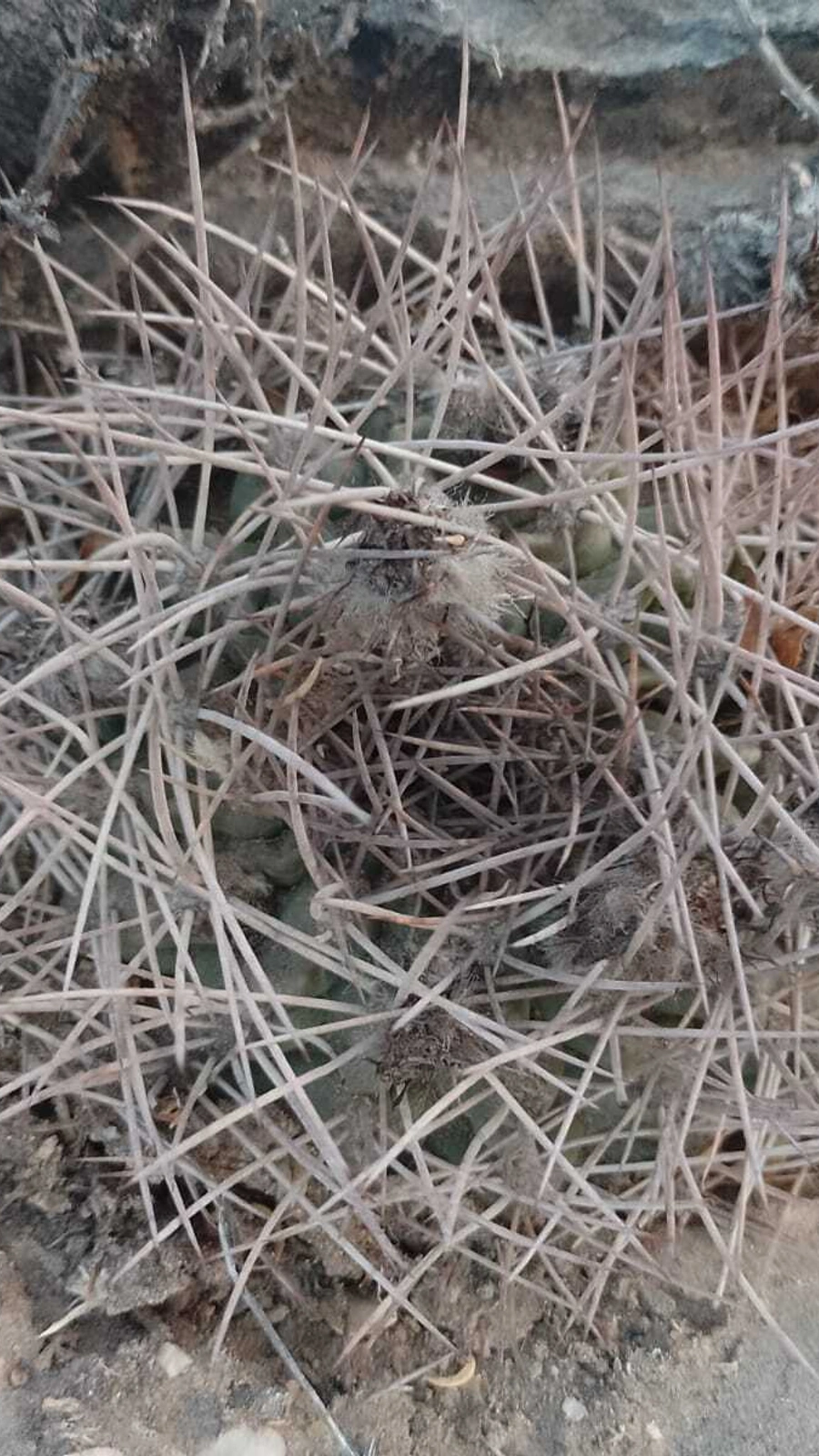 Reference image
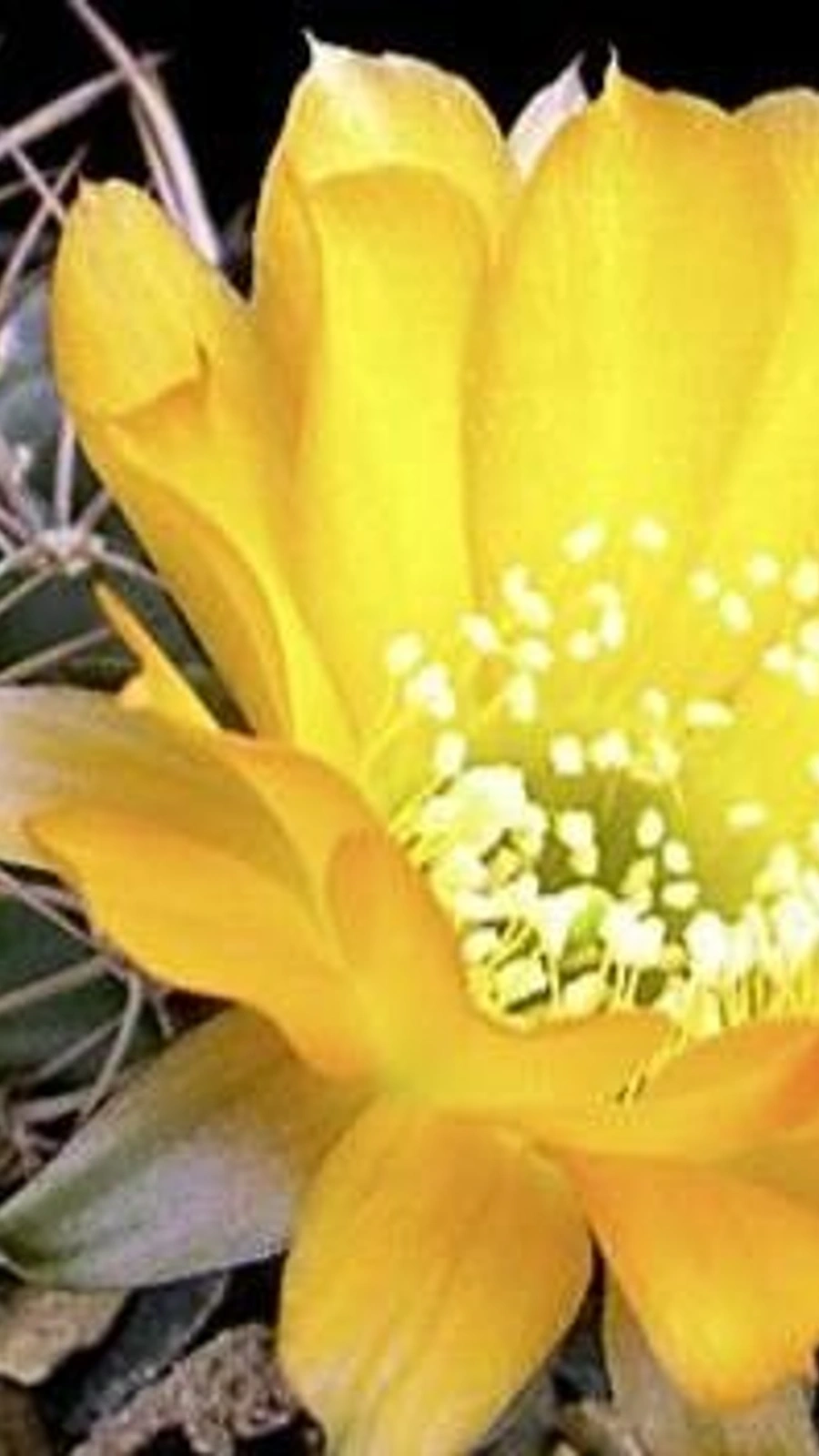 Reference image
Stilow's Echinopsis
Echinopsis stilowiana is a perennial, succulent subshrub in the family Cactaceae, native to the arid environments of South America 1. Highly valued by collectors, it is recognized for its sculptural ribbed stem and vibrant summer blossoms.
Belonging to the diverse genus Echinopsis, this species has undergone various taxonomic classifications, occasionally grouped under Lobivia or Trichocereus depending on the classification system. The specific epithet 'stilowiana' distinguishes this unique member of the cactus family 2.
This species is native to southern South America, with its primary range spanning western and northwestern Argentina, including provinces such as Catamarca, Jujuy, Salta, and San Juan 1. It thrives in desert habitats and dry shrublands, typically growing on rocky slopes with excellent drainage 2.
Echinopsis stilowiana features a cylindrical, ribbed green stem that often offsets from the base to form small clumps. The areoles bear clusters of sharp, rigid spines. During the hot summer months, it produces large, showy, funnel-shaped flowers in shades of red, orange, or yellow 3.
In cultivation, this cactus requires minimal effort. It demands bright, filtered sunlight and a very porous soil medium. Watering should follow the 'soak and dry' method, allowing the substrate to dry out completely between waterings. In winter, it must be kept dry and protected from hard frosts 3.
The most frequent issue is root rot caused by overwatering or poor soil drainage. Insufficient light exposure will cause the stem to stretch unnaturally (etiolation), ruining its compact, cylindrical habit.
Prefers bright, filtered light or partial sun; avoid intense, scorching afternoon sun.
Water thoroughly only when the soil is dry. Keep completely dry in winter.
Use a highly mineral-based, gritty cactus mix with excellent drainage.
Non-toxic, but the sharp spines can cause physical injury. Keep out of reach of pets and children.
Very easy to care for, provided it is not overwatered and is given enough light.
Naturally distributed across the arid, rocky slopes and dry shrublands of western Argentina, where it has adapted to withstand prolonged droughts and rocky substrates.
