
Light
Direct Sun
Requires at least 6 hours of direct sunlight daily. Best placed on south-facing windowsills.
 Reference image
 Reference image
Tegeler's Hedgehog Cactus
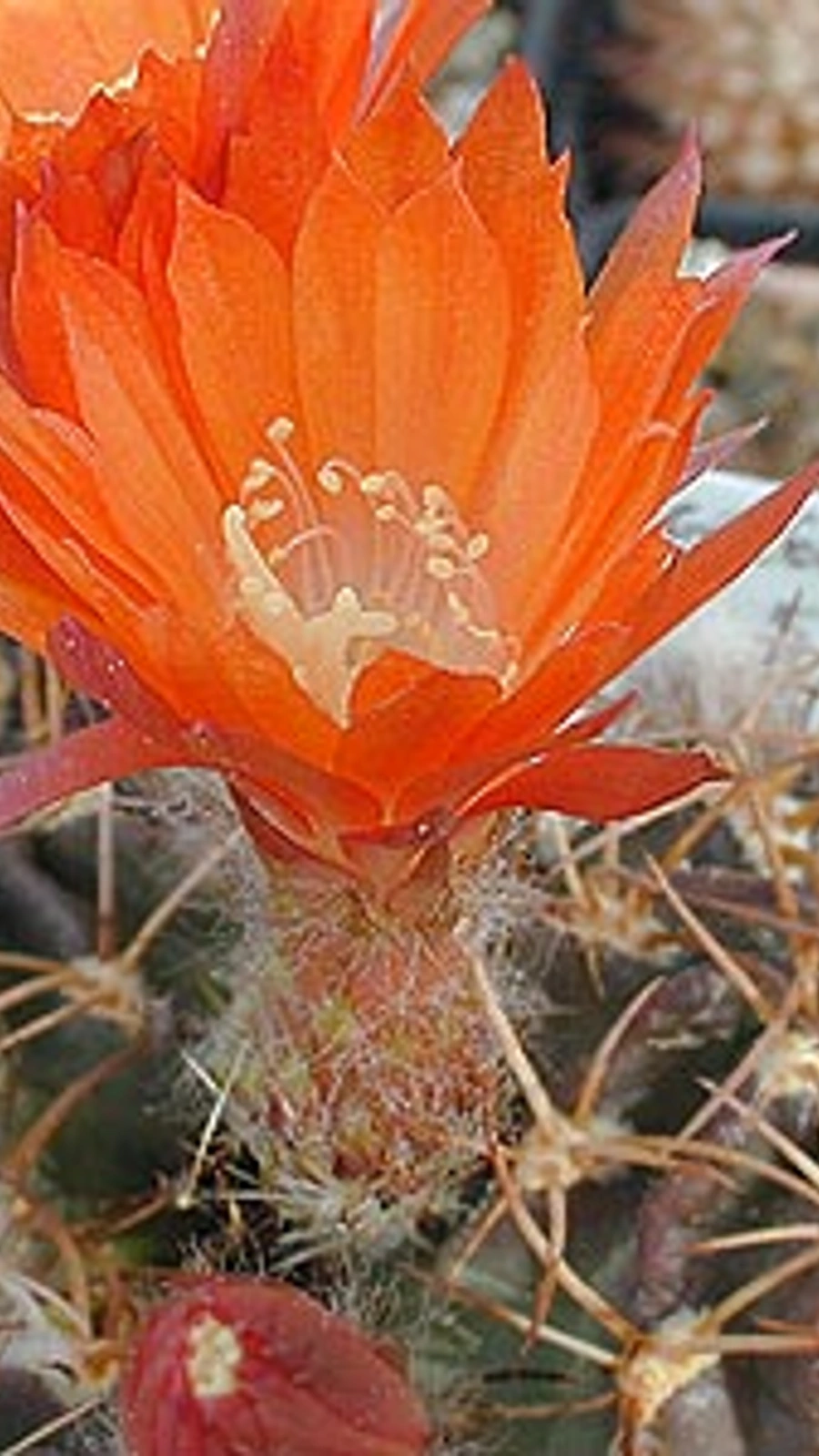
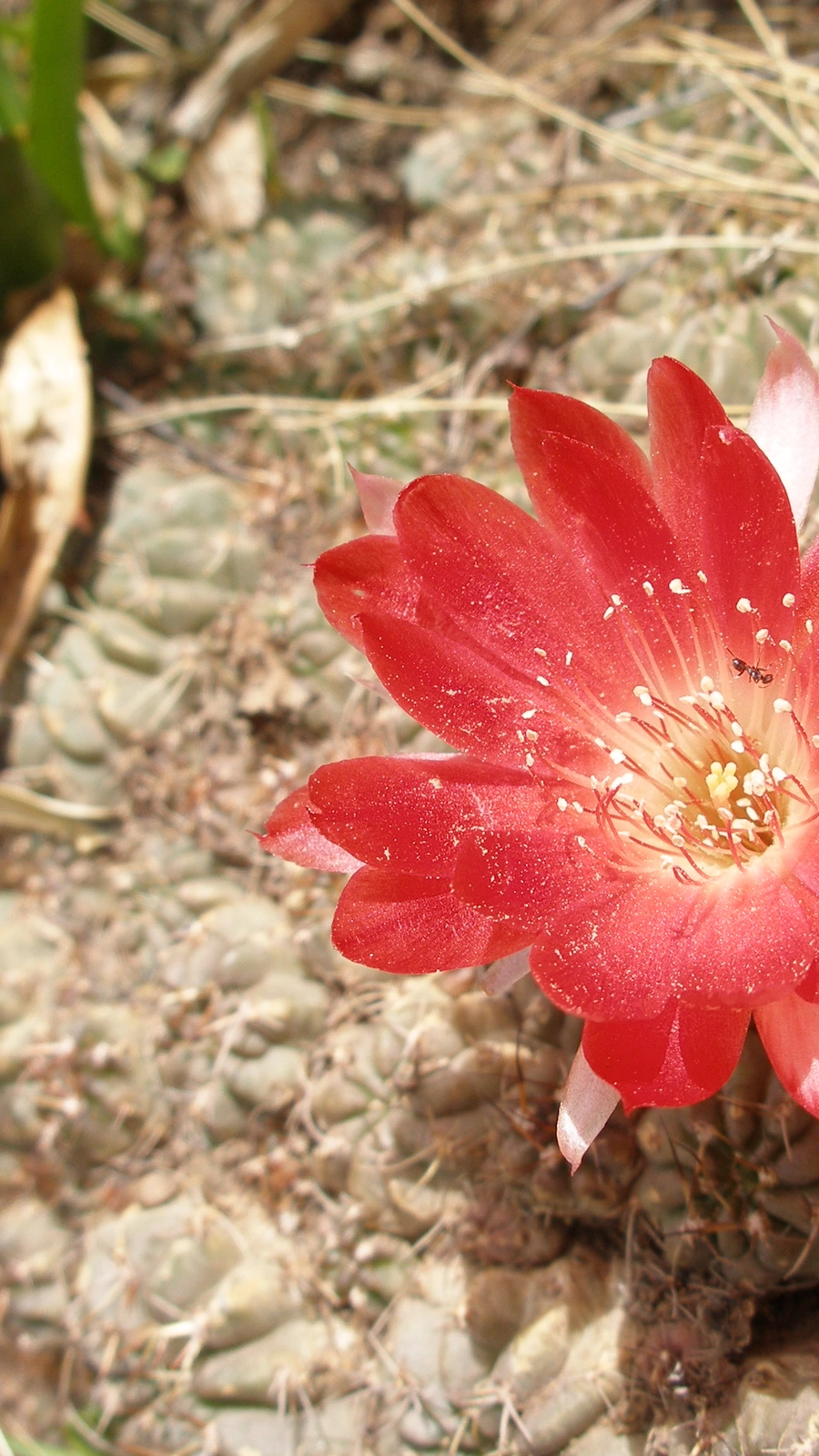
Echinopsis tegeleriana is a globose to short cylindrical succulent subshrub belonging to the Cactaceae family 1. Renowned for its fierce spination and striking orange-red blossoms, this high-altitude cactus is a highly prized species among collectors.
Originally described under the genus Lobivia as Lobivia tegeleriana, it was later classified under the broader genus Echinopsis 2. The specific epithet honors Wilhelm Tegeler, a German plant enthusiast and collector who supported botanical expeditions in Peru.
This species is native to the high-elevation regions of Peru, particularly in the departments of Lima and Junín, at altitudes ranging between 3,000 and 4,000 meters above sea level 3. It thrives in dry shrublands, rocky slopes, and alpine deserts.
The stem is solitary or clustering, grayish-green, with 16 to 20 tuberculate ribs. It features strong, recurved, yellowish to horn-colored spines that densely cover the plant. During late spring to early summer, it produces funnelform flowers in brilliant shades of orange, red, or occasionally yellow 1.
In cultivation, it requires a position with full sun exposure and excellent ventilation. Due to its alpine origin, it prefers cool nights and can tolerate brief winter frosts down to -5°C if kept completely dry 2.
The most frequent mistake is overwatering during the cold winter dormancy, which quickly causes root rot. Insufficient sunlight leads to etiolation, causing the stem to stretch abnormally.
Requires at least 6 hours of direct sunlight daily. Best placed on south-facing windowsills.
Allow the potting mix to dry out completely between waterings. Suspend watering in winter.
Use a highly porous, gritty cactus mix with plenty of pumice and coarse sand.
Features sharp, sturdy spines. Handle with thick leather gloves and keep away from pets.
Very easy to care for, provided it is not overwatered and receives adequate sunlight.
Naturally occurs in the high-elevation Andean slopes of Peru, navigating rocky terrain and extreme temperature fluctuations of alpine deserts.
