
Light
Bright Indirect Light
Thrives in bright indirect light with at least 4-6 hours of direct morning sun.
 Reference image
 Reference image
Spider-spined Cactus
Echinopsis tiegeliana is a popular, highly resilient miniature cactus species from the family Cactaceae. Famously known for its vibrant purple-magenta flowers and spider-like appressed spines, it is highly valued by succulent collectors. It is often cultivated under its synonym, Lobivia tiegeliana, representing an excellent choice for both novice and experienced growers 1.
Belonging to the genus Echinopsis, this species was first described by the botanist Curt Backeberg. Modern taxonomists often group it under the subgenus Lobivia. The specific epithet 'tiegeliana' honors the German cactus enthusiast Ernst Tiegel, who made significant contributions to succulent studies 1.
This species is native to Bolivia (specifically the Tarija department) and northwestern Argentina 2. It grows natively at elevations between 1900 and 2700 meters above sea level. It thrives on rocky, gravelly mountain slopes and dry shrublands, adapting to dramatic diurnal temperature fluctuations.
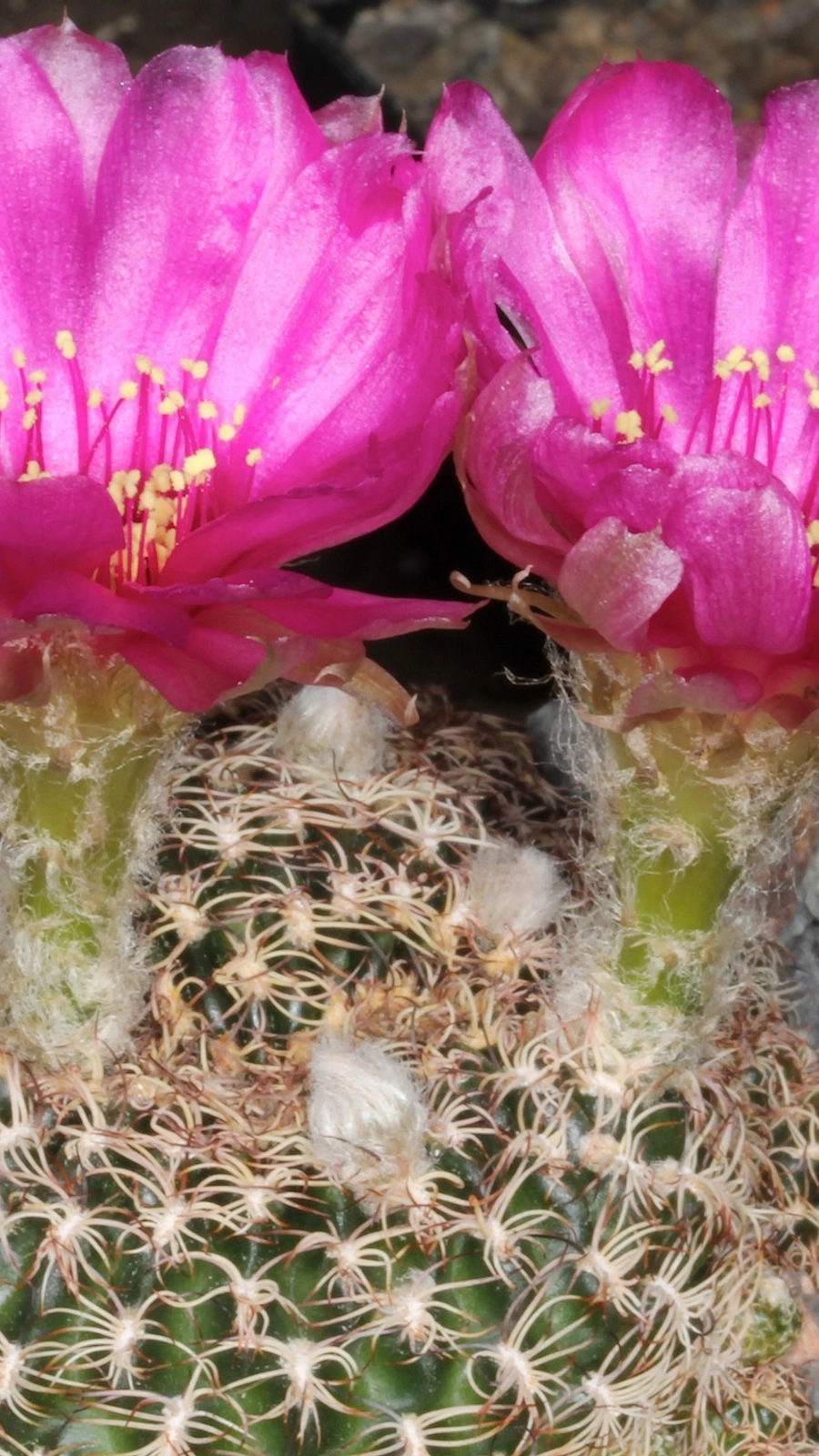
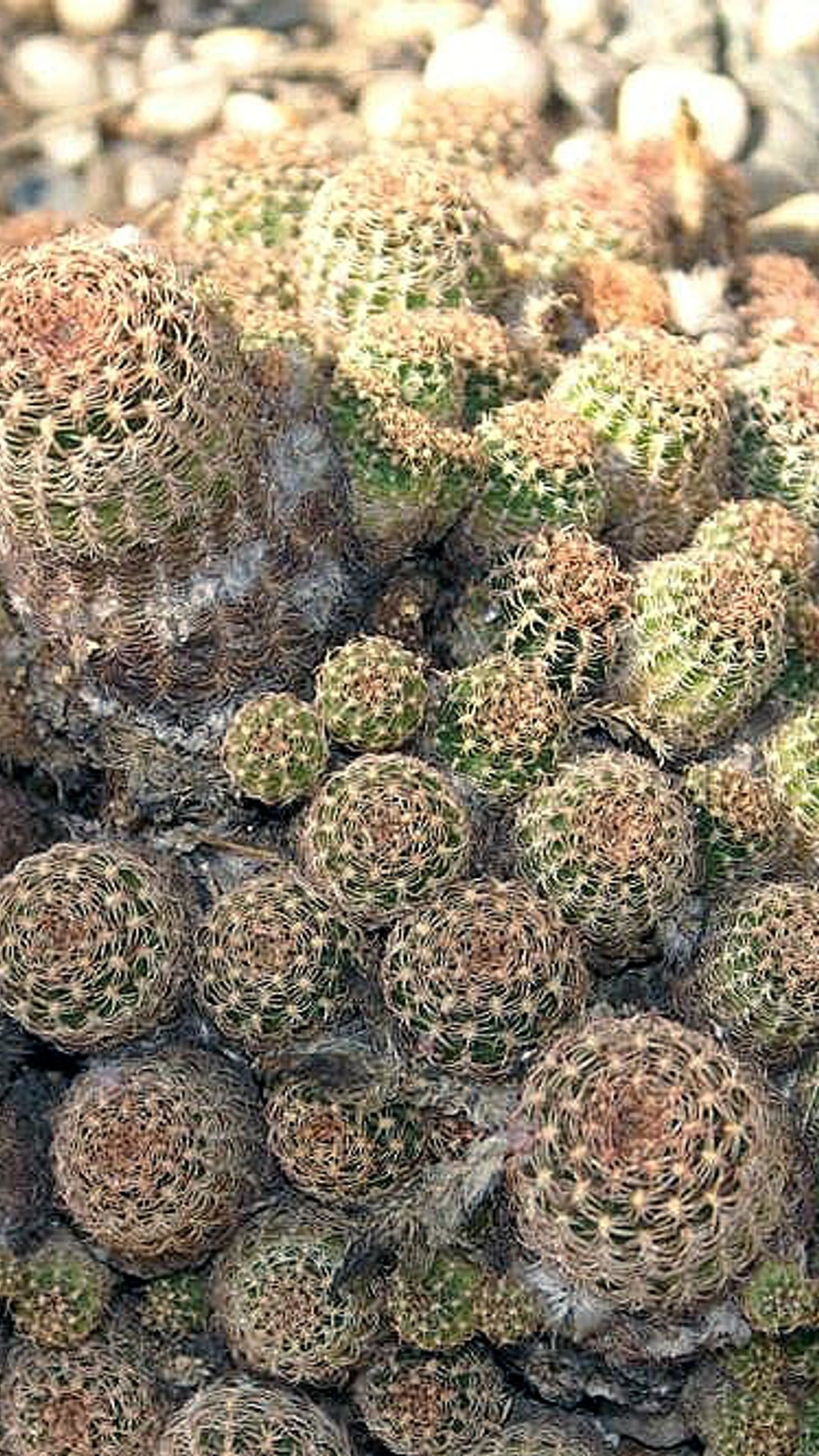
The stem is solitary or slowly offsetting at the base, globose to slightly depressed-globose, and dark glossy green. It features 17 to 20 well-defined ribs. The spines are needle-like, flexible, and curved back toward the stem, resembling spider legs. In late spring, stunning funnel-shaped flowers in shades of pink, purple, or red open during the day 1.
Bright, direct morning sunlight is crucial for healthy spine development and flowering. During active growth, water thoroughly only when the soil has completely dried out. In winter, the plant must be kept dry and cool to simulate its natural dormant period 2.
Overwatering during the winter dormancy period is the most common cause of plant loss due to root rot. Insufficient sunlight will cause etiolation, stretching the spherical stem into an unsightly elongated shape.
Thrives in bright indirect light with at least 4-6 hours of direct morning sun.
Water thoroughly when the soil is dry in summer; keep completely dry in winter.
Highly porous mineral mix with abundant pumice, gravel, and minimal organic matter.
Non-toxic to pets, but has sharp spines that require careful handling.
Very easy to grow, provided it gets enough sun and is not overwatered.
Occurs naturally on rocky mountain slopes and high-altitude gravelly terrains of the Andes.
