
Light
Direct Sun
Requires bright, direct sunlight to prevent stretching and encourage blooming.
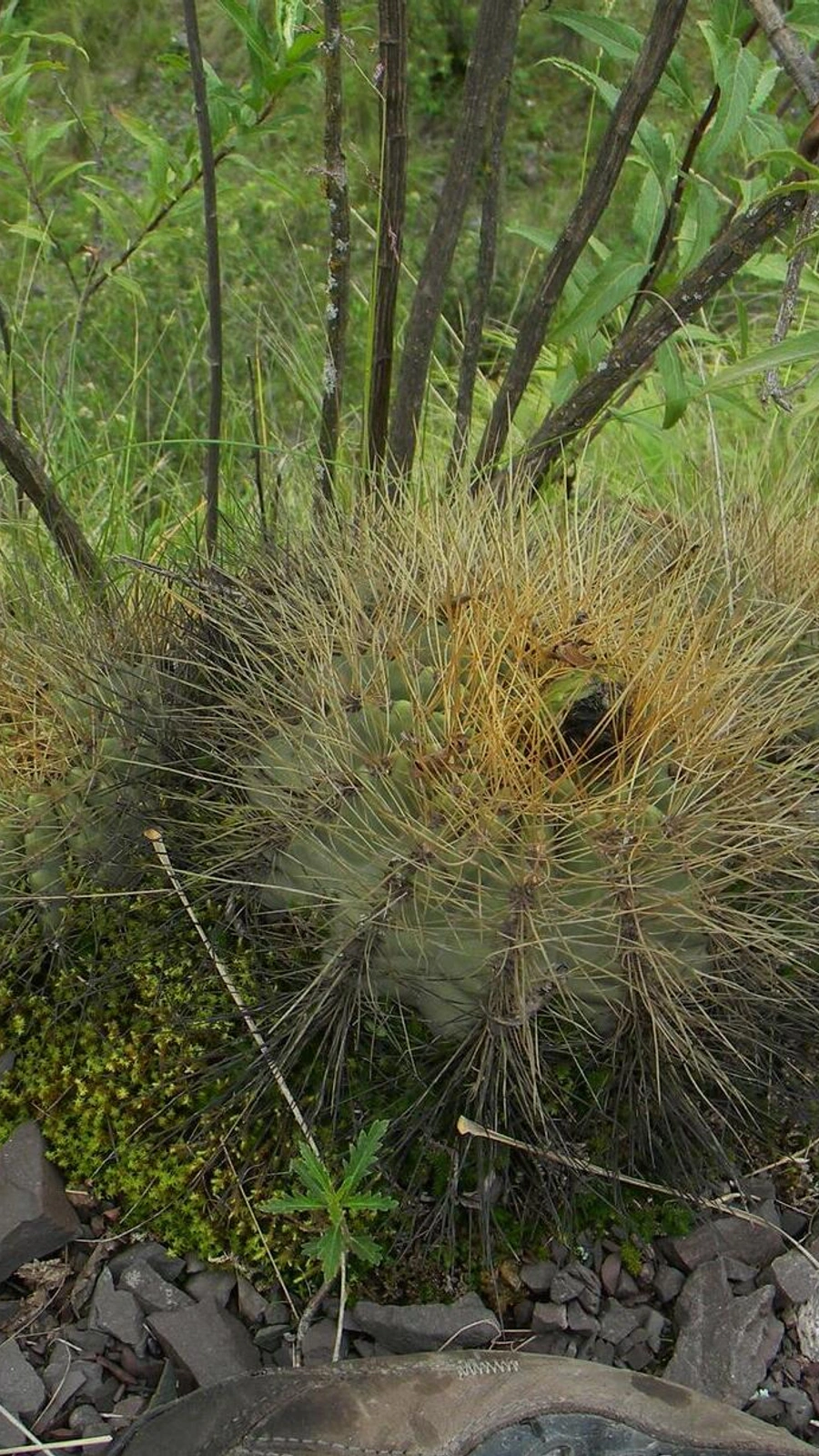 Reference image
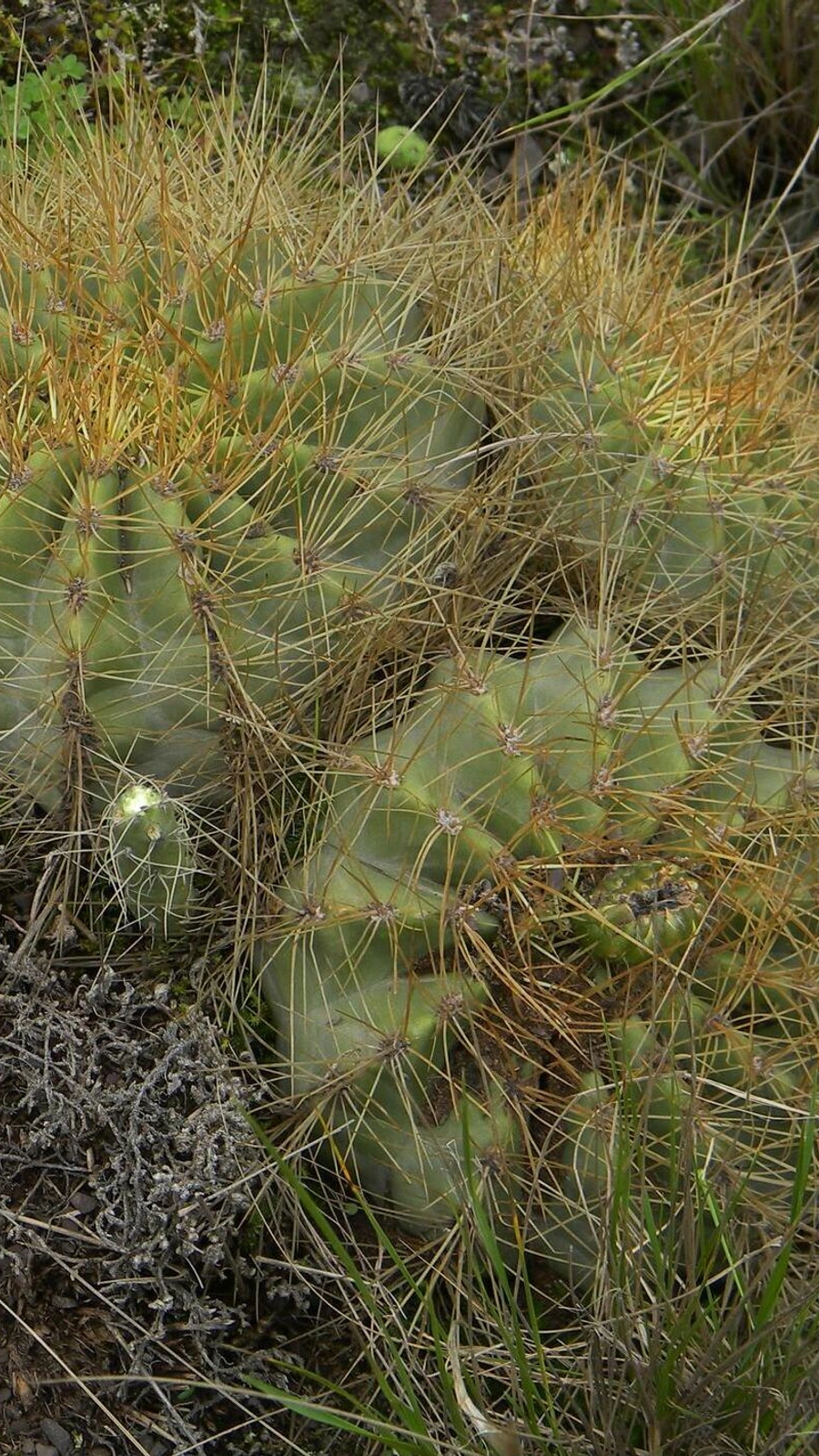 Reference image
Walter's Echinopsis
Echinopsis walteri (often referred to as Lobivia walteri) is a small to medium-sized, perennial succulent cactus belonging to the Cactaceae family 1.
Classified under the diverse genus Echinopsis, this species has been frequently associated with the genus Lobivia due to ongoing taxonomic revisions in cactus classification 1. The specific epithet 'walteri' honors the botanist or collector associated with its discovery.
This species is native to southern South America, specifically endemic to the northwestern regions of Argentina, including Salta 2. It typically grows at high altitudes in arid valleys, steep rocky slopes, and dry shrublands, where soils are extremely well-drained.
Globose when young, it becomes cylindrical with age. It features prominent ribs lined with dense, sharp spines. During late spring and summer, it produces large, funnel-shaped, vibrant yellow flowers near the apex of the stem 2.
In cultivation, it requires ample direct sunlight to maintain its compact shape and promote flowering. Water thoroughly during the active growing season only when the soil is completely dry, and suspend watering almost entirely during winter dormancy.
The most frequent care mistake is overwatering during winter, which leads to root rot. Lack of adequate light causes etiolation, where the cactus stretches and loses its natural form.
Requires bright, direct sunlight to prevent stretching and encourage blooming.
Allow soil to dry out completely. Water sparingly in summer, and keep dry in winter.
Needs a highly porous, gritty mineral mix with pumice and coarse sand.
Non-toxic to pets, but possesses sharp spines that can cause mechanical injury.
Very easy to care for, provided it is not overwatered and receives enough light.
Native to the high-altitude rocky slopes and dry shrublands of northwestern Argentina, adapted to intense sun and minimal rainfall.
