
Light
Bright Indirect Light
Requires bright indirect light or partial direct sun; insufficient light causes thin, weak growth.
 Reference image
 Reference image
Werdermann's Sea-Urchin Cactus
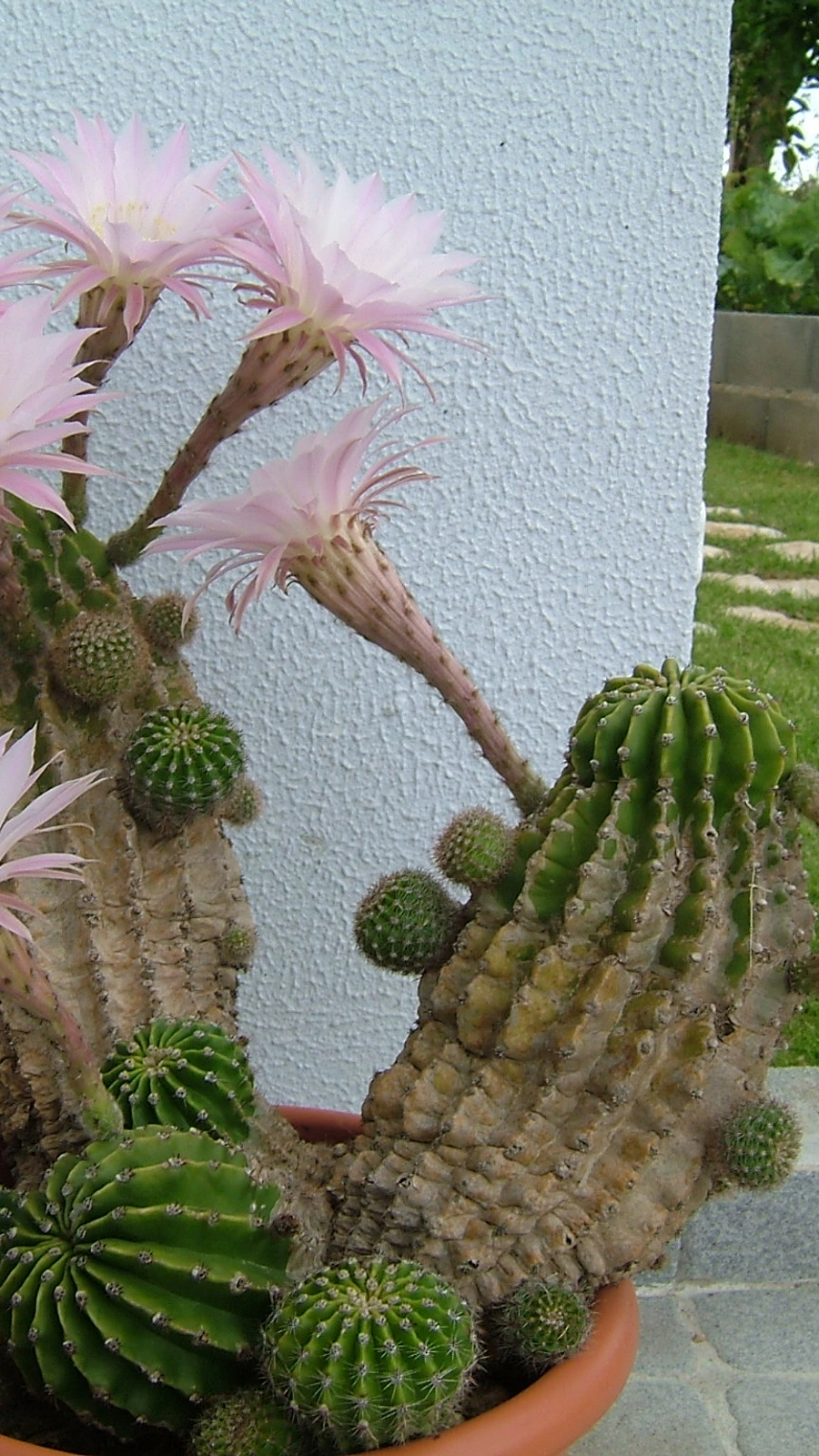
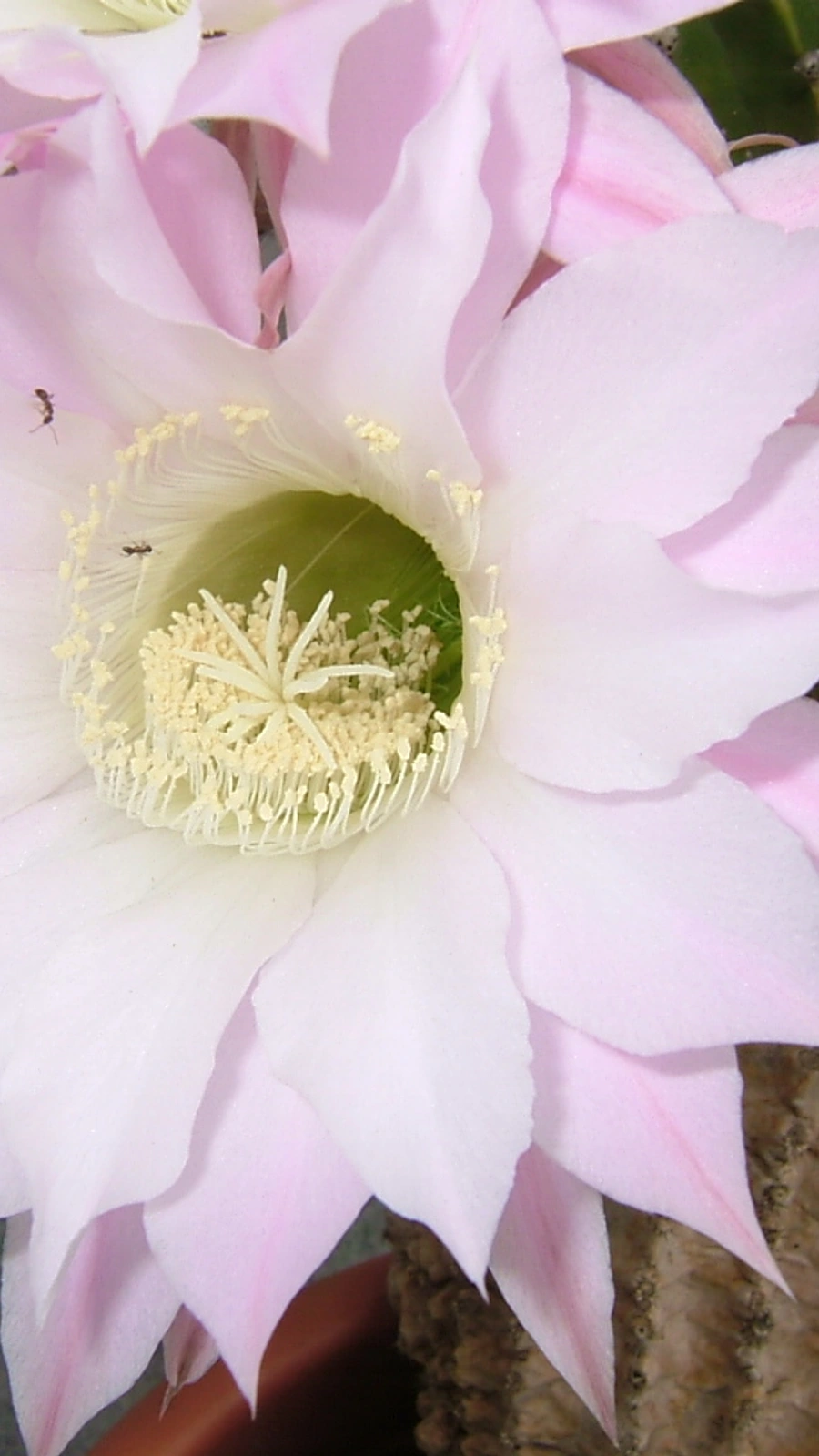
Echinopsis werdermannii is a globose, attractive cactus species belonging to the Cactaceae family, highly prized by collectors for its symmetrical ribbed body and large, showy pinkish-lilac flowers. It is adapted to thrive in subtropical arid environments with minimal care 1.
Classified within the species-rich genus Echinopsis, it is named in honor of the prominent German botanist Erich Werdermann 2. While taxonomists sometimes group it close to the Echinopsis oxygona complex, it maintains distinct morphological characteristics, particularly in its spine structure and growth habit.
This succulent subshrub is native to Southern South America, specifically in Paraguay 1. It inhabits dry subtropical biomes, growing in sandy soils, rocky outcroppings, and under the sparse shade of deciduous shrubs in Chaco landscapes.
The stem is solitary and globose when young, eventually becoming slightly columnar and clumping from the base. It features distinct ribs with neat, woolly areoles bearing short, greyish-brown spines. The large, funnel-shaped flowers emerge in summer, opening late in the day or at night, emitting a sweet fragrance.
In cultivation, it requires bright, indirect sunlight or partial direct sun. It prefers coarse, porous mineral soils that prevent water retention. Watering should be thorough but infrequent, allowing the substrate to dry completely between cycles. Winter dormancy with cool temperatures is crucial for bud initiation 2.
Overwatering is the primary cause of failure, quickly leading to root rot. Keeping the cactus in poorly lit locations causes etiolation (unnatural stretching), weakening the plant and preventing the formation of its spectacular summer blooms.
Requires bright indirect light or partial direct sun; insufficient light causes thin, weak growth.
Allow soil to dry out completely before watering again. Keep virtually dry in winter.
Use a highly porous, gritty cactus mix enriched with pumice and coarse sand.
The plant possesses sharp spines. Handle with gloves and keep out of reach of pets.
Extremely easy for beginners, provided it is not overwatered and is given enough light.
Native to the subtropical dry forests and sandy shrublands of Paraguay and surrounding regions in Southern South America.
