
Light
Bright Indirect Light
Requires bright light with at least 4-6 hours of direct or highly filtered sunlight daily.
 Reference image
 Reference image
Yuquina Cactus
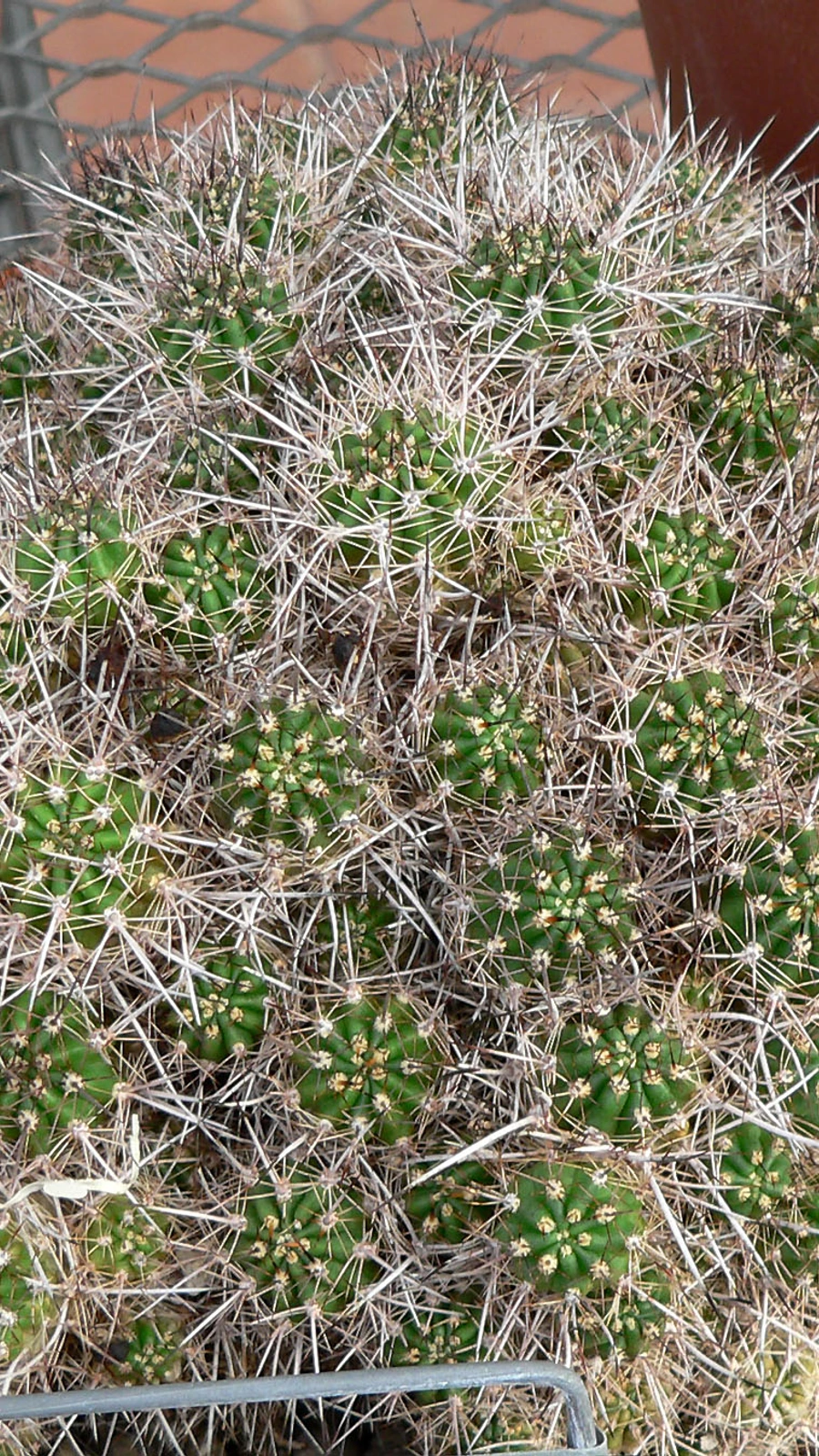
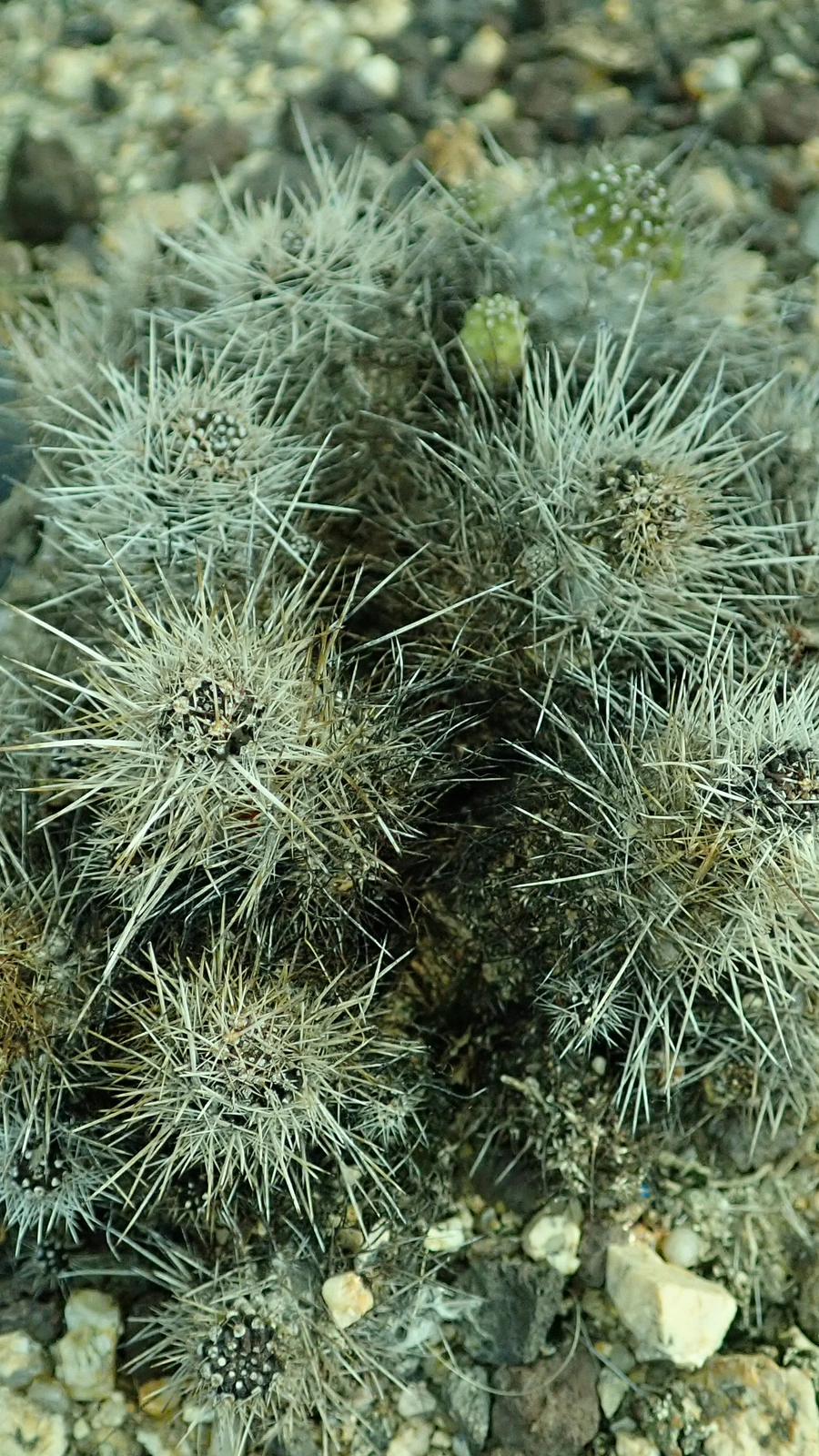
Echinopsis yuquina is a perennial succulent subshrub in the family Cactaceae, native to the high-altitude arid regions of Bolivia 1. Characterized by its spiny cylindrical stems and vibrant funnel-shaped blossoms, this species is highly valued by succulent collectors for its resilience and striking floral display.
Named after the locality of Yuquina in Bolivia where it was discovered, this species belongs to the large genus Echinopsis. Depending on taxonomic classification preferences, it has historically been grouped under Lobivia 2. However, modern phylogenetic studies and database records such as POWO accept it under the genus Echinopsis.
This cactus is native to western and southern Bolivia, particularly within the Chuquisaca department 1. It thrives in dry shrublands, rocky slopes, and desert environments at high altitudes ranging from 2,500 to 3,200 meters above sea level, making it relatively cold-hardy.
The stems are globose to short-cylindrical, clumping from the base to form dense cushions over time. It features pronounced vertical ribs armed with rigid, grayish-brown spines. During late spring and summer, it produces spectacular, bright red to orange-red flowers that open during the day 2.
Echinopsis yuquina requires excellent drainage and a mineral-rich substrate. During the spring and summer active growth phase, water thoroughly but allow the substrate to dry out completely between waterings. Provide a cool, completely dry winter dormancy period to encourage robust health and seasonal blooming.
Overwatering is the most common pitfall, rapidly leading to root and stem rot. Insufficient sunlight causes etiolation, where the plant grows weak and stretched. Skipping the cool, dry winter rest period will often prevent the cactus from blooming in the following season 2.
Requires bright light with at least 4-6 hours of direct or highly filtered sunlight daily.
Water only when the substrate is fully dry. Keep almost entirely dry in winter.
Requires highly porous, gritty cactus soil mix rich in pumice, perlite, and coarse sand.
Features sharp spines that can cause physical injury. Keep out of reach of pets and children.
Very easy to maintain, provided you avoid overwatering and allow a cool winter rest.
Native to the high-altitude rocky slopes and dry mountain shrublands of Bolivia, particularly in the Chuquisaca region.
