
Light
Full Sun
Full, direct sun is required. It will lose its golden color and stretch in low light.
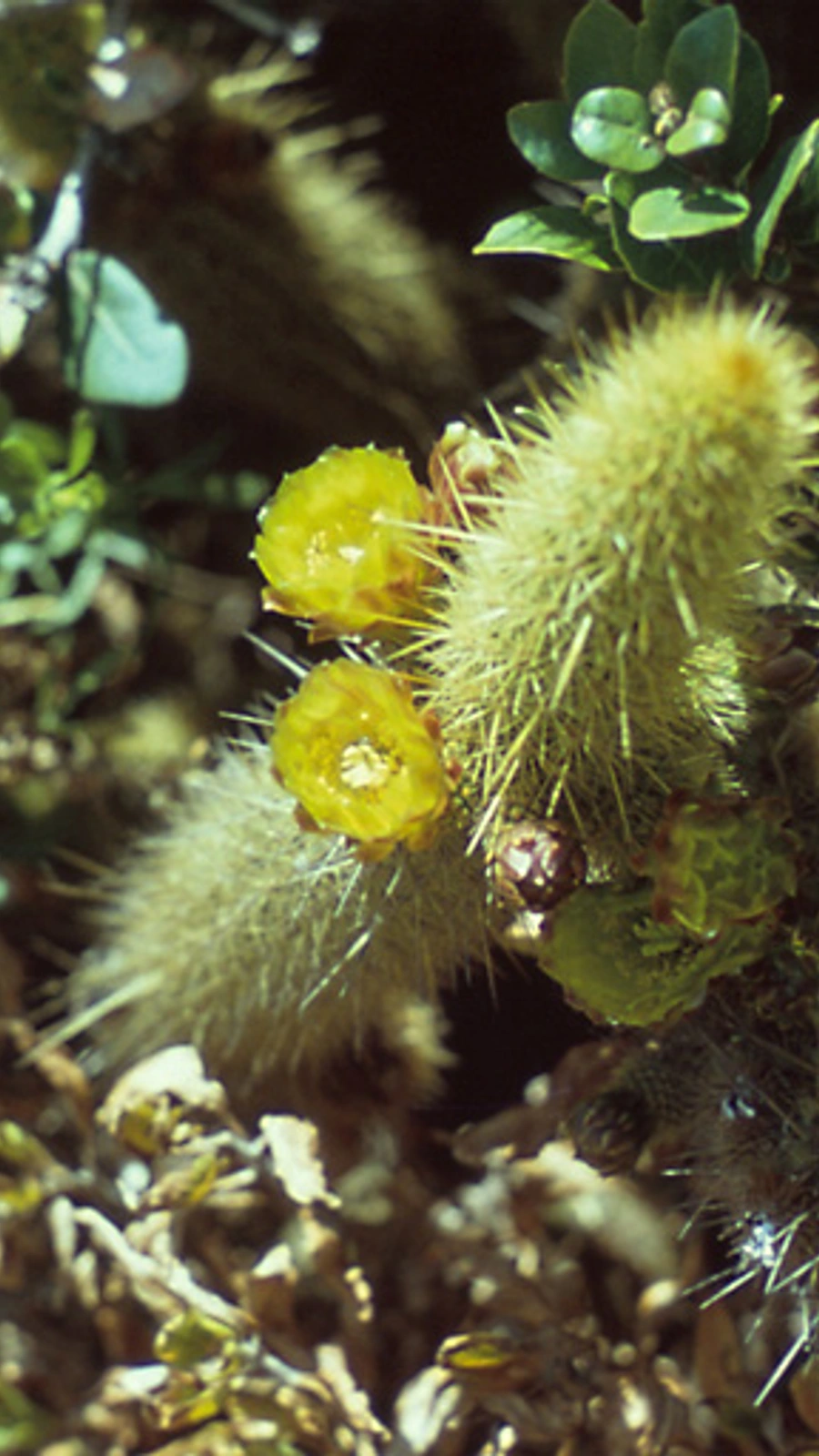
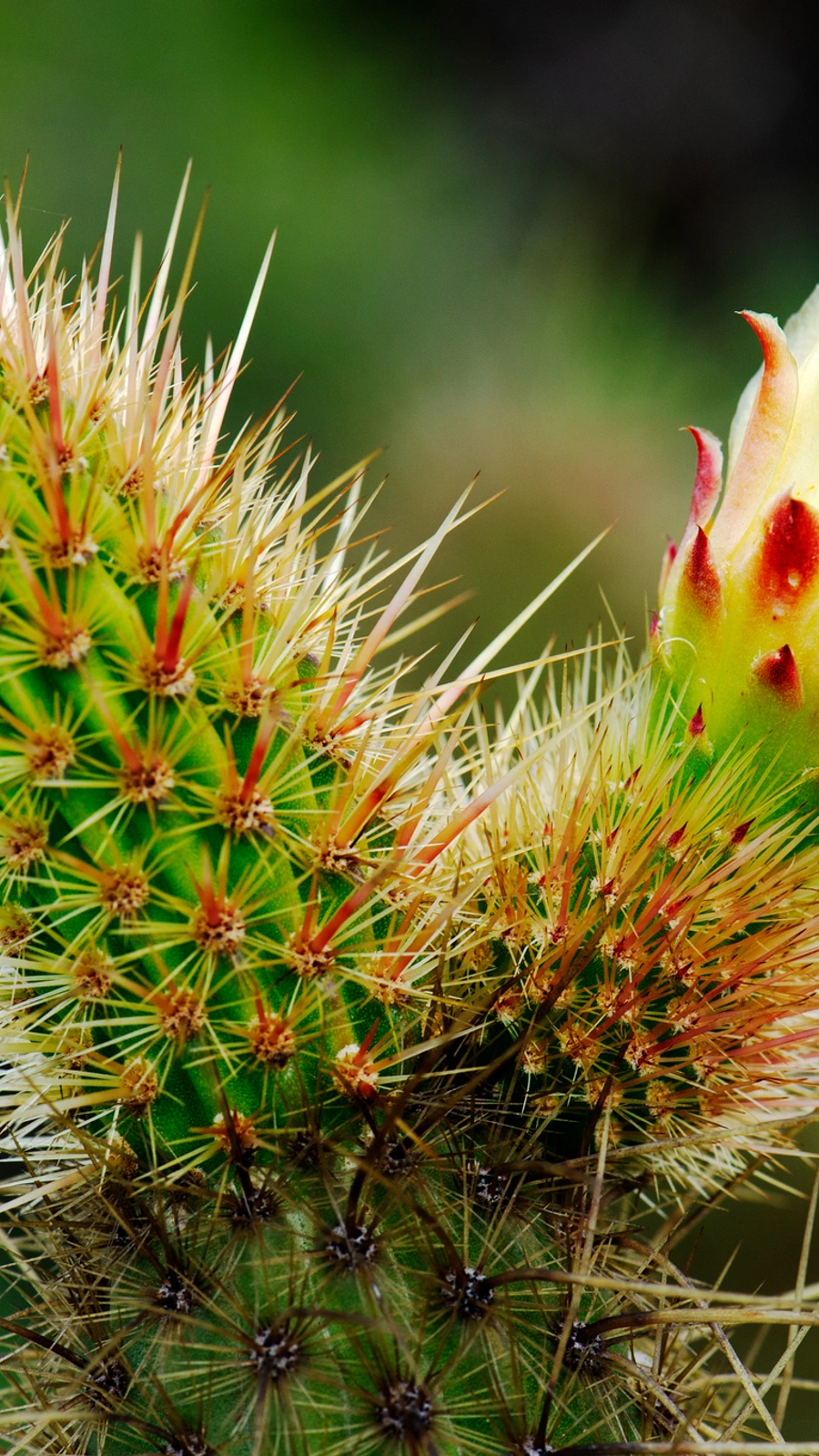
Golden Spine Cactus
Bergerocactus emoryi, commonly known as the golden spine cactus, is a unique, shrubby succulent belonging to the family Cactaceae. It is highly valued by collectors and xeriscape landscapers for its dense cover of golden-yellow spines and erect, branching habits. This species is the sole member of the monotypic genus Bergerocactus.
The genus name Bergerocactus honor Alwin Berger, a prominent German botanist and succulent specialist 1. The specific epithet emoryi honors Major William Hemsley Emory, who led the United States and Mexican Boundary Survey and collected the first botanical specimens of the species 2.
This cactus is native to a very restricted coastal range, stretching from the extreme south of California (San Diego County) in the United States down to northwestern Baja California in Mexico 1. It thrives on dry coastal hillsides, bluffs, and sandy slopes within coastal sage scrub communities under Mediterranean-type climates.
Bergerocactus emoryi forms low, dense thickets branching from the base, reaching heights of 60 to 120 cm. The cylindrical stems, 3 to 6 cm in diameter, have 14 to 25 shallow ribs completely covered by sharp, needle-like golden-yellow spines. In late spring, small, tubular, bright yellow flowers appear near the stem tips.
In cultivation, it requires full sun, excellent air circulation, and a highly porous gritty potting mix. Watering should be sparse during the active summer growing season and suspended almost entirely during the winter. It has low tolerance for wet winters.
The most frequent failures are caused by overwatering, which leads to immediate root and stem rot, and lack of direct sunlight, which results in weak, thin growth and loss of golden spine coloration.
Full, direct sun is required. It will lose its golden color and stretch in low light.
Water sparingly in summer only when soil is bone dry. Keep dry in winter.
Highly mineral, fast-draining cactus mix with plenty of pumice, perlite, and coarse sand.
Equipped with numerous sharp, golden needles. Handle with thick leather gloves and keep away from pets.
Moderate difficulty. Requires strict self-discipline regarding watering.
Native to the immediate coastal slopes of Southern California and northern Baja California, growing on sandy bluffs and maritime sage scrub areas near the Pacific Ocean.
