
Light
Bright Indirect Light
Enjoys bright, filtered sunlight, which helps maintain its dense and compact white spination.
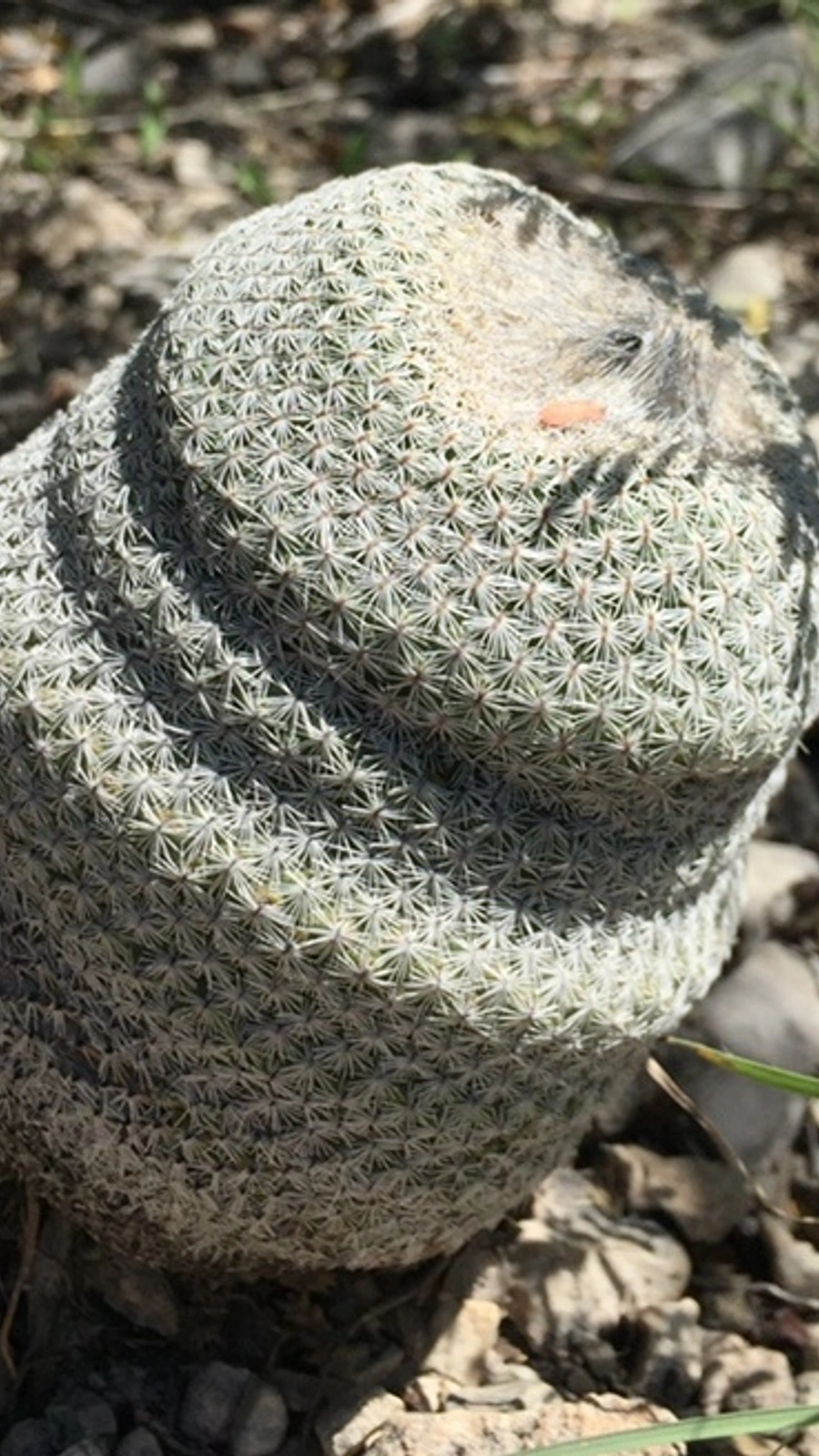 Reference image
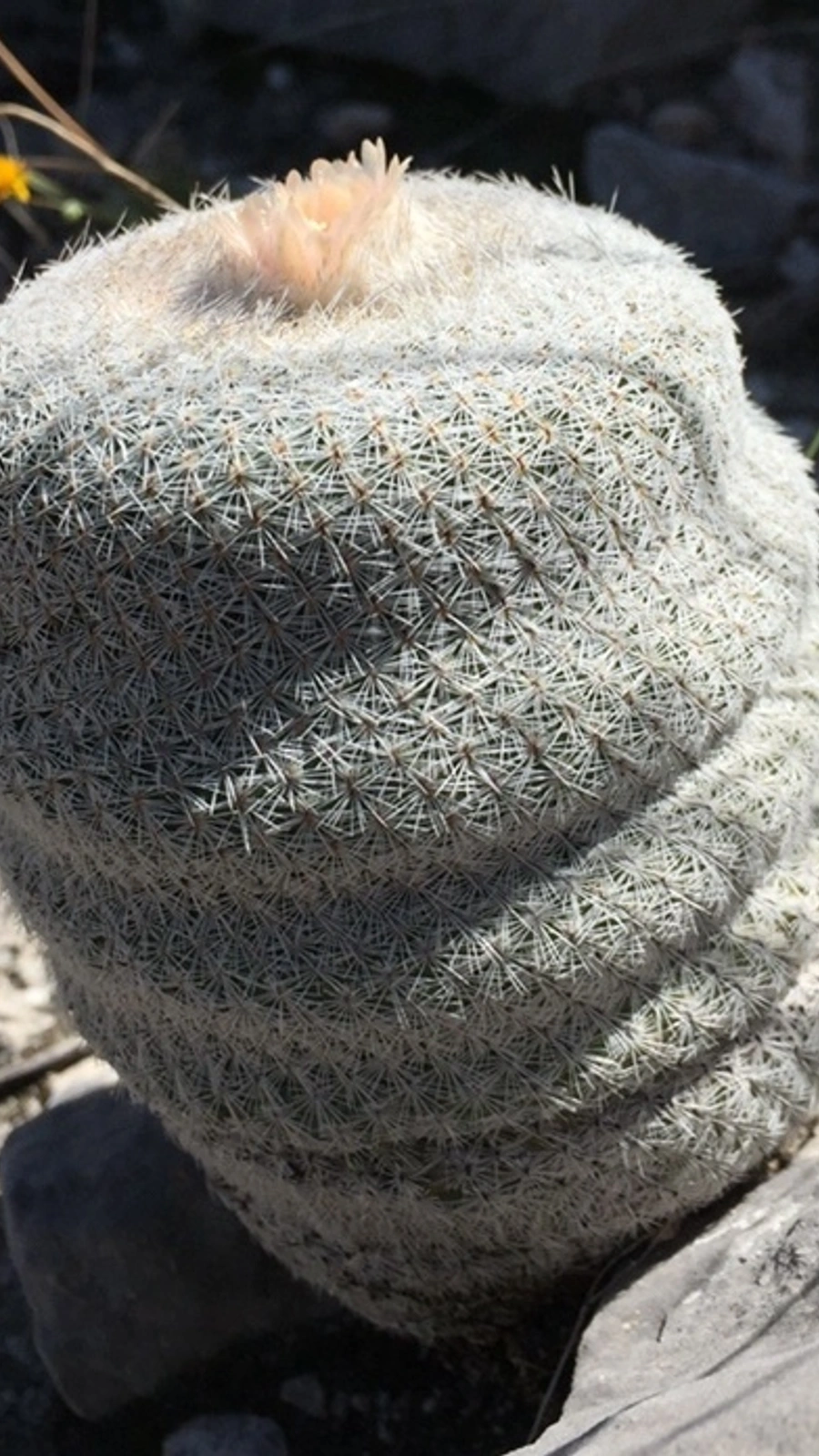 Reference image
Cryptic Button Cactus
Epithelantha cryptica is a miniature, globose cactus species belonging to the family Cactaceae. Highly prized among succulent collectors, this species is distinguished by its extremely dense, white spination and petite growth habit. It grows very slowly and is well-adapted to the harsh conditions of its native arid environment 1.
Within the family Cactaceae, the genus Epithelantha consists of small-bodied cacti commonly known as "button cacti." Epithelantha cryptica is distinguished from the closely related Epithelantha micromeris complex primarily by its unique spine morphology and cryptic epidermal patterns, which keep the plant stem almost entirely obscured 2. The specific epithet "cryptica" refers to this hidden appearance.
This species is native to Northern America, specifically within the Chihuahuan Desert of northern Mexico, encompassing areas in Coahuila, Nuevo León, and San Luis Potosí. It grows at high elevations on limestone hills, rocky outcrops, and gravelly slopes, often growing in full sun or tucked under desert scrub 3.
The stem is solitary and globose, rarely exceeding 5 cm in diameter. It is densely enveloped by multiple spirals of tiny, ash-white to greyish spines that shield the plant from intense solar radiation. In late spring, minute pale pink to cream flowers emerge from the woolly apex. These are followed by bright red, cylindrical fruits that provide a stunning contrast against the white body.
In cultivation, Epithelantha cryptica requires an extremely porous, mineral-rich potting medium. A substrate composed of pumice, lava rock, coarse sand, and a small amount of limestone grit mimicking its natural habitat is ideal. Watering must be sparse, applied only when the substrate is completely dry, and withheld entirely in winter 4.
The most prevalent issue is rot, triggered by organic-rich soils and excessive watering. Due to its desert origin, it cannot tolerate stagnant moisture. Insufficient light leads to etiolation, causing the globose body to stretch and lose its beautiful, compact spine formation.
Enjoys bright, filtered sunlight, which helps maintain its dense and compact white spination.
Water only when the substrate is fully dry. Keep absolutely dry throughout the winter months.
Requires highly porous mineral soil with pumice, lava gravel, and limestone. Avoid organic peat.
Non-toxic, but the extremely fine and dense spines can easily lodge in skin; handle with care.
Moderate difficulty due to extreme sensitivity to overwatering and high humidity.
Endemic to the high-altitude limestone hills and rocky slopes of the Chihuahuan Desert in northern Mexico, surviving under intense sun and extreme drought.
