
Light
Bright Indirect Light
Requires very bright, filtered sun. Intense afternoon sun should be monitored to prevent scorching in extreme heat.
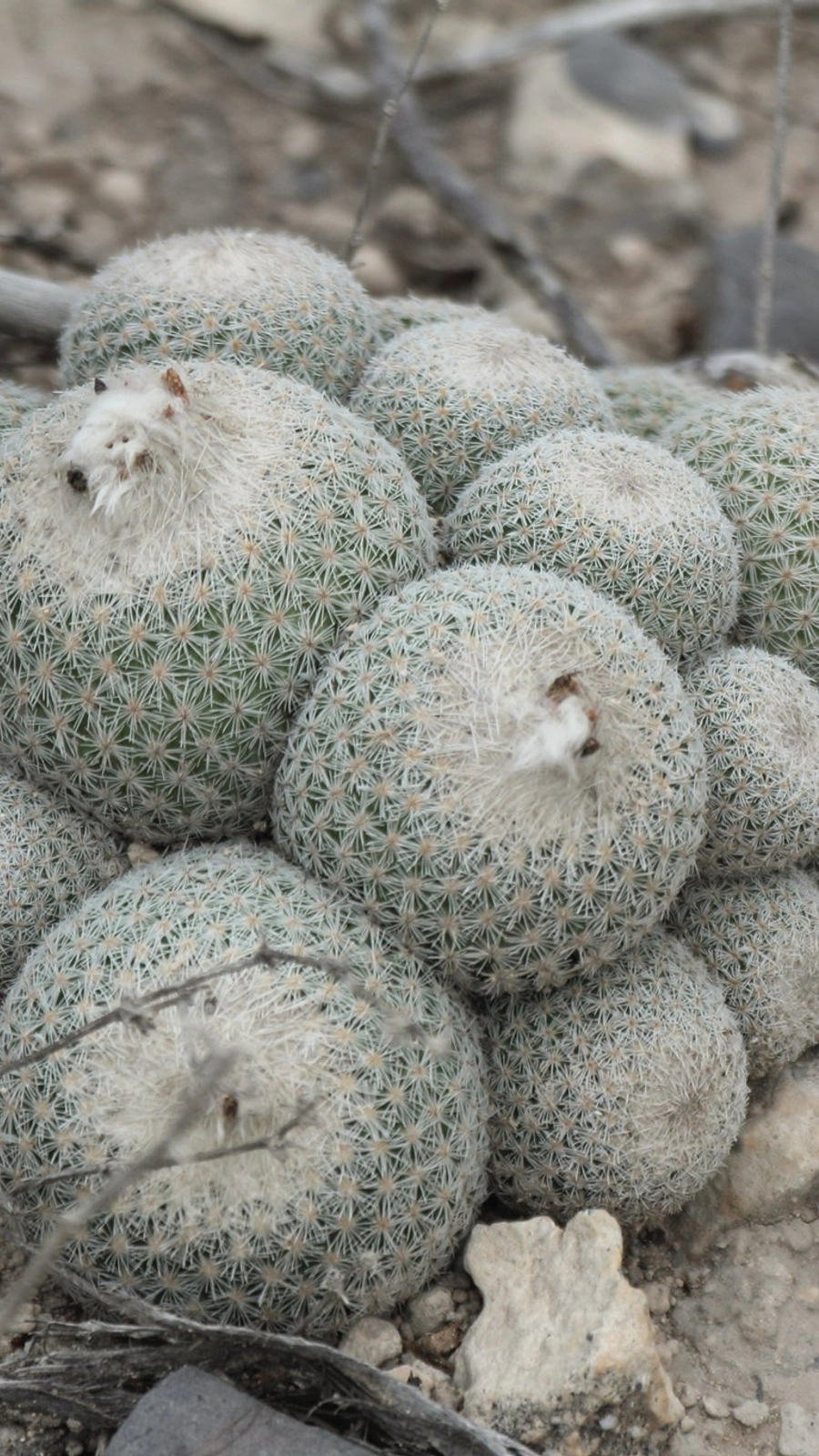 Reference image
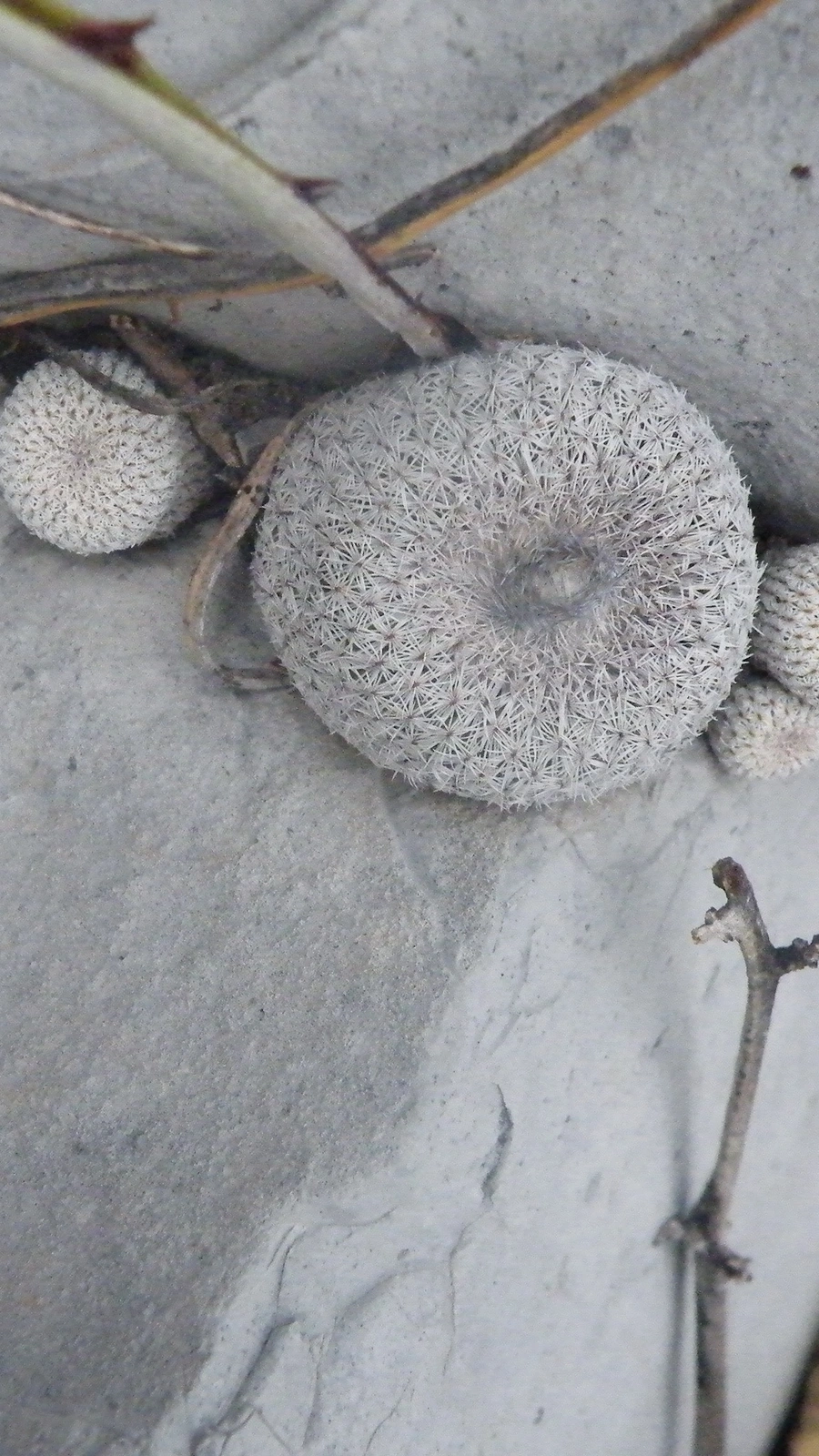 Reference image
Gregg's Button Cactus
Epithelantha greggii is a miniature, slow-growing succulent subshrub belonging to the Cactaceae family 1. Known for its densely packed, white spination, it forms small, button-like globose stems that blend beautifully with gravelly soils in its natural habitat.
Named in honor of the botanical collector Josiah Gregg, this species was historically categorized as Epithelantha micromeris var. greggii 2. Modern taxonomy recognizes its distinct characteristics, including its thicker spine density and larger clustering habit.
Native to northeastern Mexico, including Coahuila, Nuevo León, and San Luis Potosí 1. It thrives in semi-arid desert biomes, typically growing on limestone hills, rocky crevices, and gravelly slopes where water drains instantly.
The stem is globose to shortly cylindrical, covered in fine, overlapping ash-white spines that provide excellent sun protection. During spring, it produces tiny pinkish-white flowers at the apex, followed by bright red, club-shaped ornamental fruits 2.
In cultivation, Epithelantha greggii requires maximum light exposure and highly porous mineral soils. It is cold hardy down to mild freezing temperatures if kept entirely dry during the winter dormancy period.
The most critical error is overwatering or using soil mixtures with high organic content (such as peat). Lack of air circulation combined with wet soil rapidly triggers root rot and stem decay.
Requires very bright, filtered sun. Intense afternoon sun should be monitored to prevent scorching in extreme heat.
Extremely sensitive to overwatering. Water thoroughly only after the soil has dried out completely.
Very gritty, mineral-heavy substrate with minimal organic matter. Add limestone grit for best results.
Non-toxic to pets, but the dense, fine spines can cause skin irritation; handle with care or tweezers.
Moderate. Demands strict watering discipline and a proper mineral substrate to avoid root rot.
Native to the dry, limestone-rich desert hills of northern and central Mexico, where it grows tucked among rocks and gravel.
