
Light
Bright Indirect Light
Bright indirect light or filtered sun; tolerates some direct morning sun.
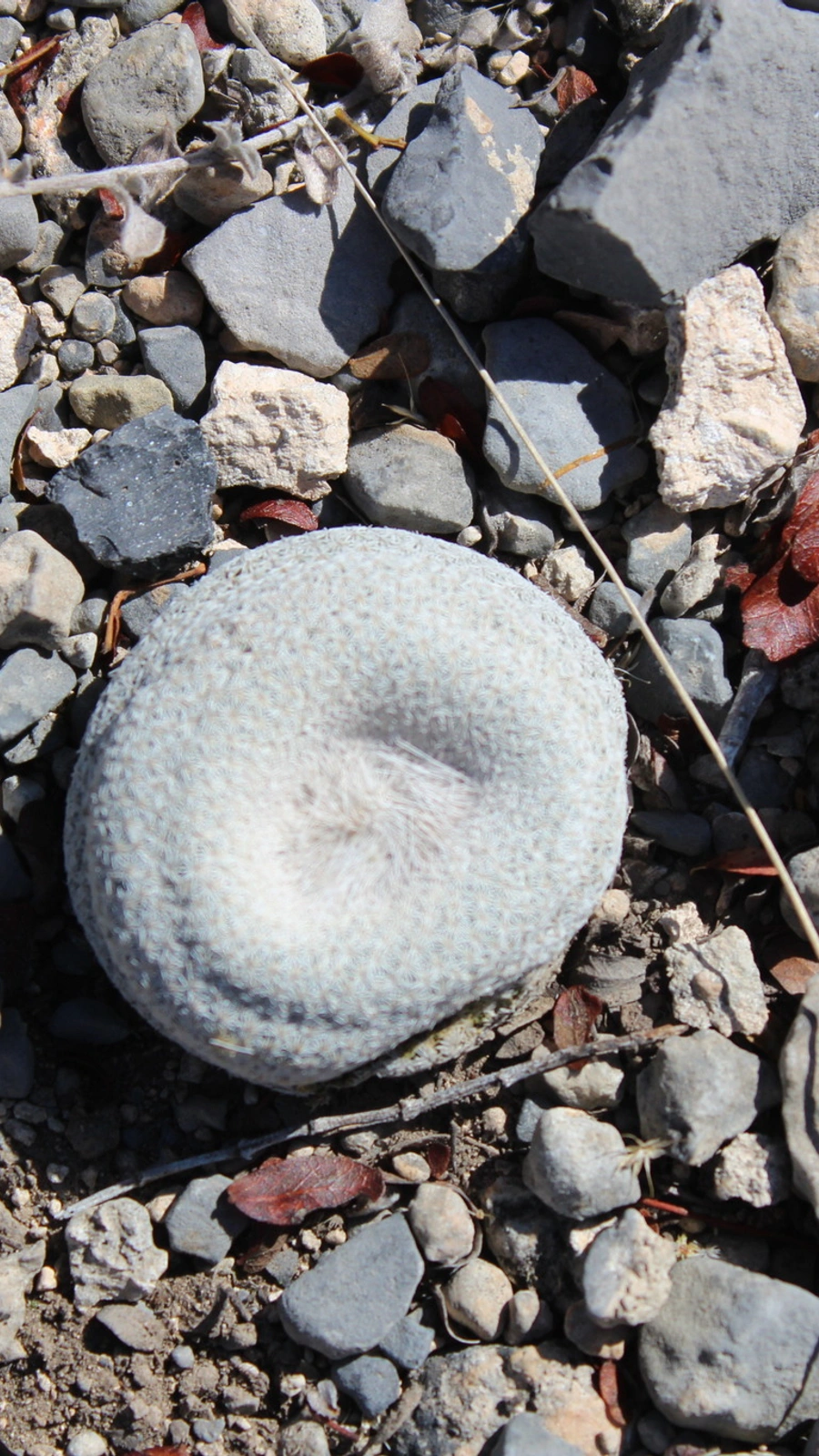 Reference image
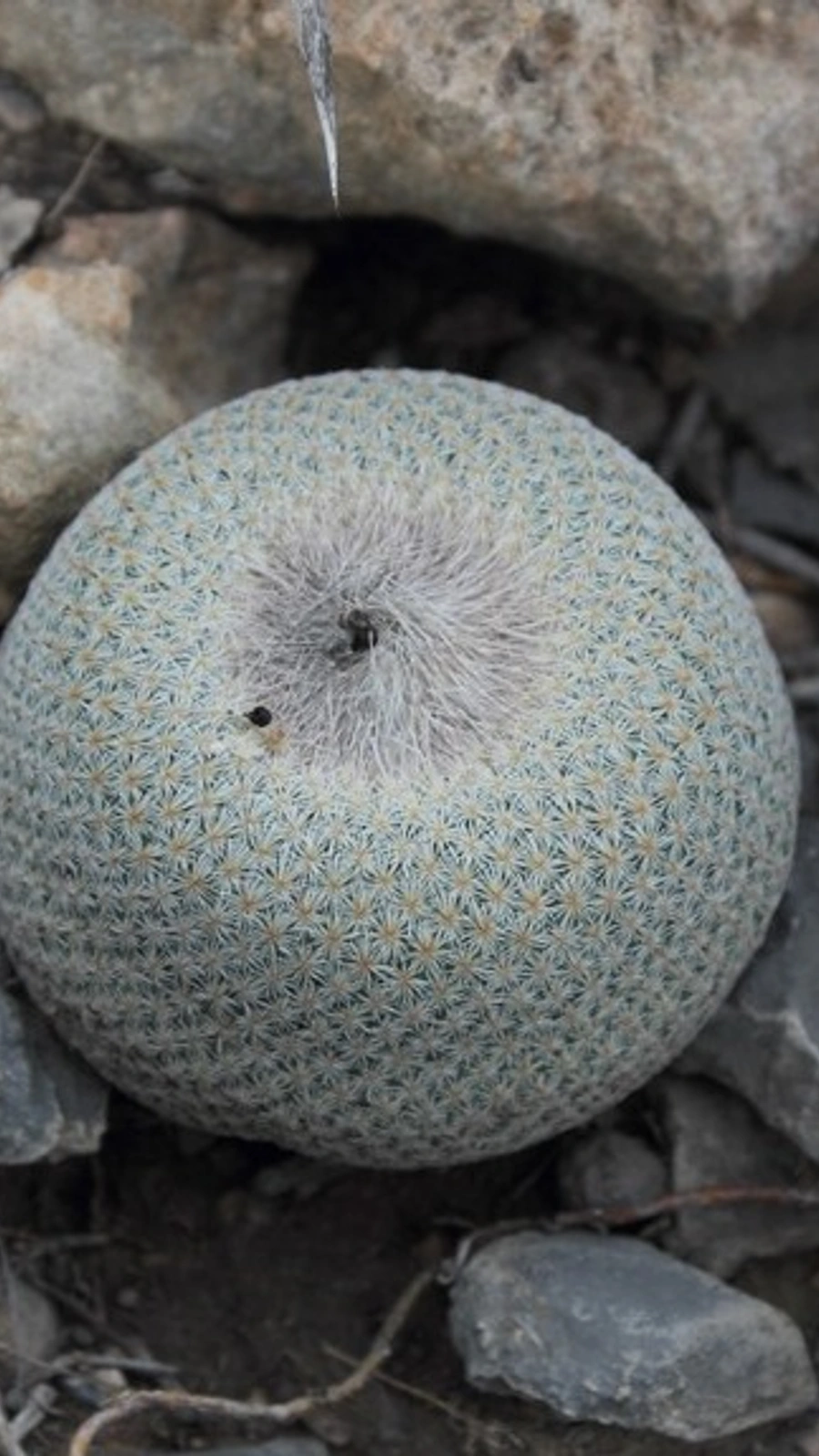 Reference image
Ilaria's Button Cactus
Epithelantha ilariae is a highly sought-after miniature succulent subshrub belonging to the Cactaceae family. Renowned among succulent enthusiasts, this species is characterized by its compact, globose body and dense covering of tiny white spines 1.
Classified within the genus Epithelantha, E. ilariae is closely related to the common button cactus (Epithelantha micromeris). However, it is distinguished by specific floral characteristics, seed morphology, and subtle spine arrangements. The specific epithet honors Ilaria, commemorating contributors to Mexican botanical field research 2.
Native to northeastern Mexico, including states like Coahuila, Nuevo León, and San Luis Potosí, this species thrives in arid deserts and dry shrublands. It is predominantly found growing in limestone crevices, rocky slopes, and under the light shade of desert scrub 1.
The stem is spherical to short-cylindrical, typically measuring 2-5 cm in diameter. The body is completely obscured by a dense matrix of small, white, appressed spines radiating from tiny tubercles. During late spring, it produces minute, funnel-shaped pinkish-white flowers from the apex, followed by elongated, decorative bright-red fruits 2.
In cultivation, it requires an extremely porous, mineral-based potting substrate with superb drainage. Adding limestone grit to the potting mix helps replicate its natural wild environment. Watering should follow a strict soak-and-dry method during summer, and must be entirely suspended during winter dormancy 1.
The most prevalent issue is root rot induced by overwatering or compacted soil. Additionally, insufficient lighting causes the plant to become etiolated, stretching towards light sources and losing its neat, compact globe shape and dense white spination 2.
Bright indirect light or filtered sun; tolerates some direct morning sun.
Strict soak-and-dry method. Keep completely dry during the winter dormancy.
Extremely free-draining, mineral-based cactus soil with limestone additives.
Non-toxic to pets and humans, but handle with care due to dense, fine spines.
Moderate; demands strict watering discipline and excellent soil drainage.
Found natively across the high-altitude limestone hills and gravelly deserts of northeastern Mexico, enduring extreme drought and intense sunlight.
