
Light
Bright Indirect Light
Prefers abundant, bright, filtered sunlight; protect from intense, direct afternoon sun.
 Reference image
 Reference image
Potosi Button Cactus
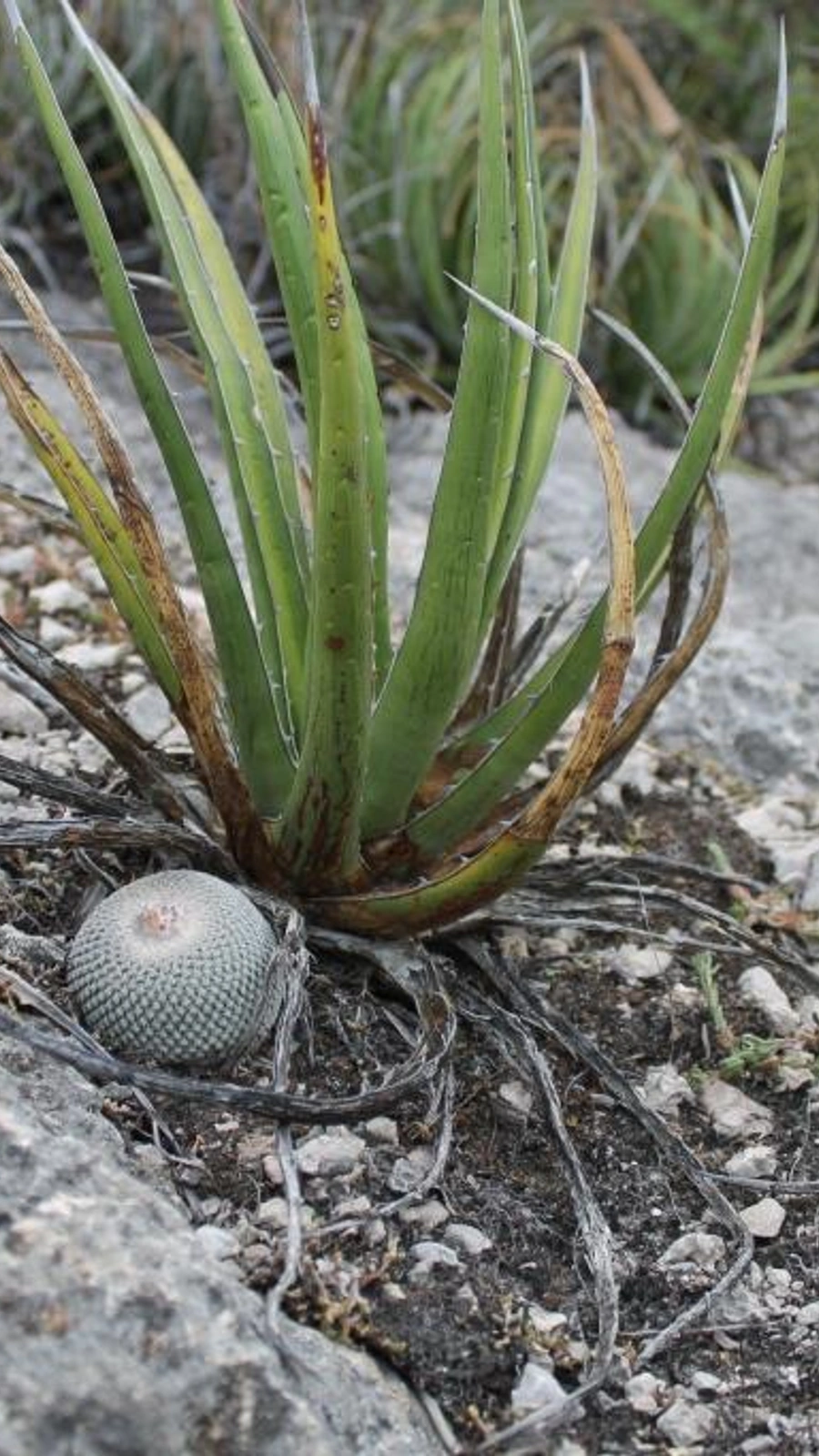
Epithelantha potosina is a highly prized miniature cactus within the family Cactaceae. In its native habitat, this succulent subshrub grows almost flush with the ground, showing exquisite morphological adaptations to survive the harsh limestone terrains of semi-arid regions 1.
Belonging to the genus Epithelantha, this species was historically treated as a subspecies of Epithelantha micromeris (subsp. potosina). However, modern taxonomic consensus and morphological studies have elevated it to a distinct species 2. The generic name derives from Greek meaning 'flowers on the nipple,' referencing the apical position of the blooms on tubercle tips.
Epithelantha potosina is endemic to northeastern Mexico, particularly occurring in Coahuila, Nuevo León, and San Luis Potosí 1. It thrives in desert or dry shrubland biomes, strictly growing on limestone slopes, gravelly flats, and rocky crevices at higher elevations.
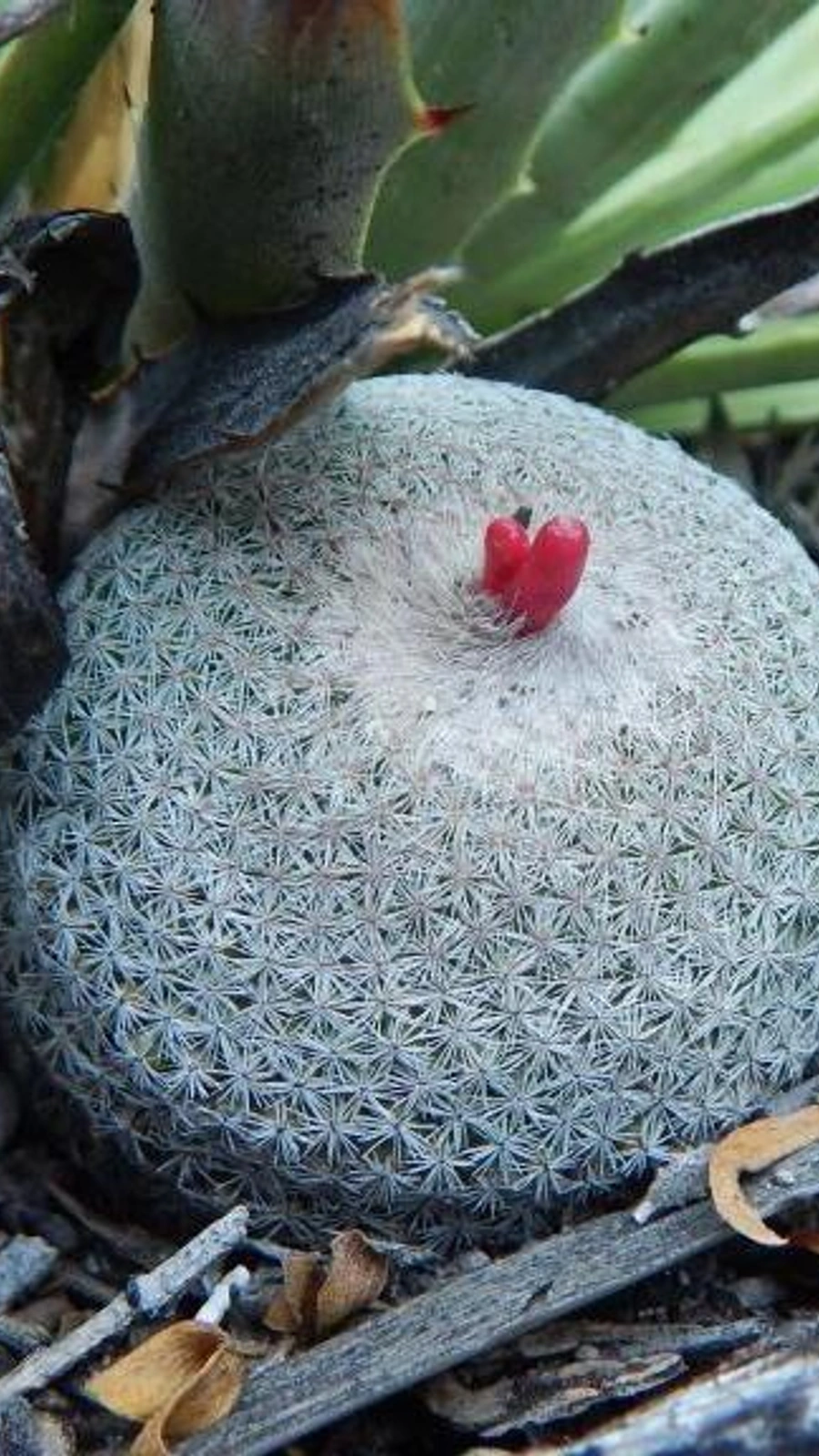
The stem is globose to slightly depressed-cylindrical, densely covered by fine, chalky-white spines. This dense spination creates a highly reflective surface protecting the plant from intense solar radiation. Small, delicate pinkish-white flowers arise from the apex, followed by showy, bright red, elongated fruits.
In cultivation, it requires an extremely porous, mineral-rich substrate containing limestone grit. Since it is highly susceptible to root rot, watering must be executed only when the medium is thoroughly dry 2. Winter dormancy requires keeping the plant completely dry.
The most prevalent issue is overwatering or using organic-heavy soils, which leads to rapid root collapse. Insufficient light results in etiolation, stretching the spherical stems and thinning the dense protective spine cover.
Prefers abundant, bright, filtered sunlight; protect from intense, direct afternoon sun.
Water only when the substrate is completely dry. Keep fully dry during cold winter months.
Highly mineral substrate enriched with limestone grit, gravel, and pumice, with minimal organic matter.
Non-toxic to pets, but has numerous tiny, dense spines that require careful handling.
Moderate difficulty. Requires discipline with watering; very unforgiving of damp soils.
Naturally distributed across the high-elevation limestone hills and rocky slopes of northeastern and central Mexican deserts, growing in highly mineral, calcium-rich soils.
