
Light
Filtered Sun
Requires bright, filtered sunlight; protect from scorching midday summer sun.
 Reference image
 Reference image
Beautiful Button Cactus
Epithelantha pulchra is a highly prized miniature cactus species within the Cactaceae family, renowned for its diminutive size and elegant appearance 1. Its body is densely shrouded in fine, white spines that function as a natural shield against intense desert sunlight.
Classified under the genus Epithelantha, this species shares a close morphological relationship with the Epithelantha micromeris complex 1. The specific epithet 'pulchra' derives from Latin, meaning 'beautiful' or 'fair'. It is commonly referred to in cultivation as a button cactus.
This species is native to the arid semi-desert regions of northern and central Mexico, including Coahuila, Nuevo León, San Luis Potosí, and Durango 2. In its natural habitat, it thrives on limestone hills, rocky crevices, and gravelly slopes, often growing under the protective shade of larger desert shrubs.
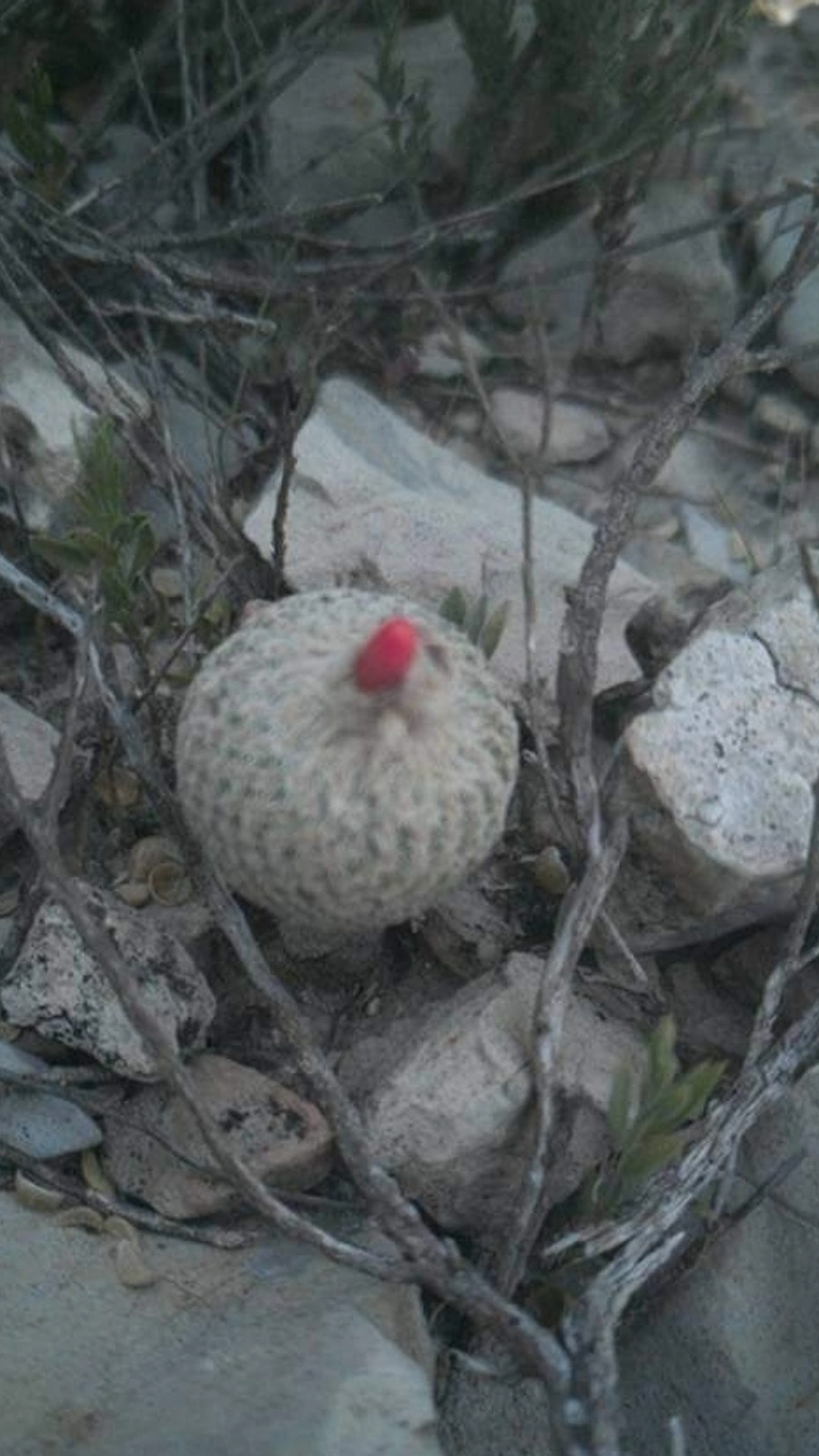
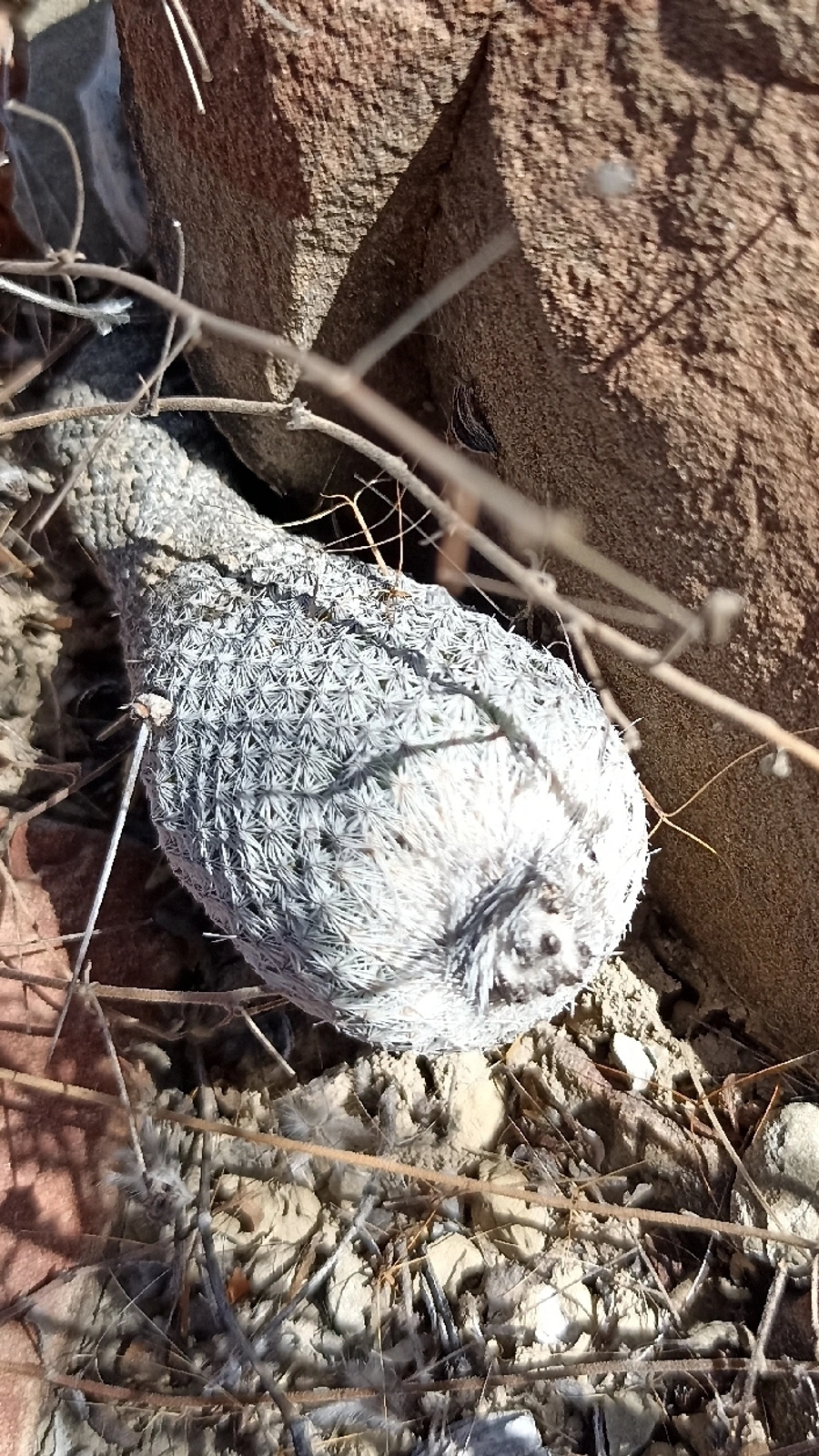
Epithelantha pulchra is a small, globose to cylindrical succulent subshrub that grows solitary or in small clumps. The stem is entirely concealed by numerous overlapping, ash-white radial spines. In late spring, small, delicate pink or cream-colored flowers emerge from the woolly apex, followed by bright red, decorative cylindrical fruits.
In cultivation, this cactus requires a highly porous, mineral-based substrate. To prevent root rot, the potting mix should be enriched with plenty of pumice, lava rock, and limestone grit 2. Watering should be performed thoroughly during the spring and summer only when the soil has dried out completely. Watering must be entirely suspended during the winter.
The most frequent mistake is watering during the winter dormancy period or keeping the plant in poorly ventilated, low-light environments, which quickly leads to root rot and etiolation.
Requires bright, filtered sunlight; protect from scorching midday summer sun.
Water only when the substrate is fully dry; keep bone dry during winter.
Requires excellent drainage; use a mineral-heavy mix with limestone and pumice.
Non-toxic, but the dense, fine spines can cause minor physical skin irritation.
Moderate difficulty due to strict watering needs and rot susceptibility.
Native to the arid highlands of northern and central Mexico, growing primarily in gravelly limestone soils and rocky outcrops across Coahuila, Nuevo León, and San Luis Potosí.
