
Light
Bright Indirect Light
Prefers bright, indirect light or filtered morning sun. Avoid scorching afternoon direct sunlight.
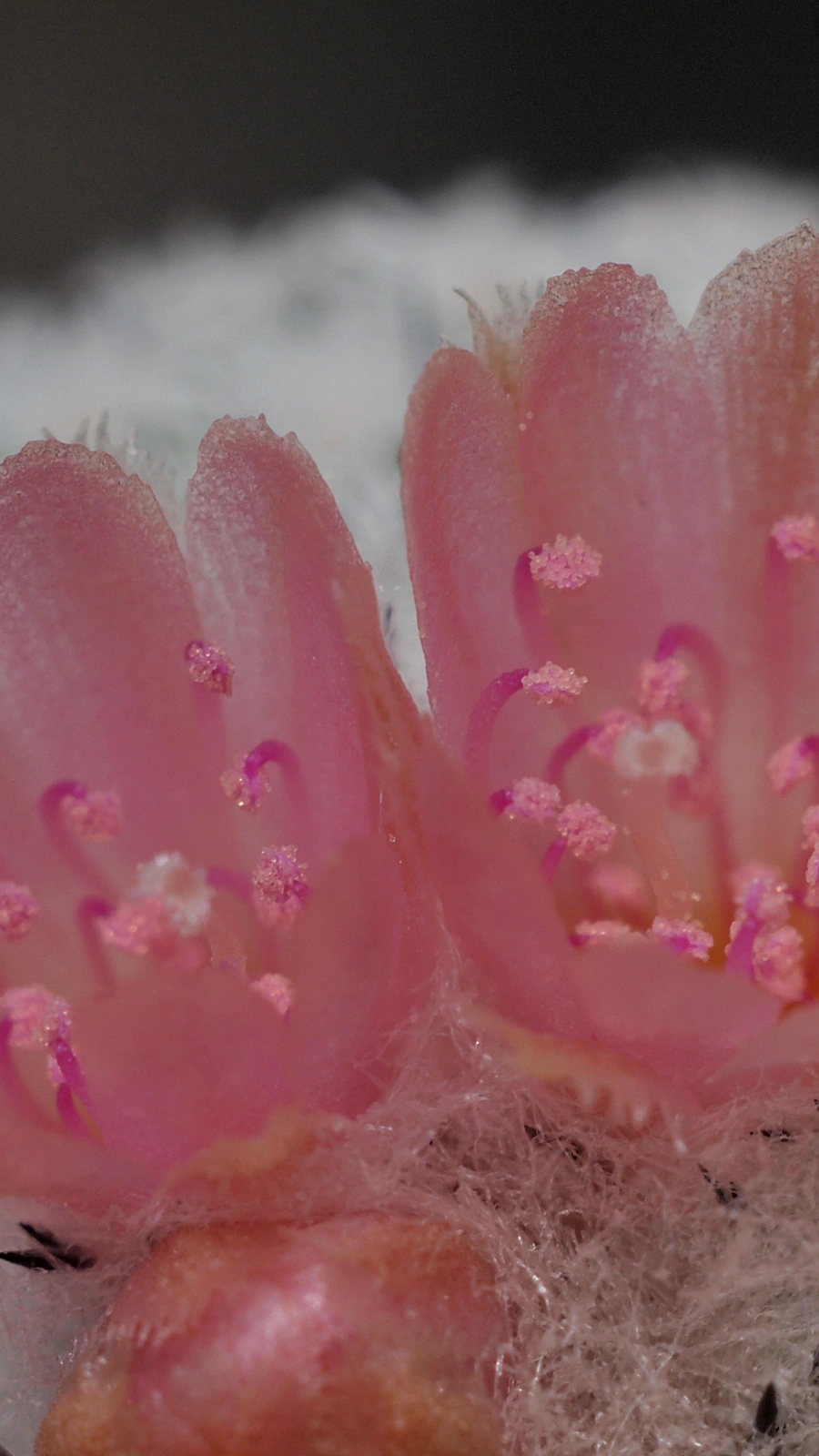 Reference image
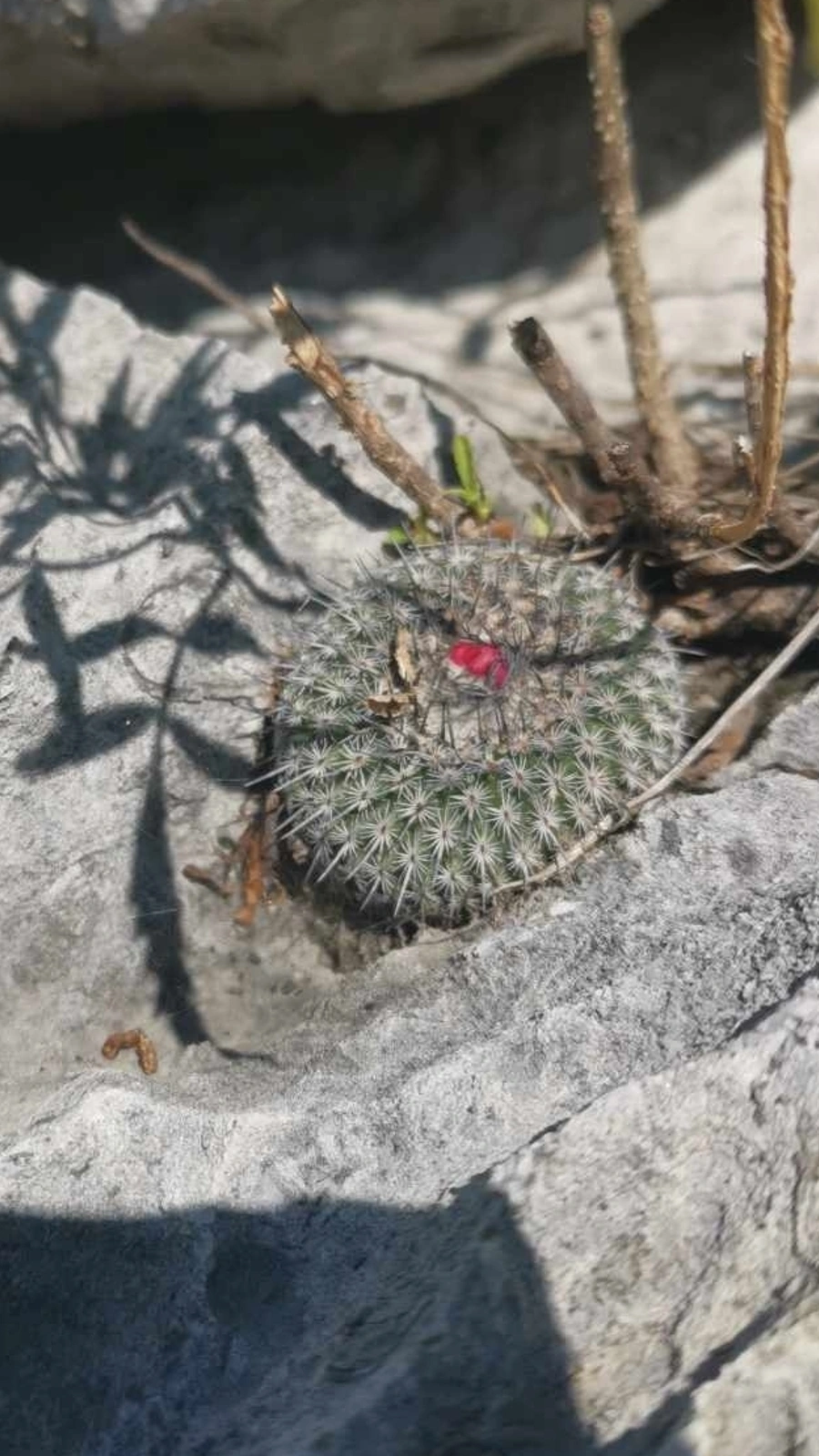 Reference image
Epithelantha spinosior is a miniature globose cactus species belonging to the Cactaceae family. Renowned among succulent enthusiasts, this plant is characterized by its extremely dense spine cover and symmetric growth pattern.
Belonging to the genus Epithelantha, this species is closely allied with the Epithelantha micromeris complex 1. The specific epithet "spinosior" refers to its relatively more robust and denser spine arrangement compared to other members of the genus.
This species is native to northern Mexico, with confirmed populations in Coahuila, Nuevo León, San Luis Potosí, and Durango 2. It typically grows on steep limestone hills, nestled within crevices in arid deserts and dry shrublands, often shaded by larger rocks.
The stem is globose to shortly cylindrical, usually reaching 2-5 cm in diameter. It is completely obscured by numerous white to grayish-white radial spines. In spring, tiny pinkish-white flowers emerge from the woolly apex, followed by bright red, elongated ornamental fruits.
In cultivation, it requires a highly porous, mineral-based substrate mixed with limestone chippings to mimic its native habitat 3. It thrives in bright, indirect light or filtered sun. Watering should be applied sparingly and only when the potting mix is thoroughly dry.
The most prevalent error is using standard soil mixes that retain water, leading to rapid root rot. Overwatering during the winter dormancy period and lack of ventilation are also common causes of decline.
Prefers bright, indirect light or filtered morning sun. Avoid scorching afternoon direct sunlight.
Allow the potting medium to dry out completely before watering. Suspend watering during winter.
Highly porous, low-organic mineral mix with added limestone gravel is ideal.
Non-toxic to pets, but the dense micro-spines can irritate skin; handle with tweezers or gloves.
Moderate care level due to its susceptibility to root rot from overwatering and slow growth rate.
Occurs naturally in northern Mexican states including Coahuila, Durango, and Nuevo León, where it inhabits steep limestone slopes and dry desert shrublands.
