
Light
Full Sun
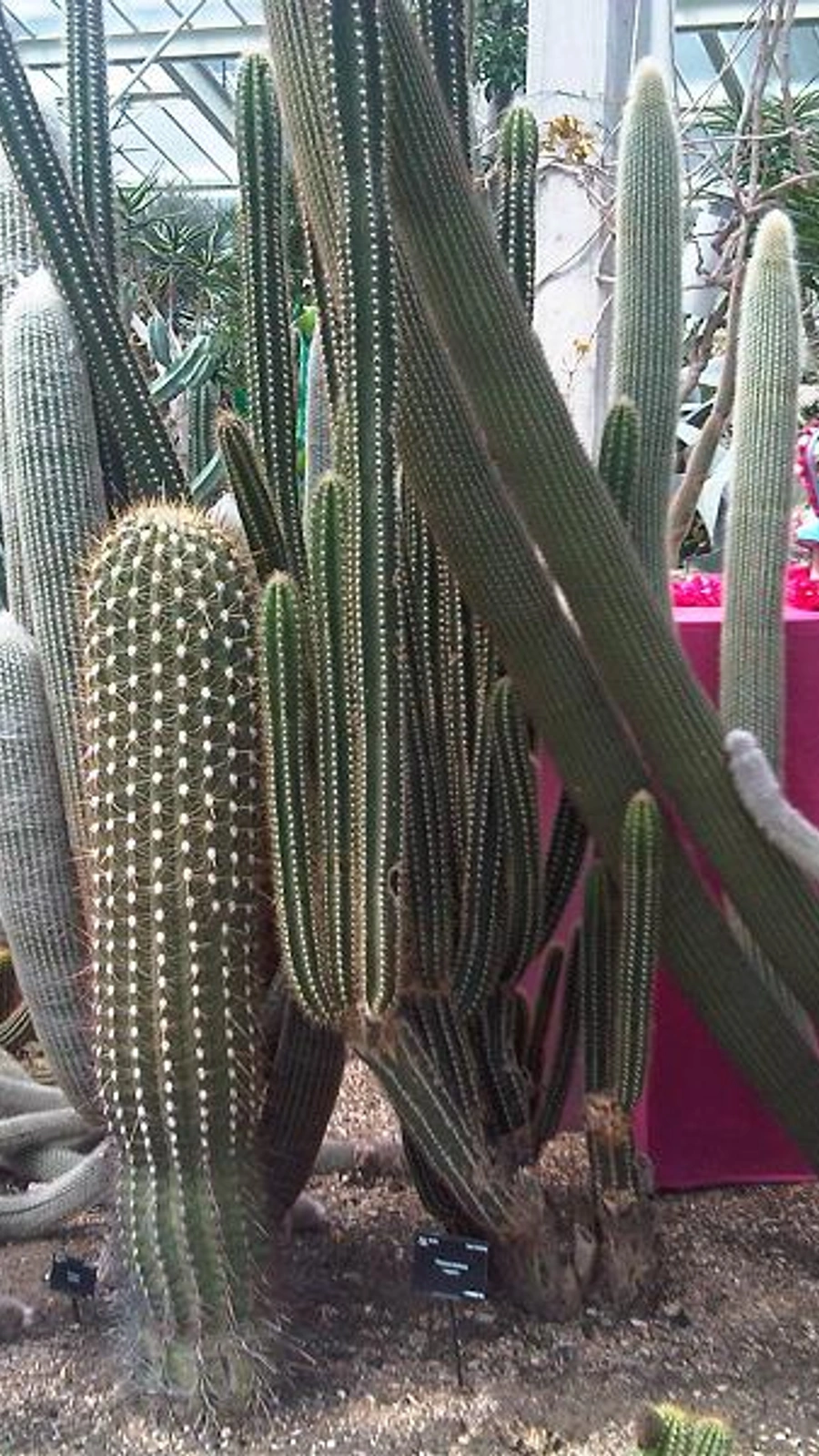
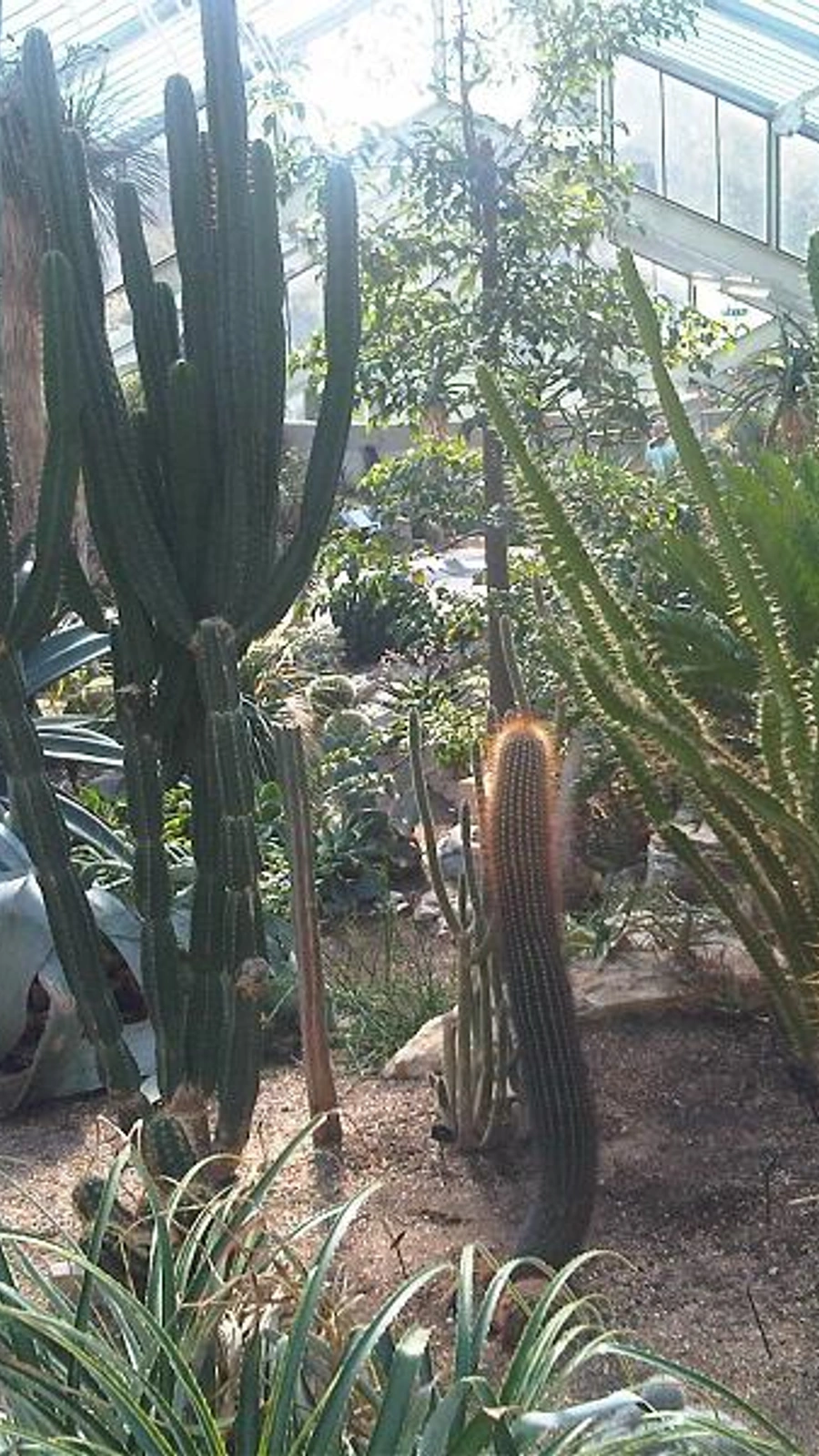
Requires full, direct sunlight to develop and maintain its iconic dense white woolly coat.
 Reference image
 Reference image
Giant Old Man Cactus
Espostoa gigantea is a spectacular columnar cactus belonging to the family Cactaceae, famous for its dense, wool-like white hair covering the stems. This hair acts as a natural sun and temperature shield. In its native habitat, it can reach impressive heights, making it a dramatic architectural plant 1.
The genus Espostoa honors Nicolas E. Esposto, a prominent Peruvian botanist. The specific epithet gigantea translates to "gigantic" in Latin, highlighting the species' potential to grow much larger than many of its close relatives 2.
This species is native to Western South America, particularly the dry Andean valleys of Peru 1. It is found growing on steep, rocky cliffs and dry slopes at elevations ranging from 800 to 2200 meters above sea level, where it endures high daytime heat and cool nights.
Espostoa gigantea forms thick, erect columns that branch from the base with age. The entire stem is densely covered in fine, white, silky hairs that mask the sharp spines beneath. In mature specimens, a lateral woolly cephalium develops from which nocturnal, funnel-shaped white flowers emerge.
In cultivation, this cactus requires maximum light exposure to maintain its dense white woolly coat. It should be grown in a highly porous mineral substrate and watered only when the soil is completely dry 2. Adequate ventilation is essential to keep the wool clean and dry.
Watering from above is the most common mistake; getting the woolly coat wet can trap moisture and trigger fungal rot. Overwatering in winter or placing the plant in low-light conditions leads to weak, elongated growth and root loss.
Requires full, direct sunlight to develop and maintain its iconic dense white woolly coat.
Water thoroughly only when the soil is completely dry in summer. Keep absolutely dry in winter.
Thrives in a highly mineral, gritty substrate with excellent drainage, such as a pumice-heavy mix.
The soft-looking white hair conceals very sharp spines underneath. Handle with care and keep away from pets.
Moderately easy if overwatering is avoided and sufficient bright light is provided year-round.
Naturally occurs on the arid and rocky slopes of the western Andes in Peru, thriving in high-elevation desert conditions with sharp temperature drops at night.
