
Light
Filtered Sun
Bright filtered sun or partial shade; protect from scorching midday sun.
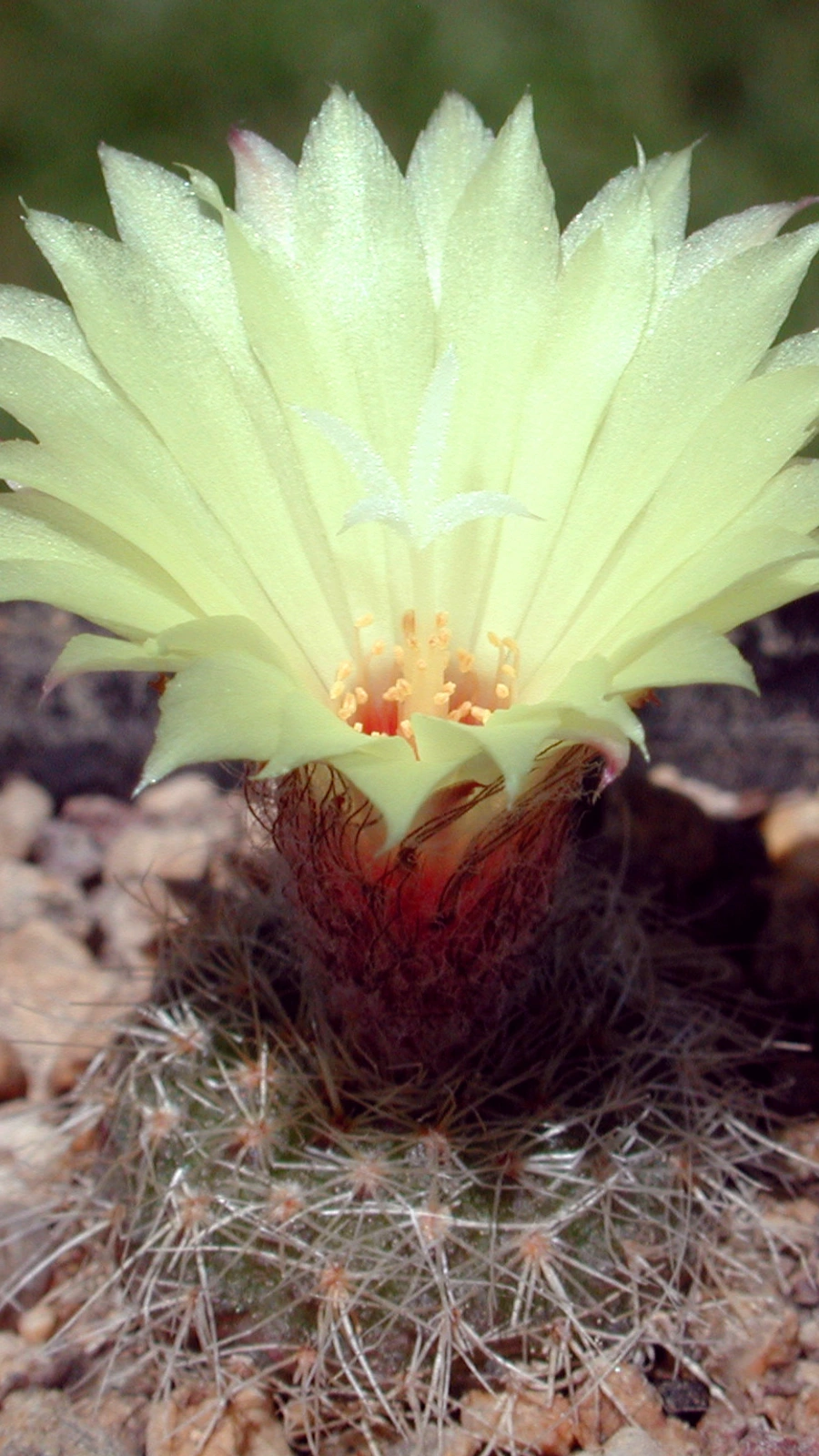 Reference image
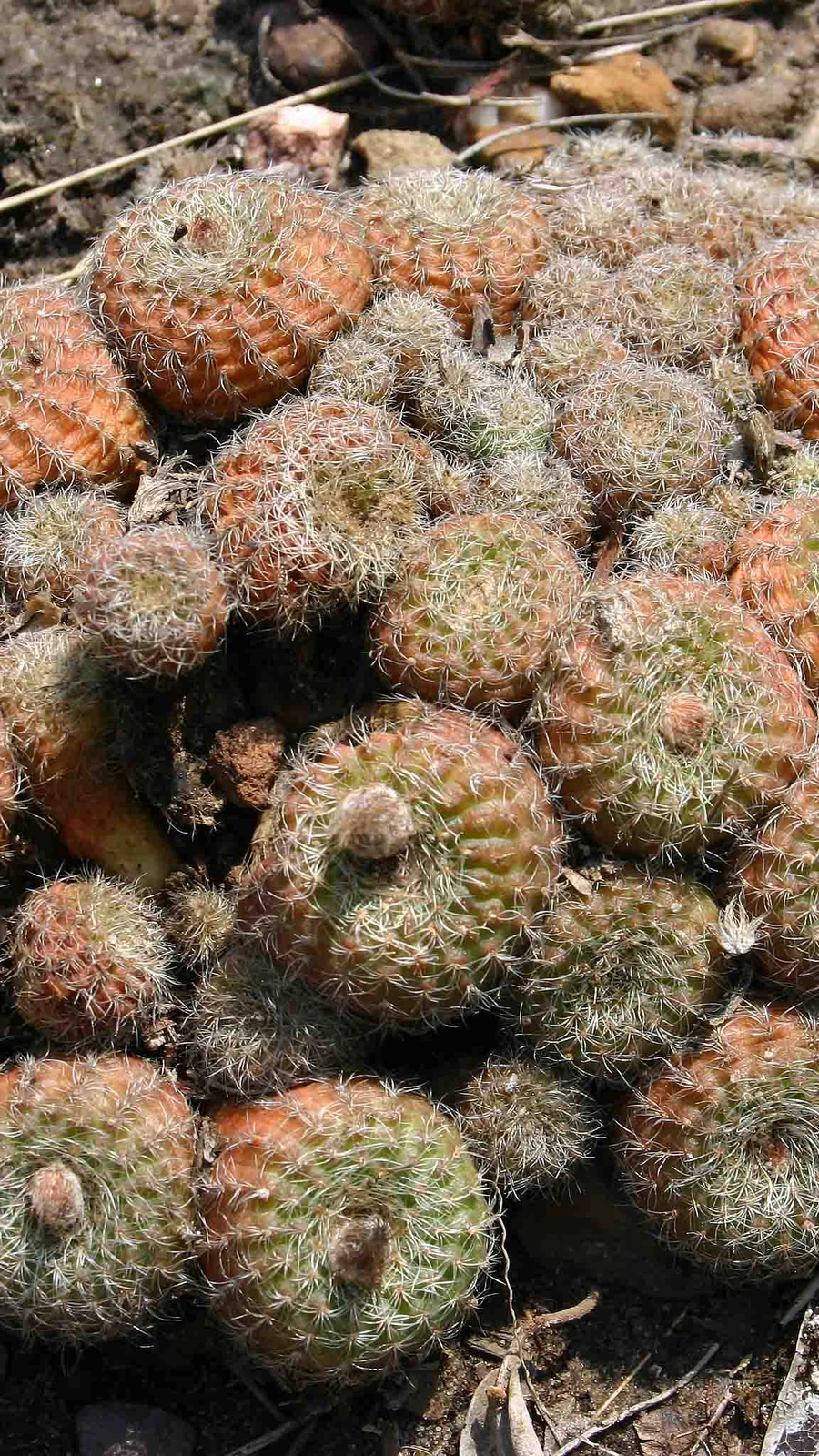 Reference image
Amerhauser's Frailea
Frailea amerhauseri is an extremely small, solitary-growing miniature succulent subshrub belonging to the family Cactaceae. Like most members of the genus Frailea, it is highly prized by collectors for its tiny size and fascinating cleistogamous (self-pollinating without opening) flowering behavior 1.
Named in honor of the prominent Austrian cactus expert Helmut Amerhauser, this species was formally described in the early 2000s. It shares close morphological affinities with Frailea castanea and Frailea cataphracta 2.
Native to southern South America, specifically in the Santa Cruz department of Bolivia, this cactus thrives in seasonally dry tropical biomes. It is usually found growing in gravelly soils, rocky outcrops, or tucked under the shade of small shrubs and grasses where it remains partially subterranean during dry periods 1.
The stem is globose to depressed-globose, rarely exceeding 3-4 cm in diameter, with a dark green, grayish-green, or brownish-purple hue. Ribs are low and flattened, bearing tiny areoles with short, appressed, non-pungent spines. The yellow flowers are relatively large compared to the body but open only in extremely hot, sunny weather; otherwise, they produce viable seeds cleistogamously.
In cultivation, it requires shallow pots to accommodate its fibrous root system and an extremely porous, mineral-based substrate. Water moderately during the warm growing season, allowing the medium to dry out completely, and keep absolutely dry and cool during winter dormancy 2.
Using standard, peat-heavy potting soils and overwatering are the leading causes of rot. Insufficient sun will cause etiolation and prevent the formation of buds.
Bright filtered sun or partial shade; protect from scorching midday sun.
Water dry soil in summer; keep completely dry during winter dormancy.
Extremely well-draining mineral mix with high pumice and sand content.
Non-toxic and has soft, harmless spines, making it pet-friendly.
Moderate; requires strict discipline with watering to prevent rot.
Native to the Santa Cruz region of Bolivia, living in seasonally dry tropical zones under sparse vegetation and nestled within fine gravelly soil.
