
Light
Filtered Sun
Enjoys bright, filtered light or partial shade; avoid harsh direct sun.
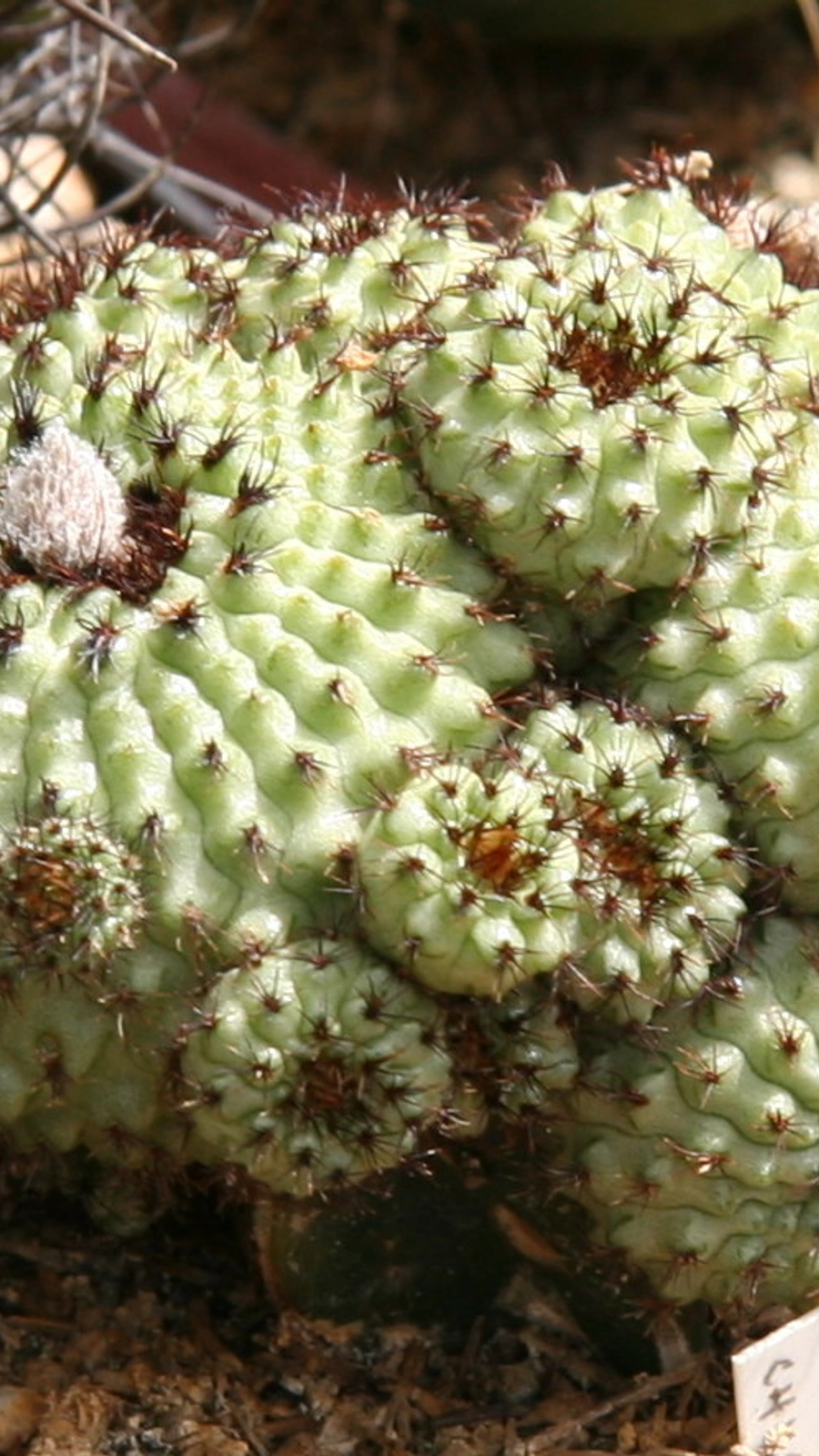 Reference image
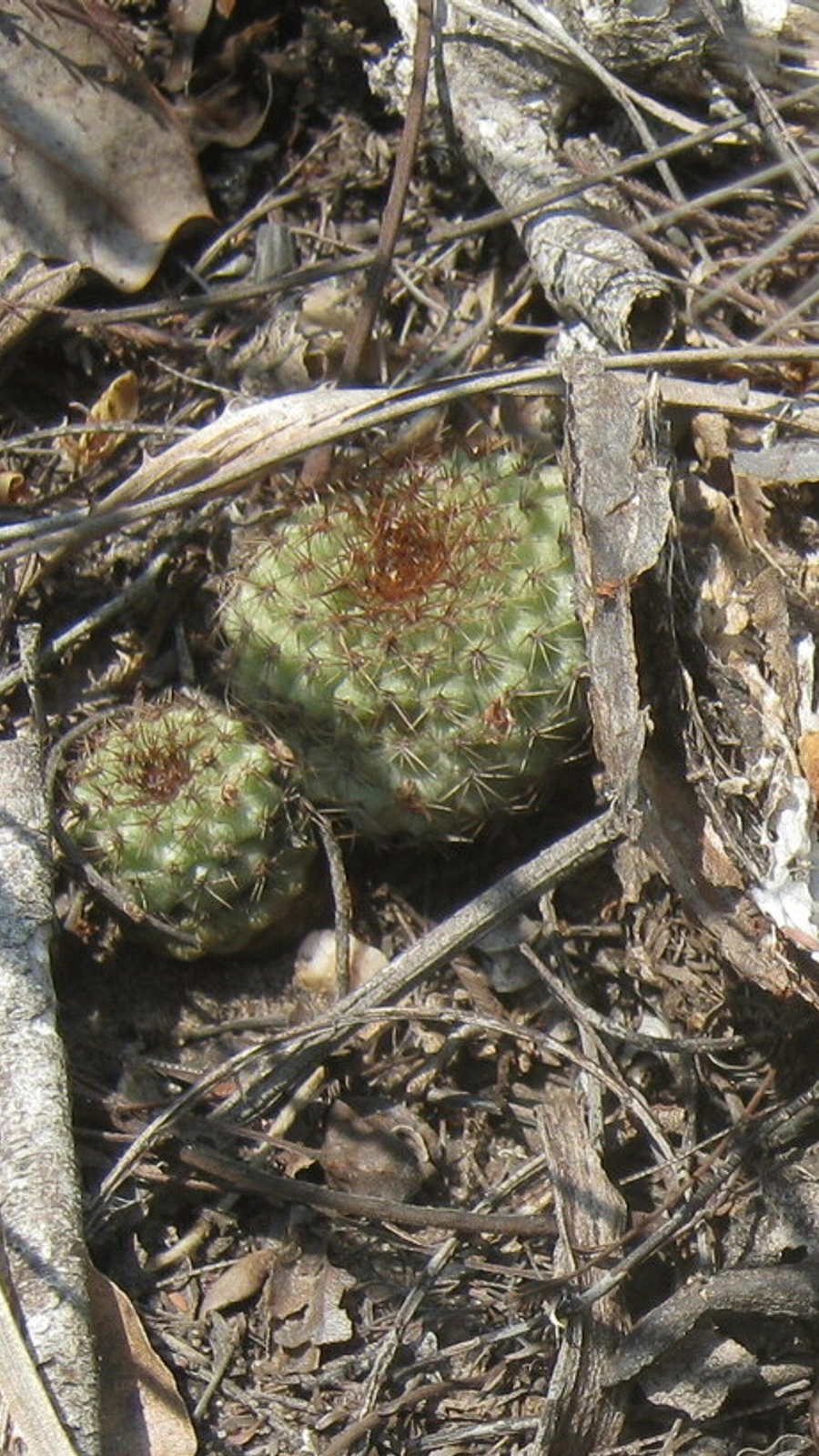 Reference image
Frailea Chiquitana
Frailea chiquitana is a miniature, globose to cylindrical succulent subshrub belonging to the family Cactaceae. Known for its extremely small size, this species is highly sought after by succulent collectors for its charming geometric structure and its fascinating cleistogamous flowering habit, where flowers can produce seeds without even opening 1.
Named after the Chiquitos province in Bolivia where it was originally discovered, Frailea chiquitana belongs to a genus famed for its tiny, globose cacti. It remains classified under the genus Frailea, with relatively few taxonomic synonyms due to its distinct localized characteristics 2.
This species is native to the seasonally dry tropical environments of Bolivia, specifically within the Chiquitos region 1. It thrives in shallow rocky soils, granite outcrops, and sandy patches where it finds shelter under low bushes or deciduous vegetation from the harsh tropical sun 2.
Frailea chiquitana features a small, dark green to bronze-tinted body with low, indistinct ribs. The areoles bear tiny, weak, appressed spines. Its flowers are funnelform, pale yellow, and often remain closed (cleistogamous), self-pollinating internally to produce abundant seeds inside small, bristly pods 1.
In cultivation, this plant prefers a partially shaded position rather than harsh afternoon sun. It requires a highly mineralized, free-draining soil mix with minimal organic matter. Water thoroughly when the substrate is completely dry during spring and summer, and keep dry in winter 2.
Overwatering is the primary cause of failure, quickly leading to root rot. Insufficient light causes the plant to stretch and lose its compact, globose shape 1.
Enjoys bright, filtered light or partial shade; avoid harsh direct sun.
Water only when soil is bone dry; keep completely dry in winter.
Highly mineral substrate with plenty of pumice, perlite, and coarse sand.
Non-toxic to pets, but handle with care due to small bristles/spines.
Requires moderate care due to strict watering and rot sensitivity.
Native to the dry tropical scrublands and rocky savannas of the Chiquitos province in Bolivia, often growing in shallow soil pockets on granite rocks.
