
Light
Filtered Sun
Bright, indirect light or filtered sun is ideal to prevent sunburn.
 Reference image
 Reference image
Curved-Spine Frailea
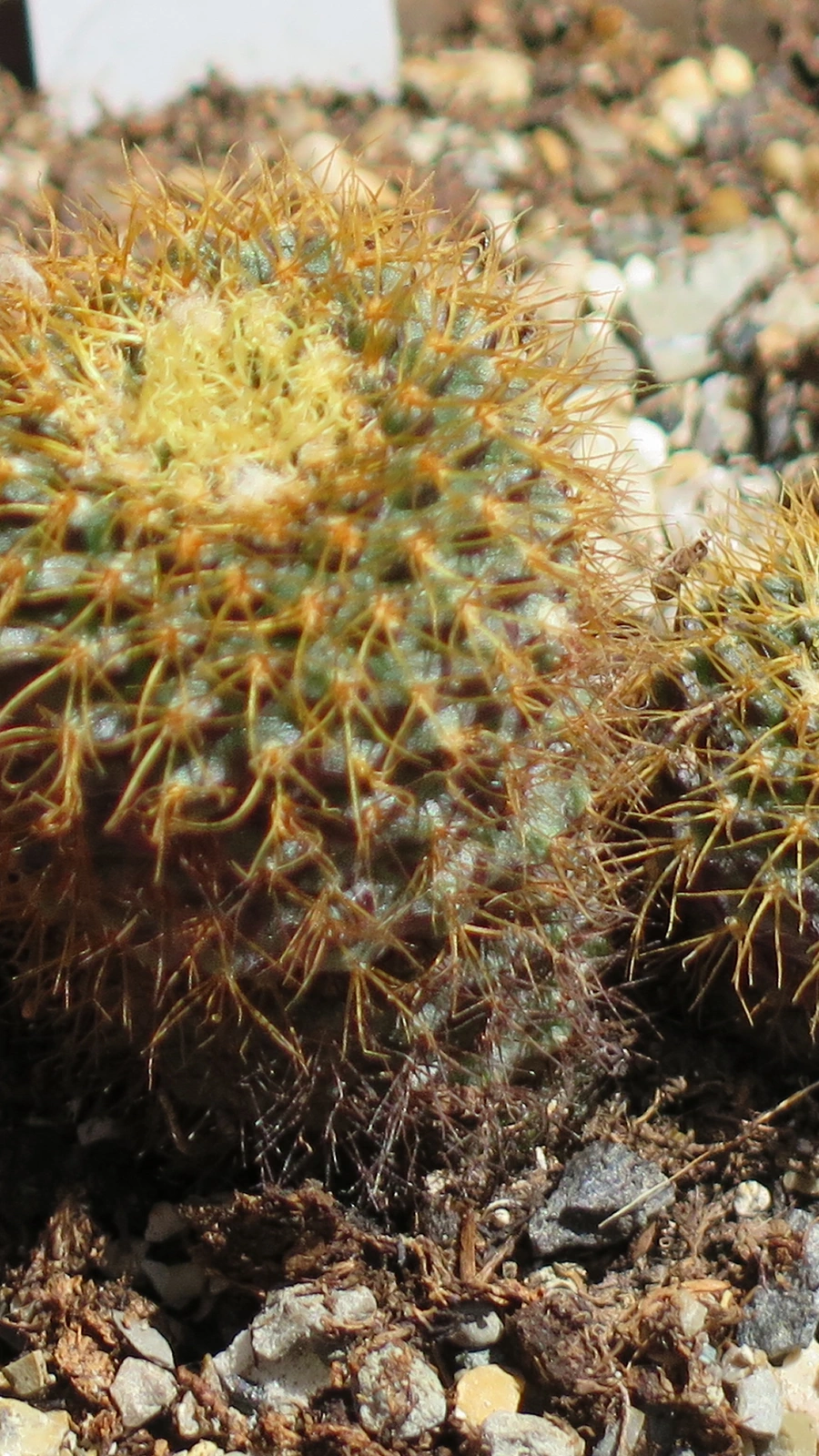
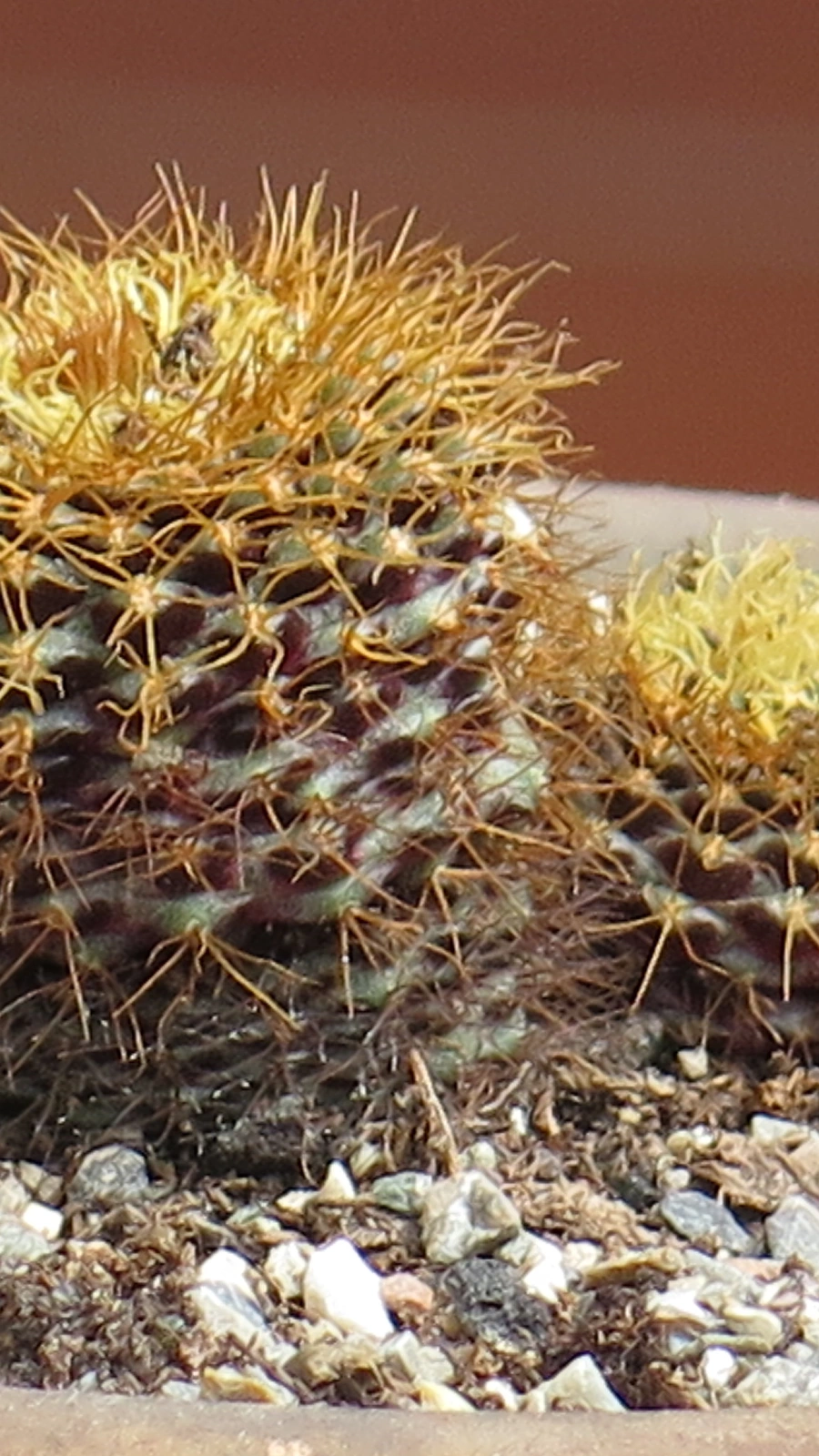
Frailea curvispina is a small-sized, globose succulent subshrub belonging to the family Cactaceae. It is highly valued among collectors for its compact growth habit and distinct spine morphology 1.
The genus Frailea was named in honor of Manuel Fraile, an American horticulturist. The specific epithet curvispina is derived from Latin, meaning "curved spines," referring to the way its radial spines curve slightly back toward the plant's stem 2.
This species is native to Southern America, particularly the southern regions of Brazil, including Rio Grande do Sul, Paraná, and Santa Catarina. In its natural habitat, it thrives in rocky crevices, gravelly soils, and grassy pampas.
The stem is solitary, globose to slightly cylindrical, often dark green to brownish-bronze. It features low ribs. The spines are fine, yellowish to brownish, and characteristically curved. The yellow flowers are often cleistogamous, meaning they self-pollinate and set seed without fully opening 1.
It prefers bright, filtered sunlight and should be shielded from intense afternoon sun. Growing it in highly porous, mineral-rich soil is essential. Water moderately during the summer when the substrate is dry, and keep it completely dry and cool in winter.
Overwatering is the primary cause of root and stem rot. Insufficient light leads to etiolation (stretching). Gardeners often mistakenly apply excessive fertilizer thinking the closed cleistogamous buds are failing to bloom.
Bright, indirect light or filtered sun is ideal to prevent sunburn.
Water only after the soil has dried out completely.
Requires extremely free-draining, grit-heavy mineral substrate.
Non-toxic to pets, though fine spines require gentle handling.
Moderately easy if you avoid overwatering, especially in winter.
Native to the grassy and rocky plains of southern Brazil, where it grows in thin layers of sandy soil.
