
Light
Filtered Sun
Enjoys bright, filtered sunlight; direct midday summer sun can scorch its dark skin.
 Reference image
 Reference image
Yellow-Spined Frailea
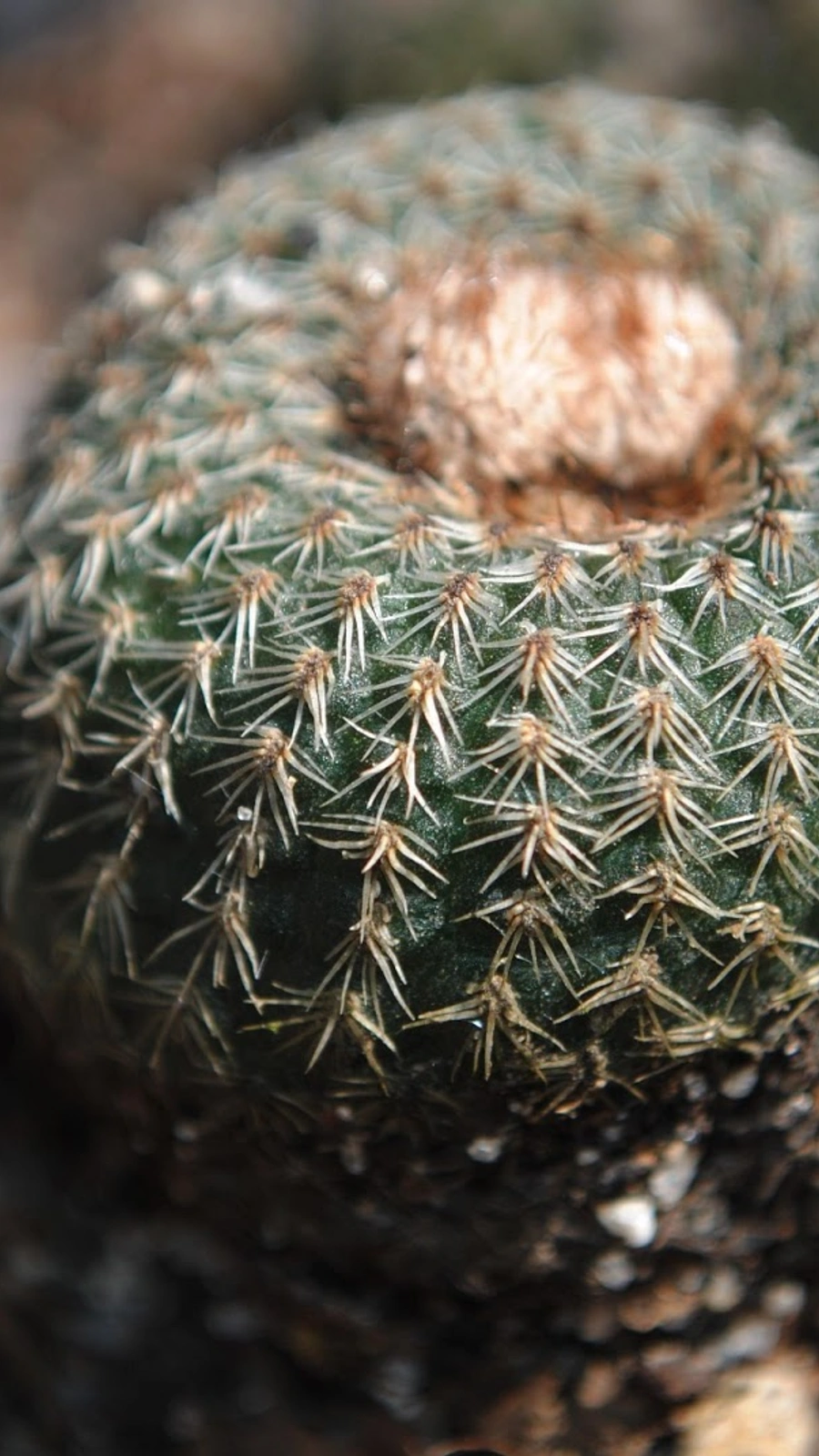
Frailea fulviseta is a highly sought-after miniature cactus species belonging to the family Cactaceae. It is prominent among succulent collectors for its dark, globose stem and fine, golden-brownish bristly spines 1.
Originally classified within the genus Frailea, its specific epithet 'fulviseta' is derived from Latin, where 'fulvus' means reddish-yellow or tawny, and 'seta' means bristle, accurately describing its unique spination 2.
This species is native to Southern America, specifically restricted to the southern states of Brazil, including Rio Grande do Sul, Paraná, and Santa Catarina. It thrives in subtropical climates, often growing in shallow rocky soils under the light shade of grasses 1.
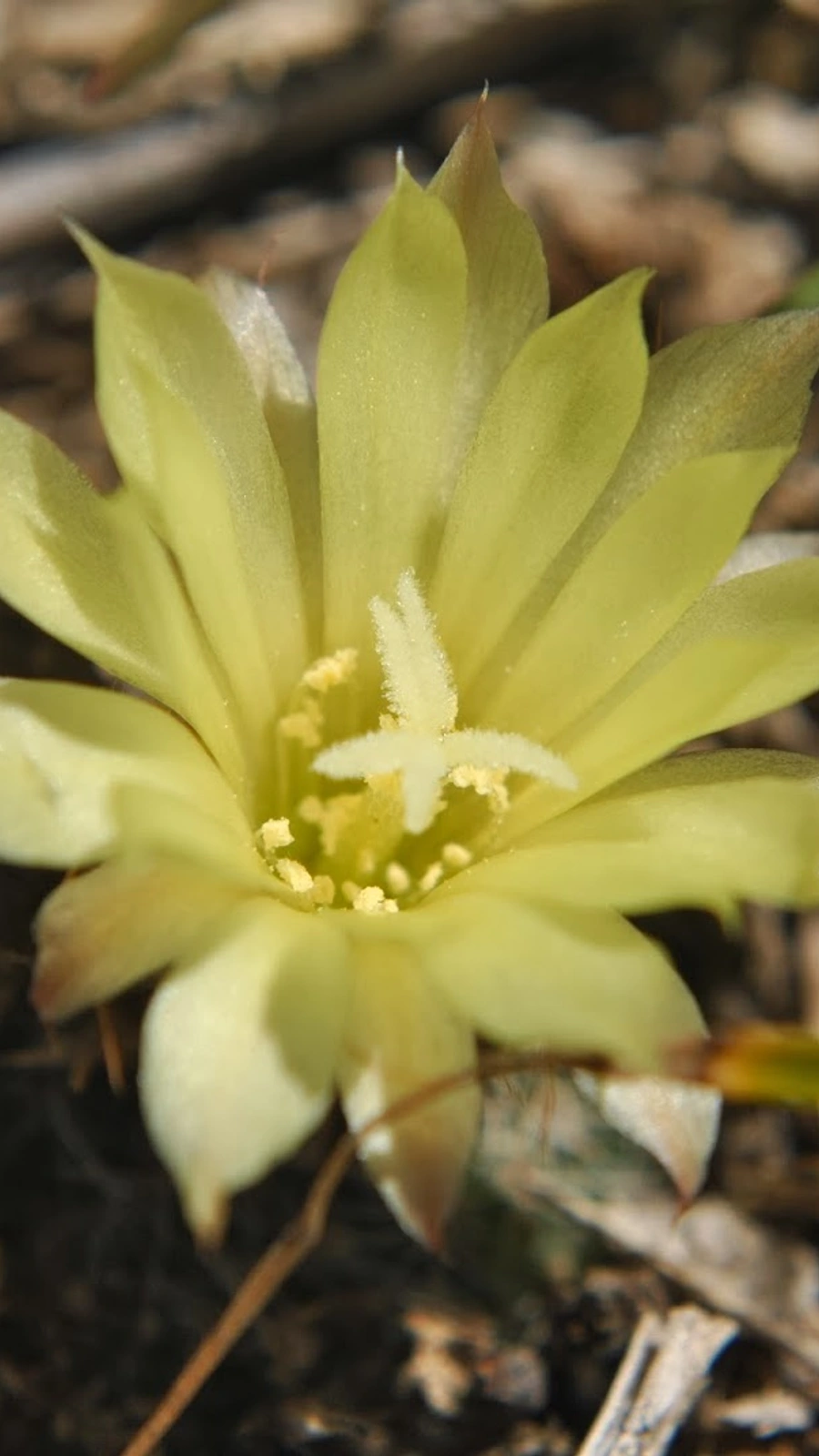
The stem is globose to short-cylindrical, rarely exceeding 4-5 cm in diameter. Its skin color ranges from deep dark green to purplish-bronze. The ribs are low and covered with closely set areoles from which soft, brush-like brownish-yellow spines emerge. It exhibits cleistogamous flowering, where seeds are set without the flowers fully opening, although beautiful yellow flowers may open under high temperatures 2.
It prefers bright, filtered light or partial shade, making it susceptible to scorching under intense direct summer sun. Unlike larger cacti, its shallow root system requires careful monitoring; soil should dry out between waterings but not remain bone-dry for extended periods during the active growing season. In winter, keep it cool and mostly dry.
Overwatering is the primary cause of failure, leading to rapid root rot due to the delicate root system. Insufficient light causes the stem to stretch (etiolate), losing its attractive compact shape.
Enjoys bright, filtered sunlight; direct midday summer sun can scorch its dark skin.
Water only after the soil has completely dried out; avoid prolonged moisture around the shallow roots.
Requires a highly porous, slightly acidic mineral mix with plenty of pumice and sand.
Non-toxic to humans and pets, and the spines are relatively soft, though gentle handling is advised.
Moderate care is needed to balance watering for its small body and delicate root system.
Found in the subtropical grasslands and rocky outcrops of Southern Brazil, where it grows in pockets of shallow soil sheltered by surrounding vegetation.
