
Light
Filtered Sun
Bright filtered or indirect light; shield from intense afternoon sunlight.
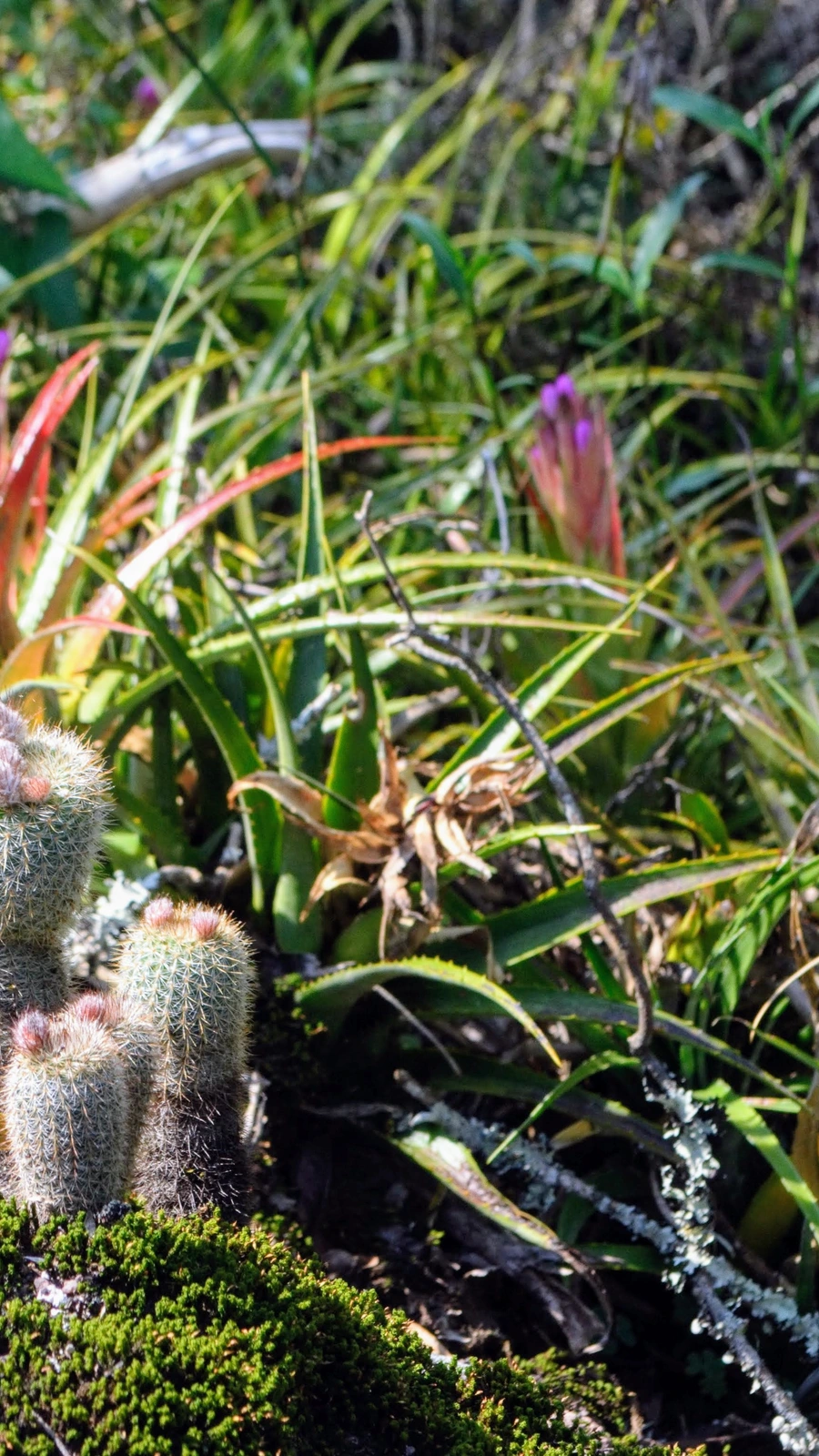 Reference image
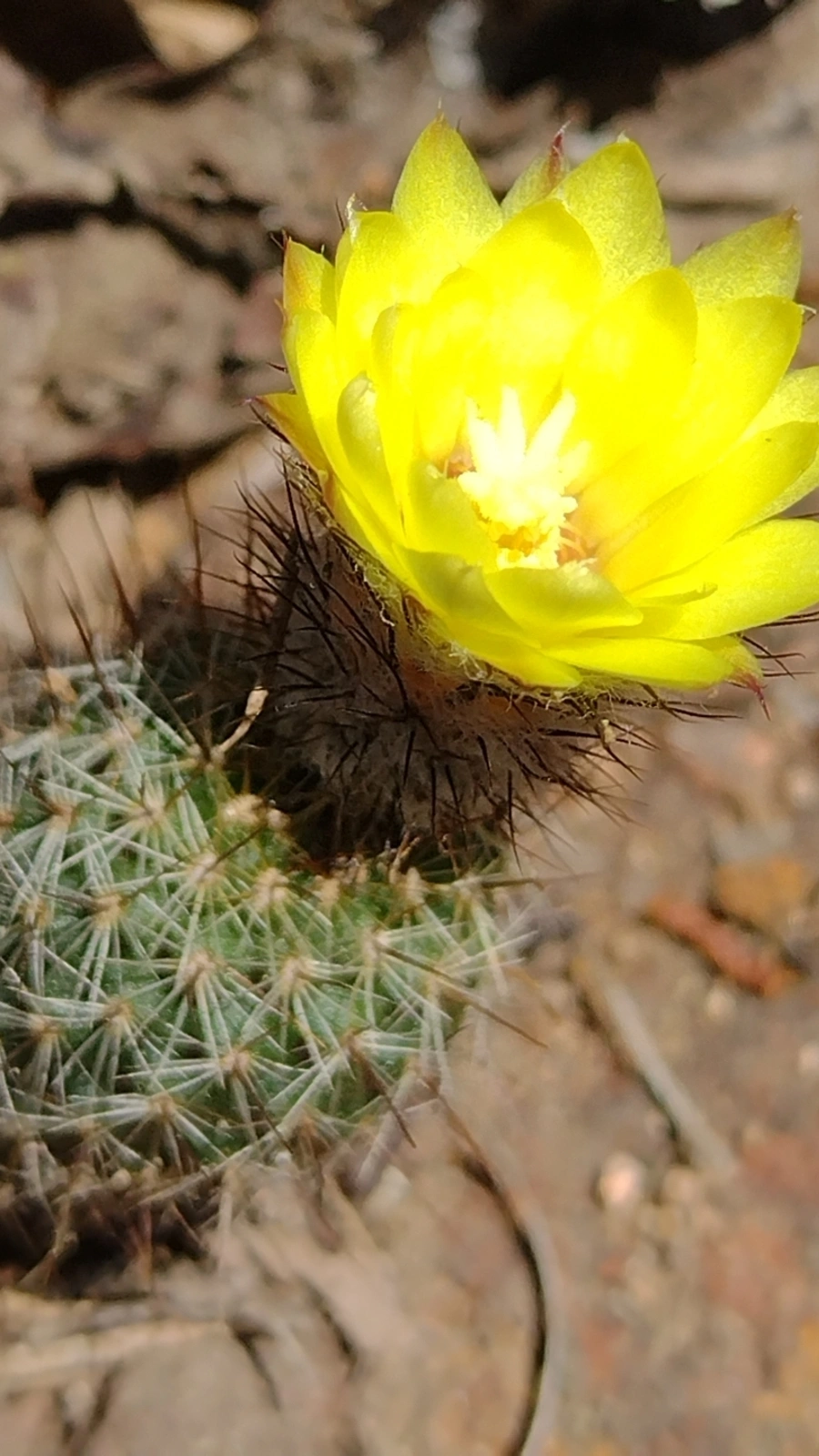 Reference image
Slender Frailea
Frailea gracillima is a miniature, highly sought-after succulent subshrub belonging to the Cactaceae family. Characterized by its small size and cylindrical growth habit, this species is fascinating to collectors due to its cleistogamous flowering mechanism, where flowers often self-pollinate without even opening 1.
The genus name honors Albert Manuel Friedrich, an expert in Paraguayan botany. The specific epithet 'gracillima' is derived from Latin, meaning 'extremely slender' or 'most graceful', referencing its delicate, neat rib and spine structures. It contains recognized infraspecific taxa like subsp. alacriportana 2.
Native to southern South America, Frailea gracillima thrives in subtropical biomes. It is found in southern Brazil (Rio Grande do Sul), Paraguay, Uruguay, and northeastern Argentina. It typically grows on rocky outcrops, stony grasslands, and shallow soils, often sheltered under larger vegetation or crevices.
The stem is dark green to grayish-blue, cylindrical, growing up to 10 cm tall and about 2.5 cm in diameter. It features 13 to 22 low, appressed ribs. Areoles carry tiny, pectinate yellowish to brownish spines that lay flat against the stem. The funnelform yellow flowers arise at the apex, but frequently set seed cleistogamously.
It requires a highly porous, mineral-rich substrate to prevent root rot. Watering should be done carefully during the active growing season (spring and summer) only after the soil has completely dried out. Bright, filtered light is preferred over harsh, direct afternoon sun.
Overwatering is the leading cause of demise for this species, as its roots rot easily. Insufficient light leads to etiolation, stretching the neat cylindrical body. Keeping the plant in cold, damp conditions during winter is also highly detrimental.
Bright filtered or indirect light; shield from intense afternoon sunlight.
Allow soil mix to dry out completely between waterings; keep dry in winter.
Coarse, well-draining mineral mix with low organic matter.
Non-toxic, but features tiny spines; handle with care.
Moderate; demands strict watering discipline due to its small root system.
Naturally distributed across subtropical rocky outcrops, stony crevices, and gravelly slopes in southern South America.
