
Light
Bright Indirect Light
Prefers bright, indirect light or filtered sun; avoid harsh midday direct sunlight to prevent scorching.
 Reference image
 Reference image
Frailea phaeodisca is a miniature, disk-shaped succulent subshrub belonging to the family Cactaceae. Highly prized among collectors, this tiny cactus is famous for its extremely flattened, dark-colored body and its fascinating cleistogamous flowering habit, making it an exquisite addition to indoor succulent collections 1.
Described first within the genus Frailea, this species stands out due to its unique morphology. The specific epithet phaeodisca is derived from the Greek 'phaios' (meaning dusky or dark) and 'diskos' (disk), accurately describing the flat, dark, disk-like appearance of the stem which distinguishes it from more globose relatives 2.
Native to southern South America, Frailea phaeodisca is found in the grassland biomes of southern Brazil (specifically Rio Grande do Sul) and parts of Uruguay. In these subtropical environments, it typically grows in rocky crevices, on stony outcrops, or nestled among short grasses where it is partially shaded from the intense midday sun 1.
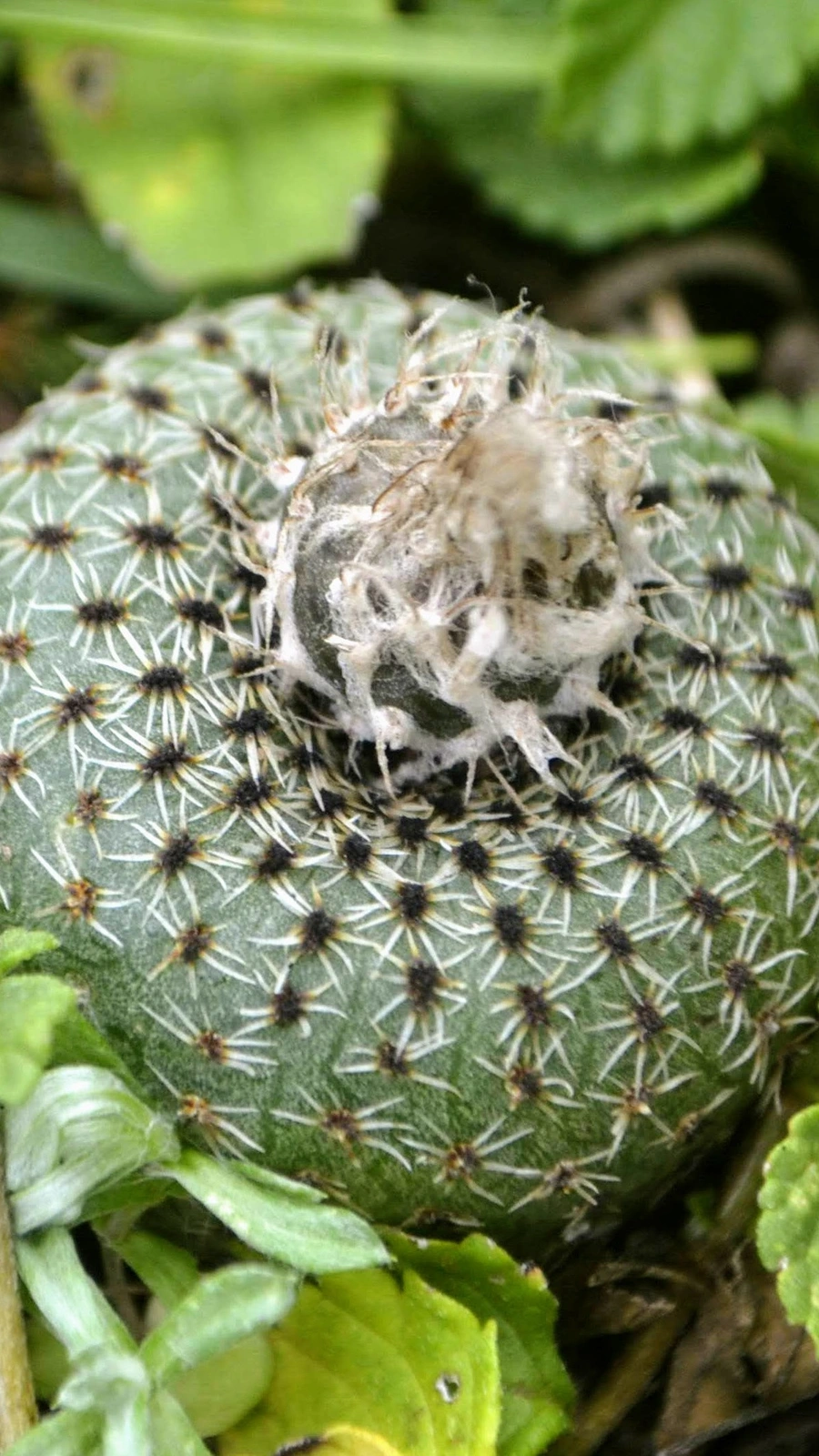
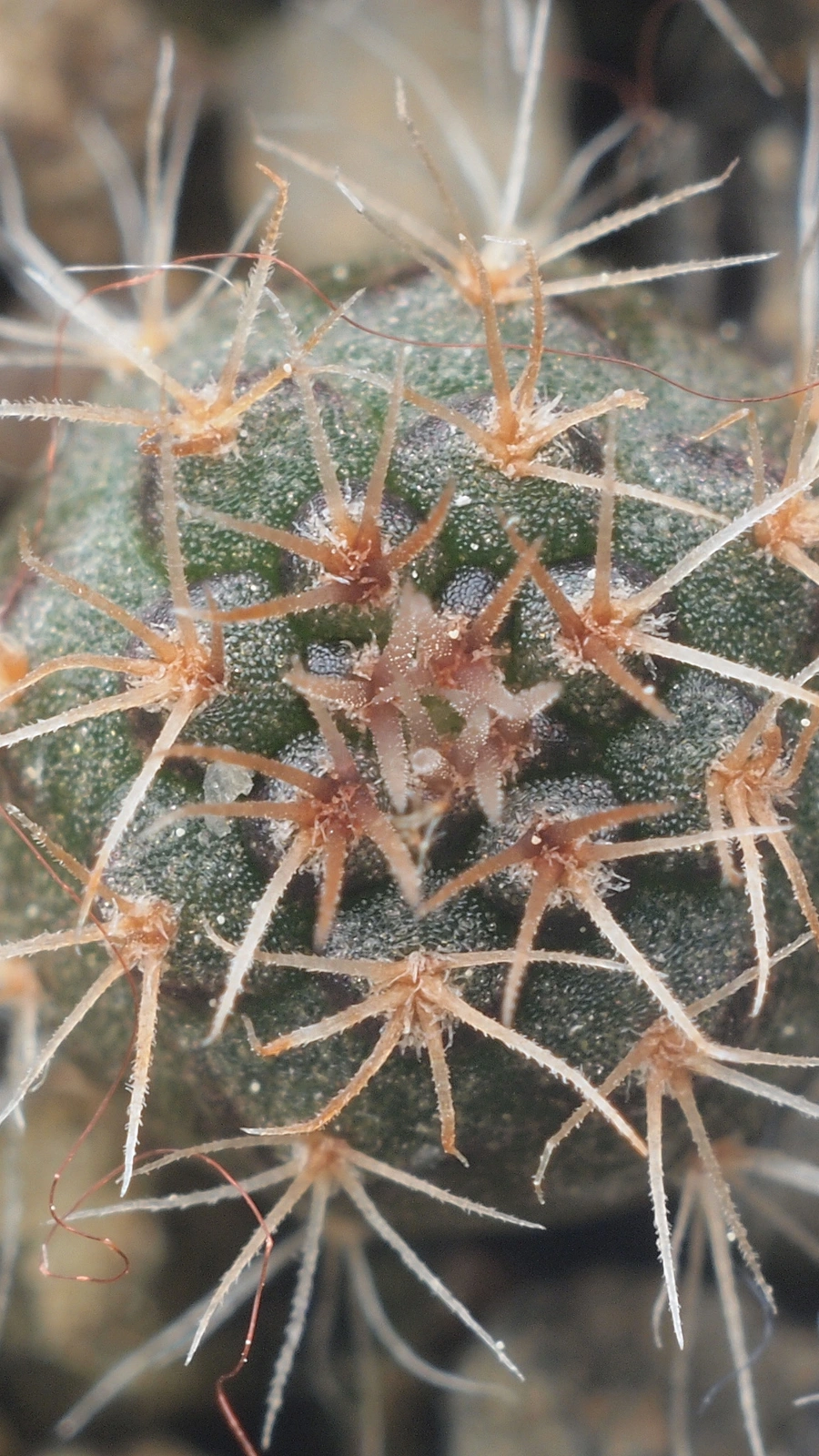
The stem of Frailea phaeodisca is remarkably flattened-globose, rarely exceeding 3-4 cm in diameter, and often growing flush with the soil surface in the wild. The epidermis is dark reddish-brown, copper, or dark greenish-black. Spines are tiny, pectinate (comb-like), and pressed flat against the stem. The pale yellow flowers often produce seeds without fully opening 2.
This miniature cactus requires a highly mineralized, free-draining substrate to prevent root rot. It thrives in bright, indirect light or filtered sunlight. During the active growing season in spring and summer, water thoroughly only when the soil has dried out completely. In winter, maintain dry conditions in a cool room 3.
Overwatering is the primary cause of failure with this species, especially in heavy soils with high organic content. Inadequate light leads to etiolation, causing the distinctive flat disk shape to become unnaturally elongated and weak. Keeping the soil wet during cold winter months will quickly trigger rot 3.
Prefers bright, indirect light or filtered sun; avoid harsh midday direct sunlight to prevent scorching.
Allow substrate to dry completely between waterings in summer; keep completely dry during winter dormancy.
Requires excellent drainage; use a mineral-rich mix consisting of pumice, coarse sand, and minimal peat.
Non-toxic to humans and pets, but handle with care due to tiny, fine spines.
Moderate care level due to extreme sensitivity to overwatering and specific drainage requirements.
Naturally distributed across rocky grasslands and gravelly hillsides of southern Brazil and Uruguay, growing under the light dappled shade of local vegetation.
