
Light
Filtered Sun
Avoid harsh, direct sunlight; bright, filtered or indirect light is best.
 Reference image
 Reference image
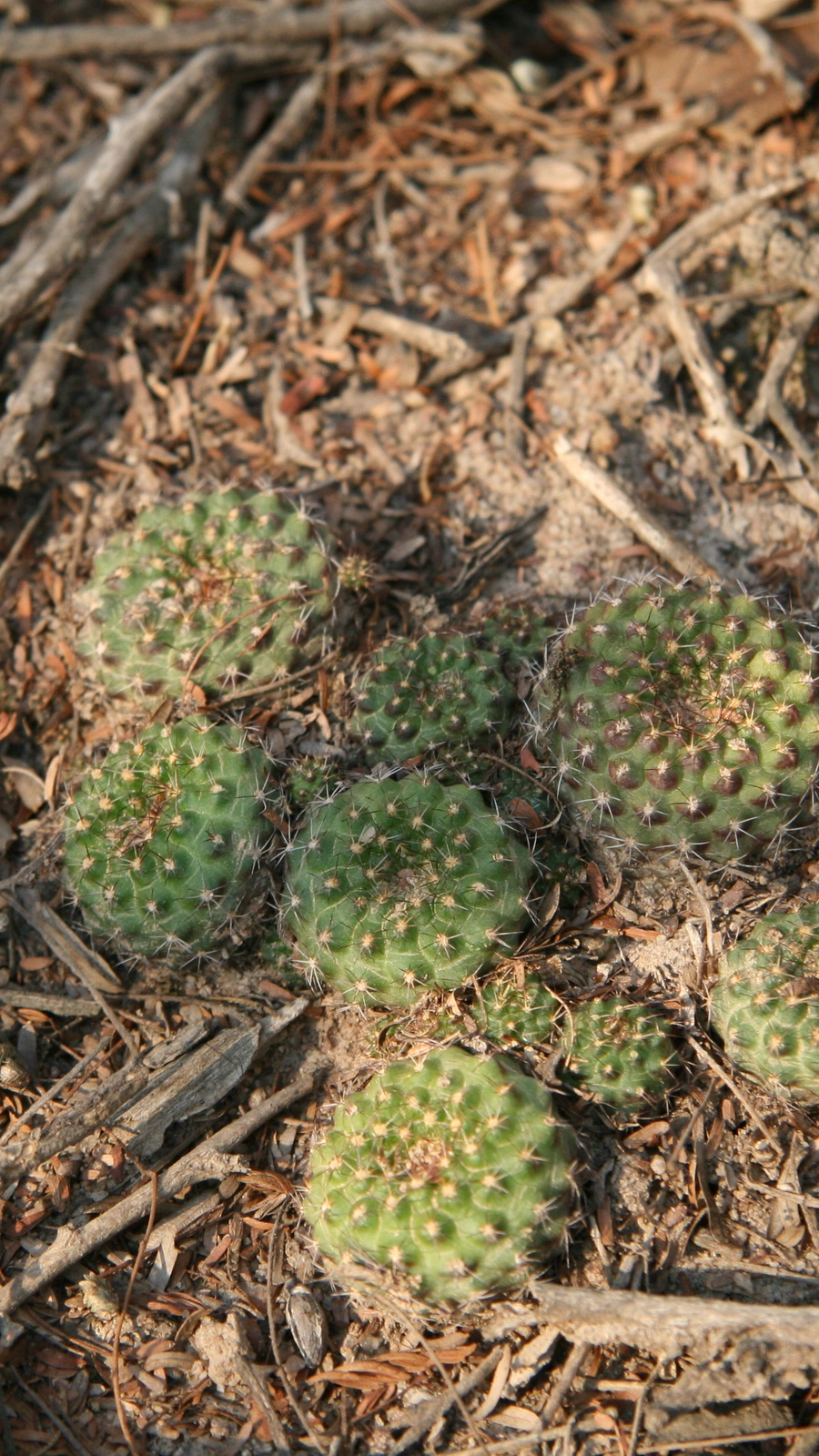
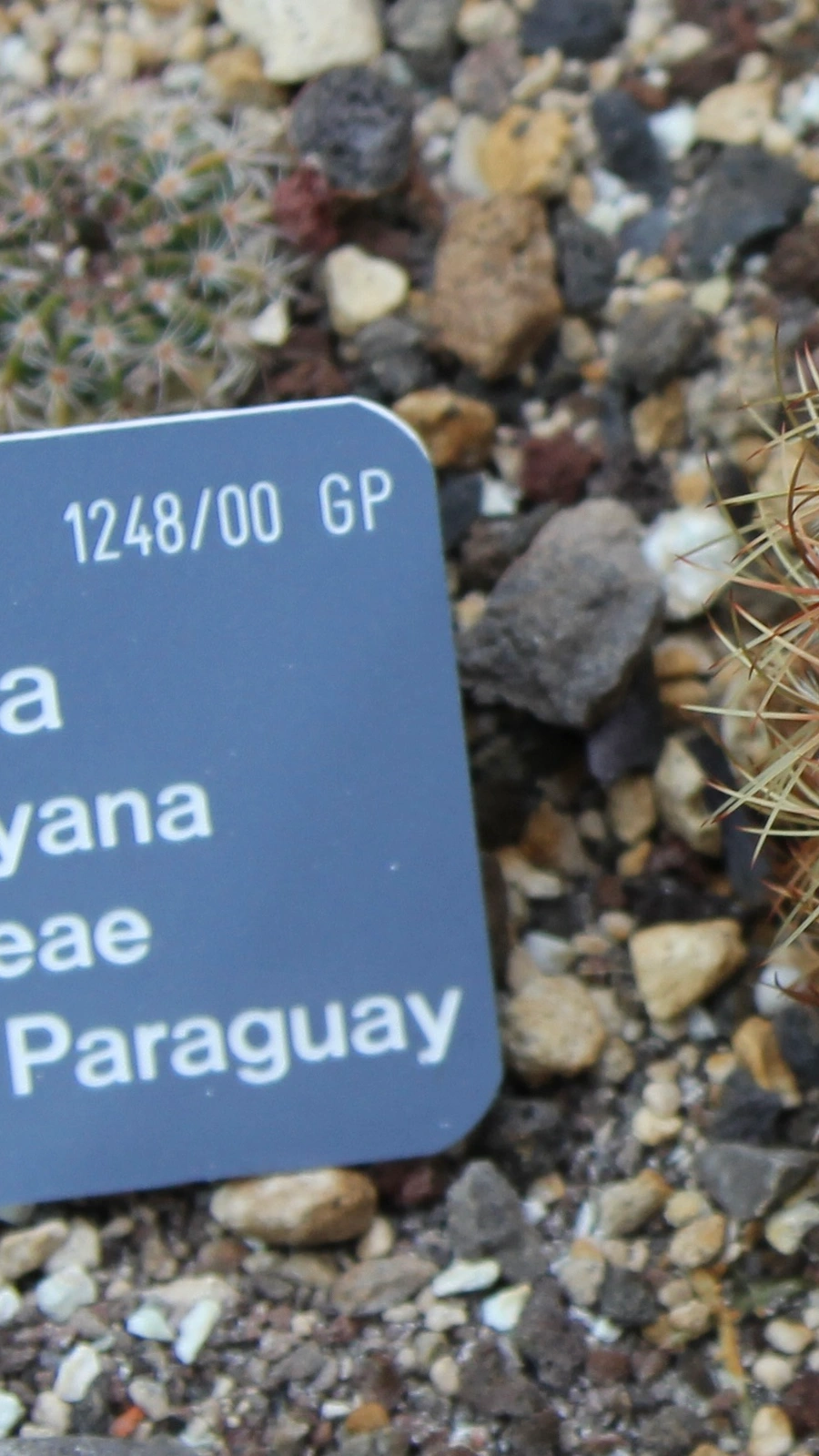
Schilinzky's Frailea
Frailea schilinzkyana is a remarkably small-sized, usually solitary cactus species in the family Cactaceae. Known for its extremely compact growth and fascinating cleistogamous flowers, this miniature cactus is highly sought after by succulent collectors 1.
The genus Frailea was named in honor of Albert Manuel Pratt Fraile, who was a curator of the United States Department of Agriculture's collections. The specific epithet 'schilinzkyana' commemorates Schilinzky, a notable cactus enthusiast 2. It belongs to a group of dwarf cacti adapted to shrinking into the soil during dry seasons.
This species is native to southern South America, including southern Brazil (Rio Grande do Sul), Paraguay, Uruguay, and northeastern Argentina 3. It thrives in subtropical grasslands, rocky outcrops, and shallow soils where it is often sheltered by surrounding vegetation.
The stem is globose to depressed-globose, usually dark green to brownish-purple, and rarely exceeds 3-4 centimeters in diameter. It features 10 to 13 low, tuberculate ribs. Spines are short, fine, and pressed against the stem. The yellow flowers often produce seeds cleistogamically, meaning they self-pollinate without ever fully opening 12.
In cultivation, it requires an extremely porous, mineral-based substrate. Watering should be regular but careful during summer, and completely suspended in winter. Filtered sunlight or partial shade is crucial to prevent sunburn and to help maintain its beautiful, dark epidermis 3.
The most frequent error is overwatering combined with poorly draining soil, which rapidly leads to root and stem rot. Additionally, exposing the plant to intense, direct afternoon sun can cause irreversible scarring.
Avoid harsh, direct sunlight; bright, filtered or indirect light is best.
Allow soil to dry fully between waterings; keep bone-dry in winter.
Use a highly gritty, fast-draining cactus mix with plenty of pumice.
Non-toxic and safe around cats, dogs, and children.
Requires moderate care due to its miniature size and sensitivity to overwatering.
Naturally distributed across the subtropical grasslands, rocky ledges, and thin soils of southern Brazil, Paraguay, Uruguay, and northeastern Argentina.
