
Light
Full Sun
Requires full sun, preferably at least 6 hours of direct sunlight daily.
 Reference image
 Reference image
Densely Spined Club Cholla
Grusonia densispina is a highly branched, low-growing succulent subshrub belonging to the cactus family (Cactaceae). Characterized by its extremely dense spine coverage and club-like segments, this species is well-adapted to surviving the intense heat and dry conditions of North American deserts 1.
Historically classified also within the genus Corynopuntia, it is officially accepted under the genus Grusonia. The specific epithet densispina is derived from the Latin roots 'densus' (thick/dense) and 'spina' (spine), referencing the tightly packed, protective spine network that covers the entirety of its stems 2.
This species is native to the desert and dry shrublands of Northern America, specifically throughout Northeastern and Central Mexico (including Coahuila, Durango, San Luis Potosí, and Zacatecas) and parts of South-Central USA, notably Texas 1. It thrives on rocky limestone slopes and alluvial plains.
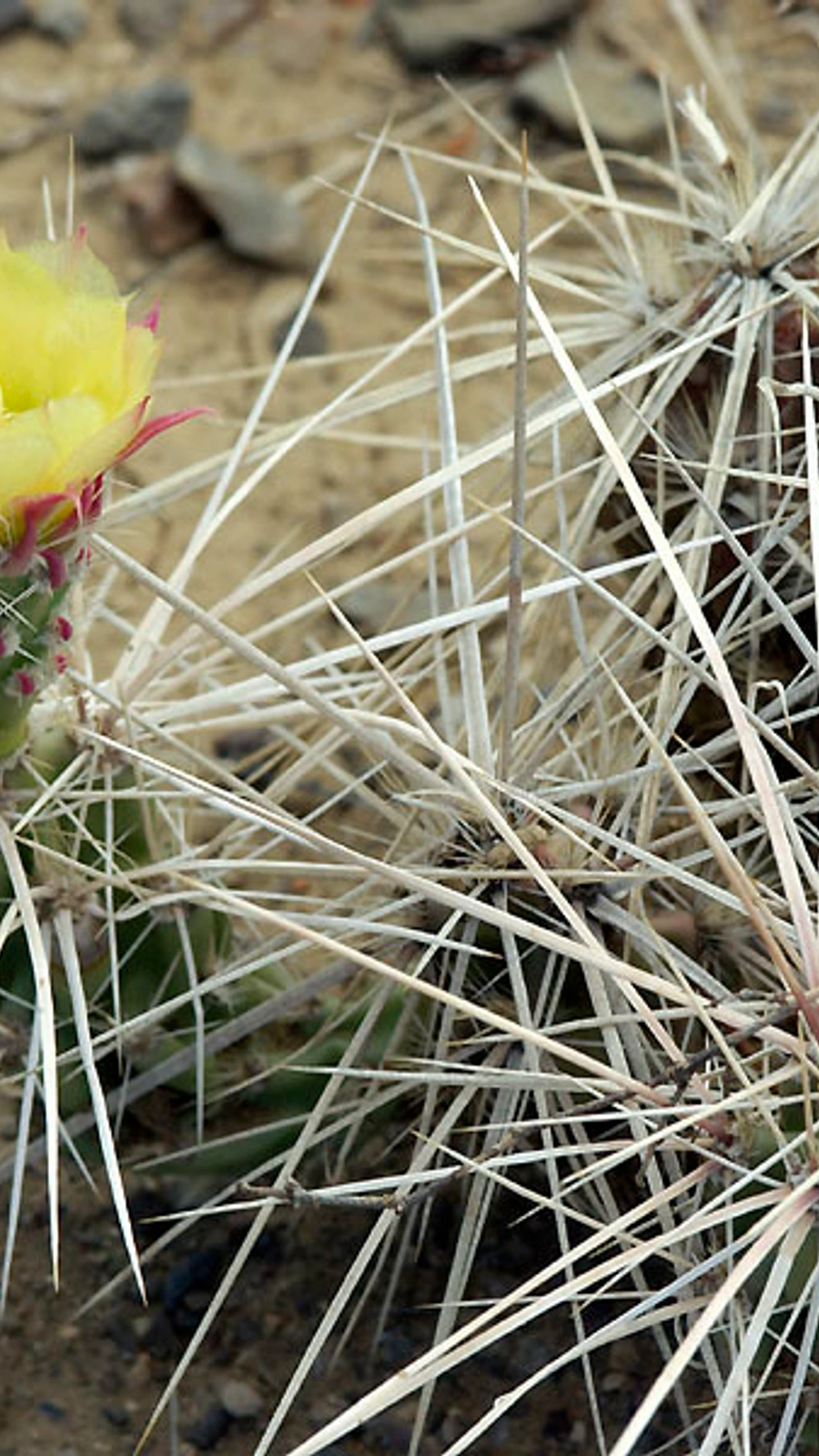
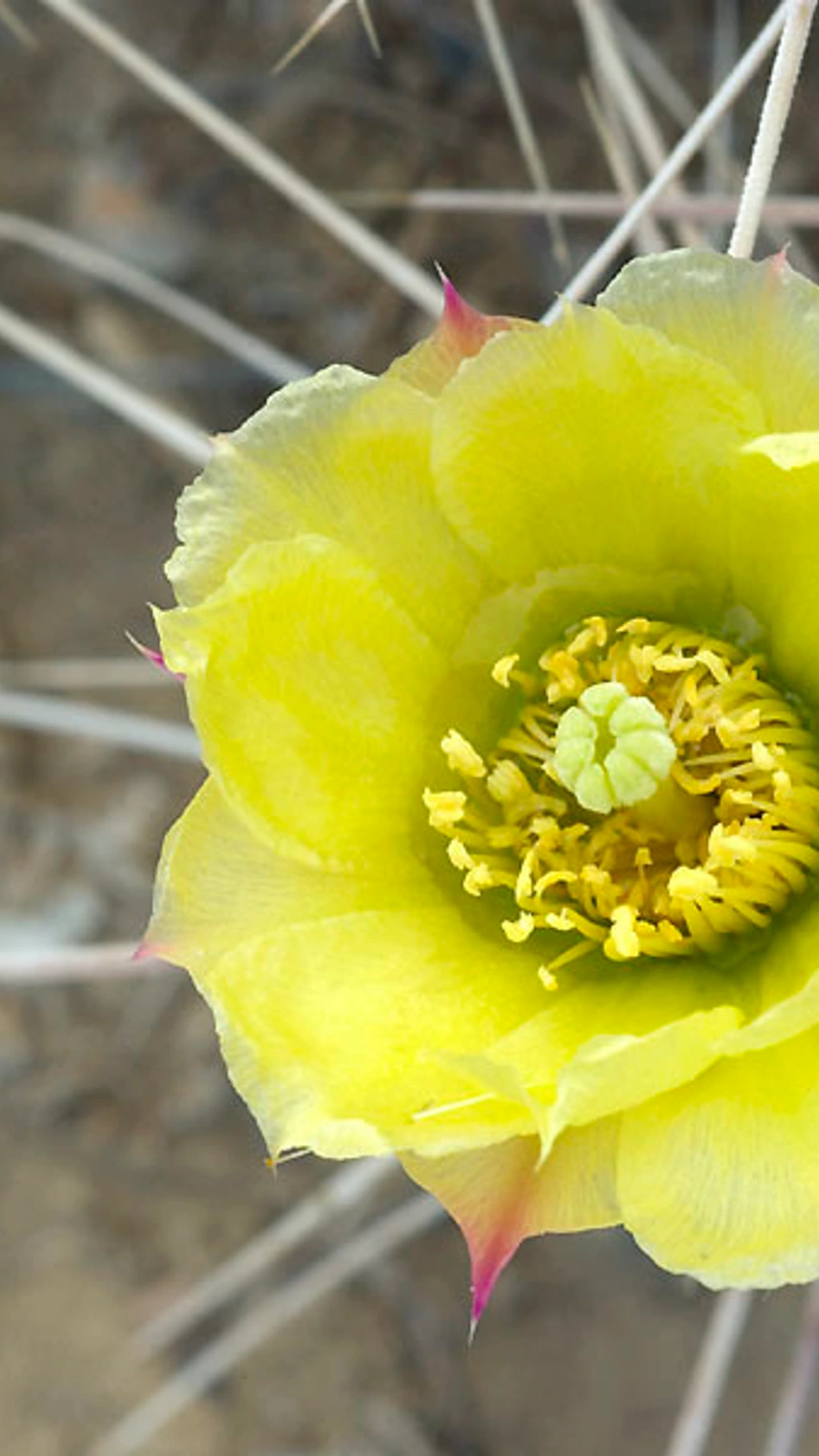
The plant forms low-growing mats of cylindrical to club-shaped joints. The segments are heavily armed with robust, yellowish-brown to grayish spines that obscure the green stem. Bright yellow flowers emerge from the stem tips during late spring, followed by dry, spiny seed fruits 2.
In cultivation, Grusonia densispina requires maximum sunlight and exceptionally well-draining mineral substrate. A mix of pumice, coarse sand, and perlite works best. Watering should follow the soak-and-dry method, allowing the medium to dry completely before the next application.
The most prevalent issue is root rot triggered by overwatering or compacted soil. Inadequate light exposure leads to weak, elongated growth (etiolation) and diminishes the density of its signature spines.
Requires full sun, preferably at least 6 hours of direct sunlight daily.
Soak only when the soil is completely bone-dry. Keep completely dry in winter.
Use a porous, sandy, and gravel-rich potting mix with low organic matter.
Armed with very sharp, dense spines. Keep away from pets and children.
Very easy to maintain if overwatering is strictly avoided.
Naturally distributed across the arid Chihuahuan Desert, spanning from Northern Mexico into South-Central United States, where it thrives on rocky slopes, alluvial fans, and gravelly limestone plains.
