
Light
Full Sun
Requires full, direct sun. It will not survive in shady or low-light indoor environments.
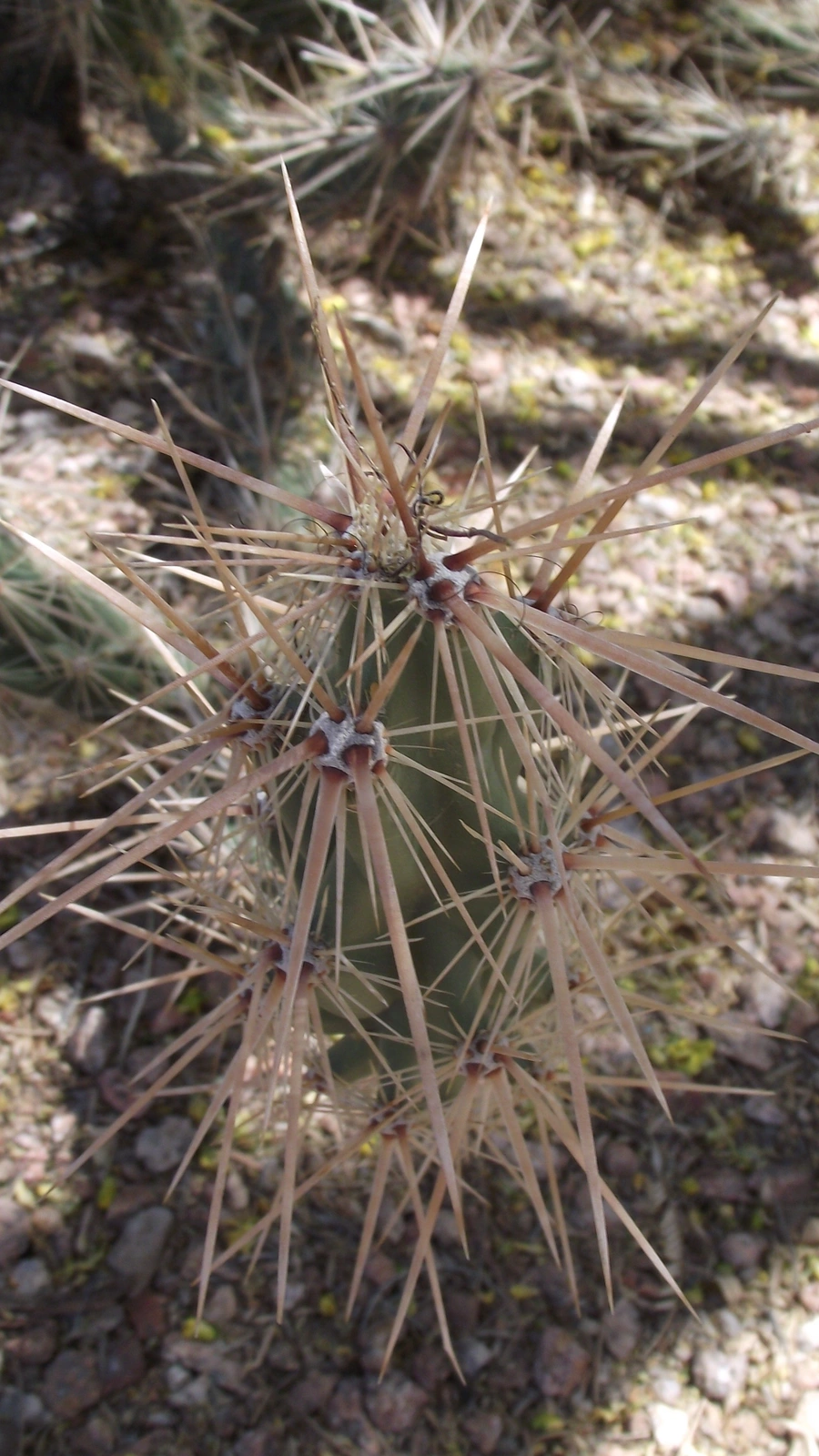 Reference image
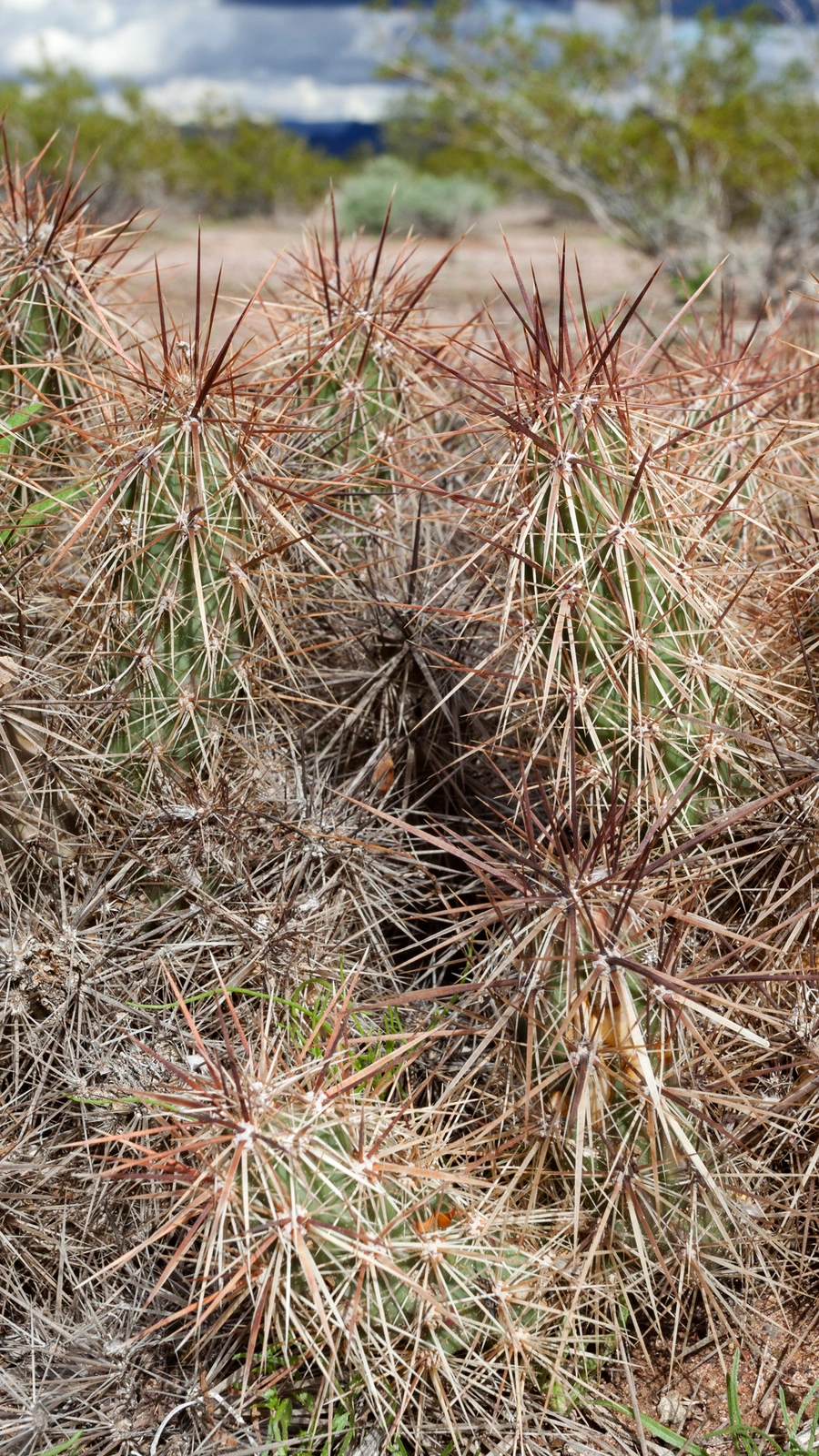 Reference image
Kunze's Club Cholla
Grusonia kunzei, commonly known as Kunze's club cholla or devil's club, is a resilient succulent subshrub belonging to the family Cactaceae. Adapted to hyper-arid environments, it forms low, sprawling, and impenetrable mats that stabilize desert soils.
Originally described as Corynopuntia kunzei, taxonomists have transferred this species to the genus Grusonia as Grusonia kunzei 1. The specific epithet honors the German botanist Carl Albert Regineer Kunze. It is closely related to other club chollas in the region.
This species is native to Northern America, spanning the Southwestern USA (primarily Arizona and California) and northwestern Mexico (Sonora and Baja California) 2. It thrives in sandy desert flats, gravelly alluvial fans, and dry shrublands up to elevations of about 1000 meters.
The plant features cylindrical, highly tuberculated stem joints that measure 7 to 15 cm in length. Its areoles bear formidable, flattened, grayish-brown spines and irritating glochids. Bright yellow to greenish-yellow flowers appear in early summer, followed by spiny, yellow, fleshy fruits.
In cultivation, Grusonia kunzei demands full sun and exceptional ventilation. The potting medium must be exclusively mineral-based, providing rapid drainage. Watering should follow a strict 'soak and dry' regimen, with water virtually withheld during the winter dormancy period.
The most frequent mistakes are overwatering and inadequate light. Keeping the plant in standard organic potting soil or in humid, poorly lit indoor rooms will inevitably lead to root rot and etiolation, causing the stems to weaken and decay.
Requires full, direct sun. It will not survive in shady or low-light indoor environments.
Water deeply but infrequently in summer; keep completely dry during the winter months.
Highly porous mineral mix composed of pumice, coarse sand, and fine gravel with minimal organic matter.
Armed with fierce spines and microscopic irritating glochids. Keep out of reach of children and pets.
Moderate. Easy if kept in dry, bright desert conditions, but highly susceptible to rot if overwatered.
Native to the harsh, sun-drenched plains of the Sonoran Desert, stretching across Arizona, southeastern California, and northern Mexican states on sandy or rocky alluvial substrates.
