
Light
Full Sun
Requires full, direct sun; low light causes structural weakness and thin, pale stems.
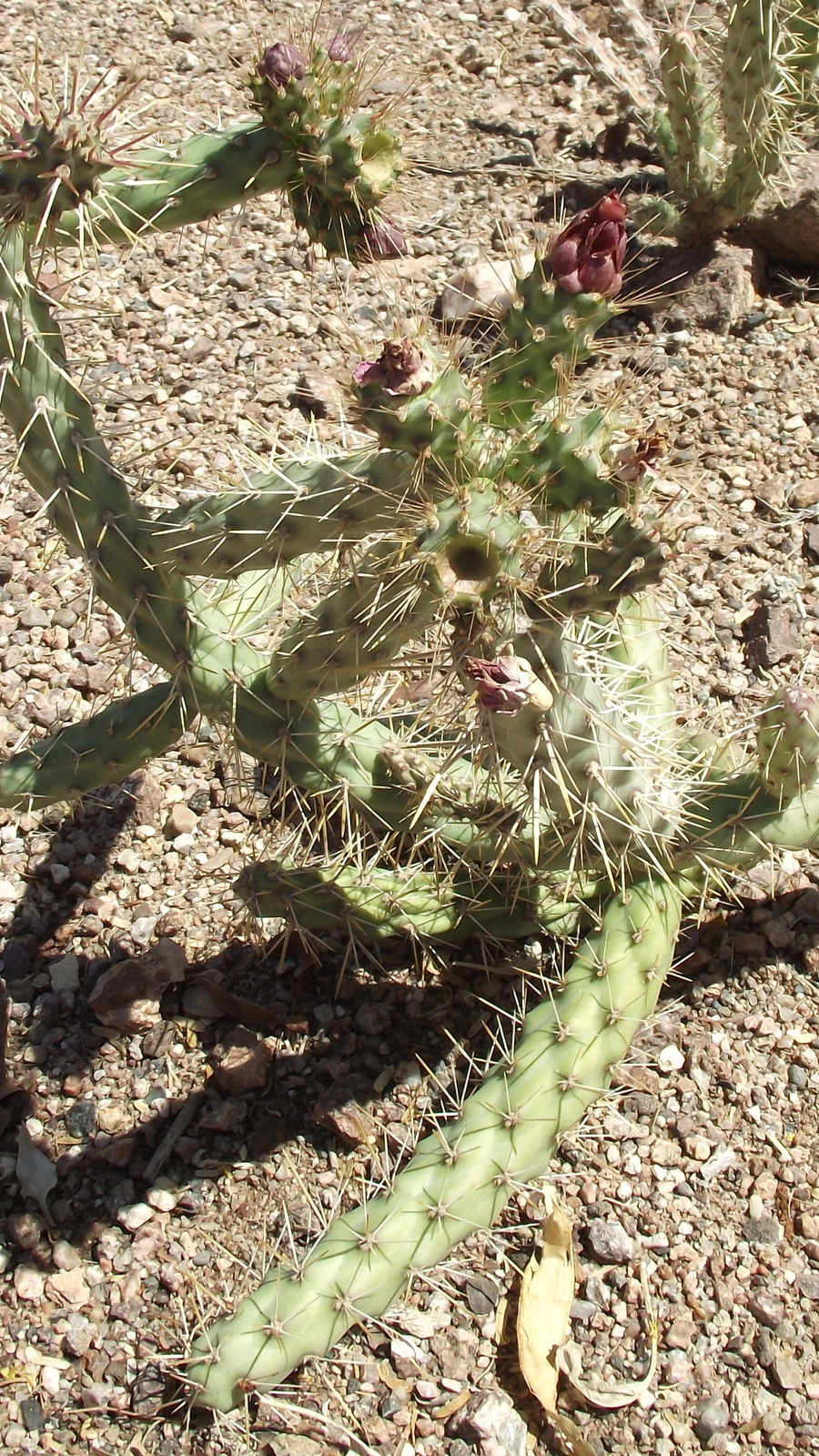 Reference image
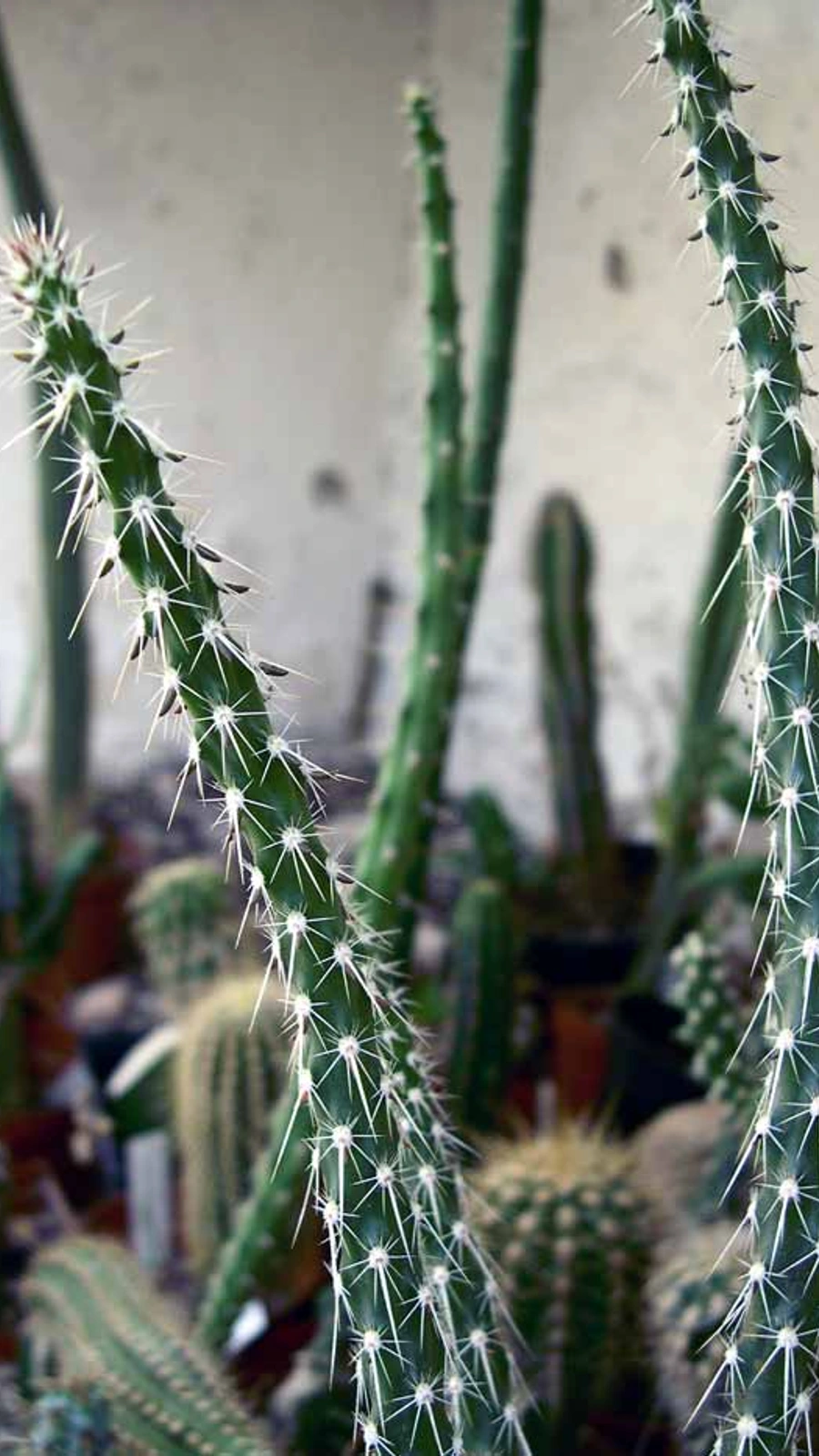 Reference image
Marena's Club Cholla
Grusonia marenae (also known under the synonym Corynopuntia marenae) is a highly specialized succulent subshrub in the family Cactaceae 1. It is well-adapted to extremely arid desert conditions and dry shrublands, growing in low, spreading clumps.
Belonging to the tribe Cylindropuntieae, this species has experienced various taxonomic placements in Opuntia and Corynopuntia before settling as Grusonia marenae (Parsons) E.F.Anderson 2. It is commonly grouped with 'club chollas' due to its club-shaped stem segments.
This cactus is native to northwestern Mexico, primarily distributed across the states of Sonora, Sinaloa, Baja California, and Baja California Sur 1. It thrives in coastal desert flats, sandy alluvial plains, and gravelly slopes under intense sunlight.
The plant consists of jointed, cylindrical to club-shaped green or grayish-green segments. The areoles bear fierce, straight, needle-like spines that range from whitish to pale brown. Small yellow or white blossoms appear near the stem tips during warm seasons, followed by small dryish fruits.
In cultivation, Grusonia marenae requires excellent drainage and maximum direct sunlight. It is best grown in a porous, mineral-rich substrate. Watering should be deep but infrequent, allowing the soil to dry completely between cycles 2.
The most prevalent error is placing the plant in low-light environments, leading to weak, etiolated growth. Overwatering during the cold, dormant winter months is another common cause of rapid root rot.
Requires full, direct sun; low light causes structural weakness and thin, pale stems.
Water only when the substrate is bone-dry. Strictly avoid standing water.
Requires a highly mineral, gritty cactus mix with excellent aeration and drainage.
Presents sharp spines and glochids; keep out of reach of children and domestic pets.
Moderately easy for growers who can provide strong desert light and resist overwatering.
Naturally occurs in the northwestern desert areas of Mexico, particularly inhabiting the arid coastal plains of Sonora and gravelly substrates of the Baja California peninsula.
