
Light
Full Sun
Requires at least 6 hours of direct sunlight daily. Etiolation occurs in low light.
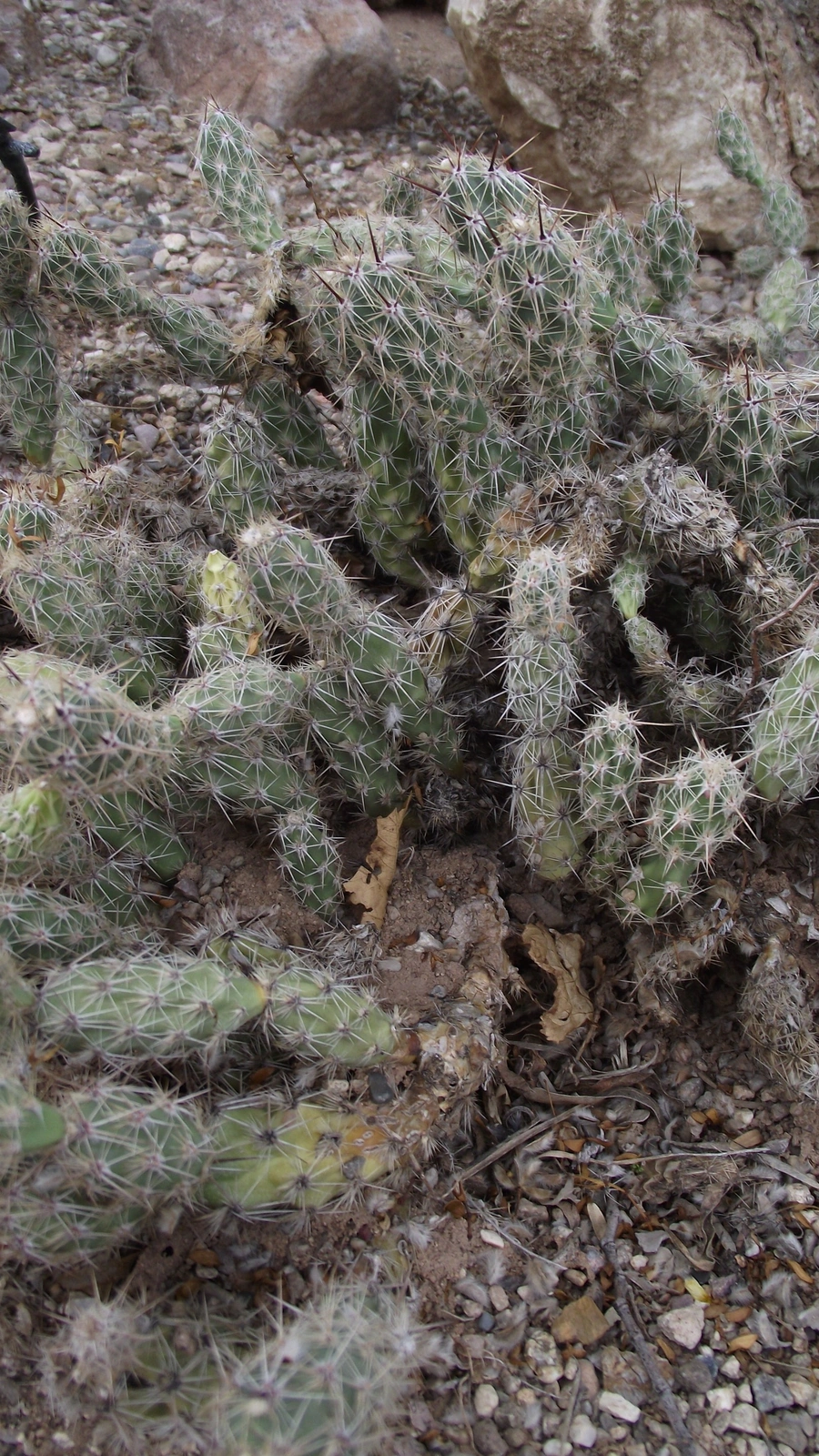 Reference image
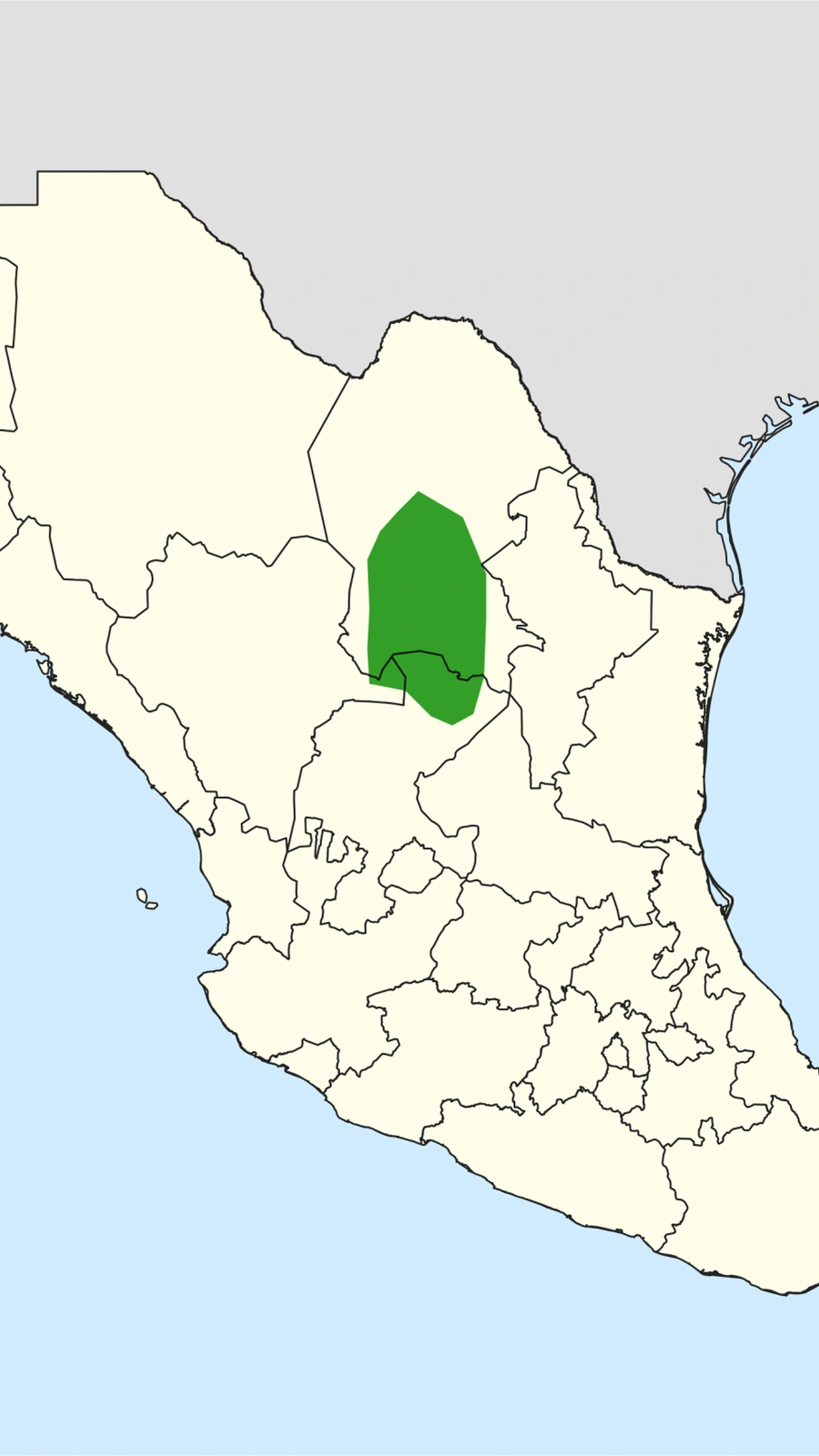 Reference image
Moeller's Grusonia
Grusonia moelleri is a low-growing, heavily spined succulent subshrub belonging to the Cactaceae (Cactus) family 1. Adapted to extremely arid desert ecosystems, this species is highly appreciated among cactus enthusiasts for its fierce, protective spine cover and characteristic cylindrical segment growth.
Named in honor of Heinrich Möller, the species is classified under the genus Grusonia 2. It is also known by synonyms such as Opuntia moelleri and Corynopuntia moelleri, reflecting its taxonomic history and close relationship with the club chollas and cylindrical opuntioids 1.
Endemic to the arid regions of northern and central Mexico, particularly in the states of Coahuila, Durango, Zacatecas, and San Luis Potosí 2. It thrives in desert shrublands, limestone slopes, and alluvial plains. These habitats feature intense solar radiation, high summer temperatures, and freezing winter nights.
This species forms low-lying, branching clumps reaching 20-30 cm in height 1. The joints or stem segments are short, cylindrical, and strongly tuberculate. The areoles bear dense, sharp, whitish-grey spines that obscure the green stem. Bright yellow or greenish-yellow flowers appear at the stem tips during the summer 2.
Grusonia moelleri requires full sun and exceptionally well-draining, mineral-heavy soil. Overwatering is its primary enemy, causing rapid root rot. Water thoroughly during the hot summer months only when the soil is bone dry. During the winter, keep the plant dry and cool, as it can withstand short dry frosts down to -5 °C 1.
Growing this cactus in heavy, moisture-retentive clay soil is a critical mistake. Insufficient light exposure leads to weak, elongated stems (etiolation). Winter watering is highly discouraged and often fatal.
Requires at least 6 hours of direct sunlight daily. Etiolation occurs in low light.
Only water when the soil is completely dry. Keep dry in winter.
Use a low-organic, mineral-based cactus mix containing pumice and grit.
Possesses dense, sharp spines. Keep away from pets and young children.
Moderate difficulty due to strict watering requirements and high light demands.
Native to the high-altitude arid tables and dry limestone slopes of the Chihuahuan Desert in northern and central Mexico.
