
Light
Full Sun
Requires full sun; placing it in a south- or west-facing window or outdoor spot is essential for healthy growth.
 Reference image
 Reference image
Parish's Club-Cactus
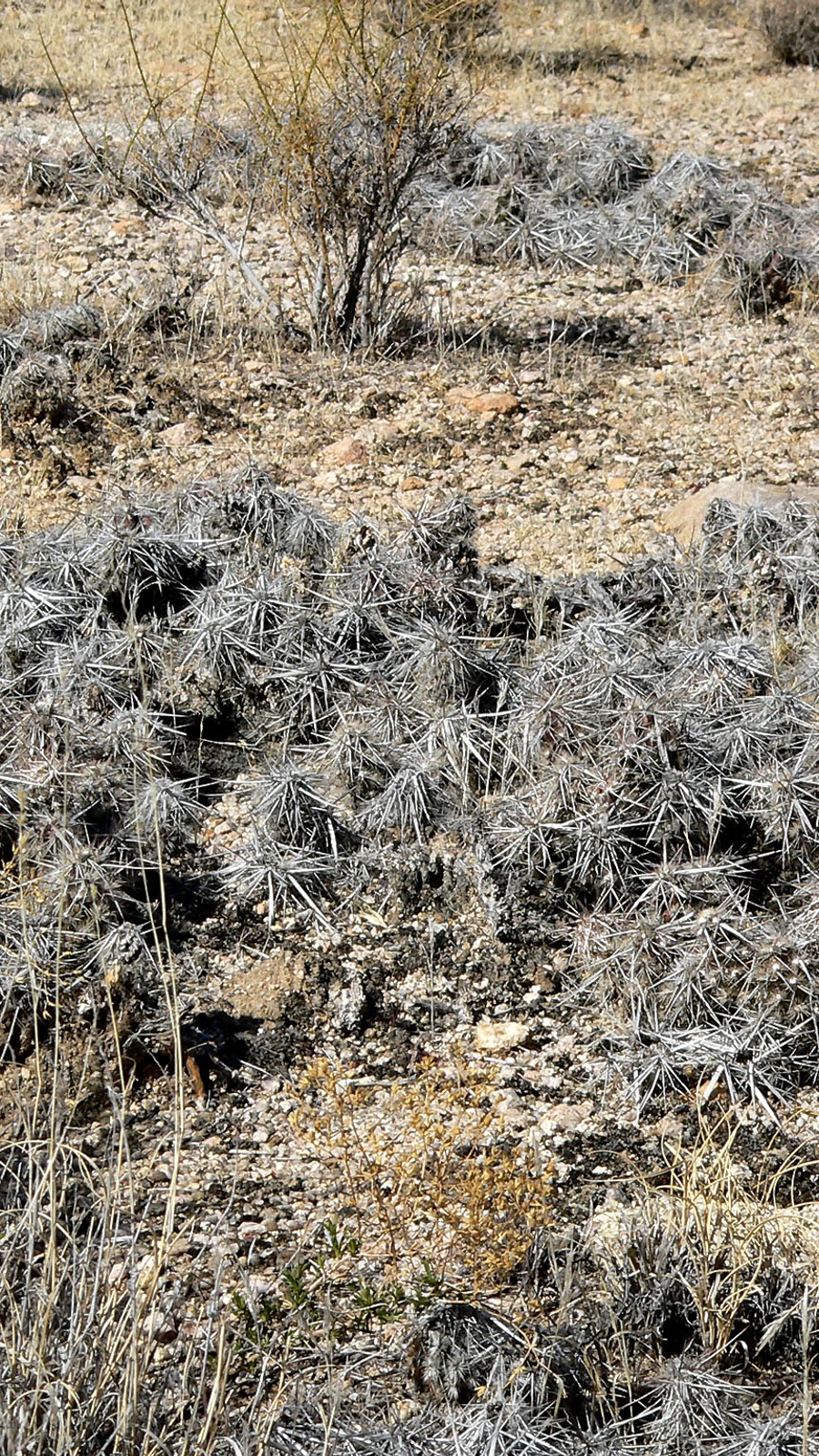
Grusonia parishiorum (syn. Corynopuntia parishiorum) is a low-growing, heavily spined succulent subshrub belonging to the cactus family (Cactaceae). It forms dense, prostrate mats on dry desert floors, showcasing incredible resilience to extreme heat and drought 1.
Named in honor of the prominent 19th-century American botanist Samuel Bonsall Parish, this species has been classified under Opuntia parishiorum and Corynopuntia parishiorum in past taxonomic treatments 2. It is commonly known as Parish's club-cactus or matted cholla.
Native to the Southwestern United States, including southern California, southern Nevada, and Arizona. It thrives in gravelly alluvial plains, rocky slopes, and dry washes of the Mojave and Sonoran deserts at elevations of 900–1500 meters 1.
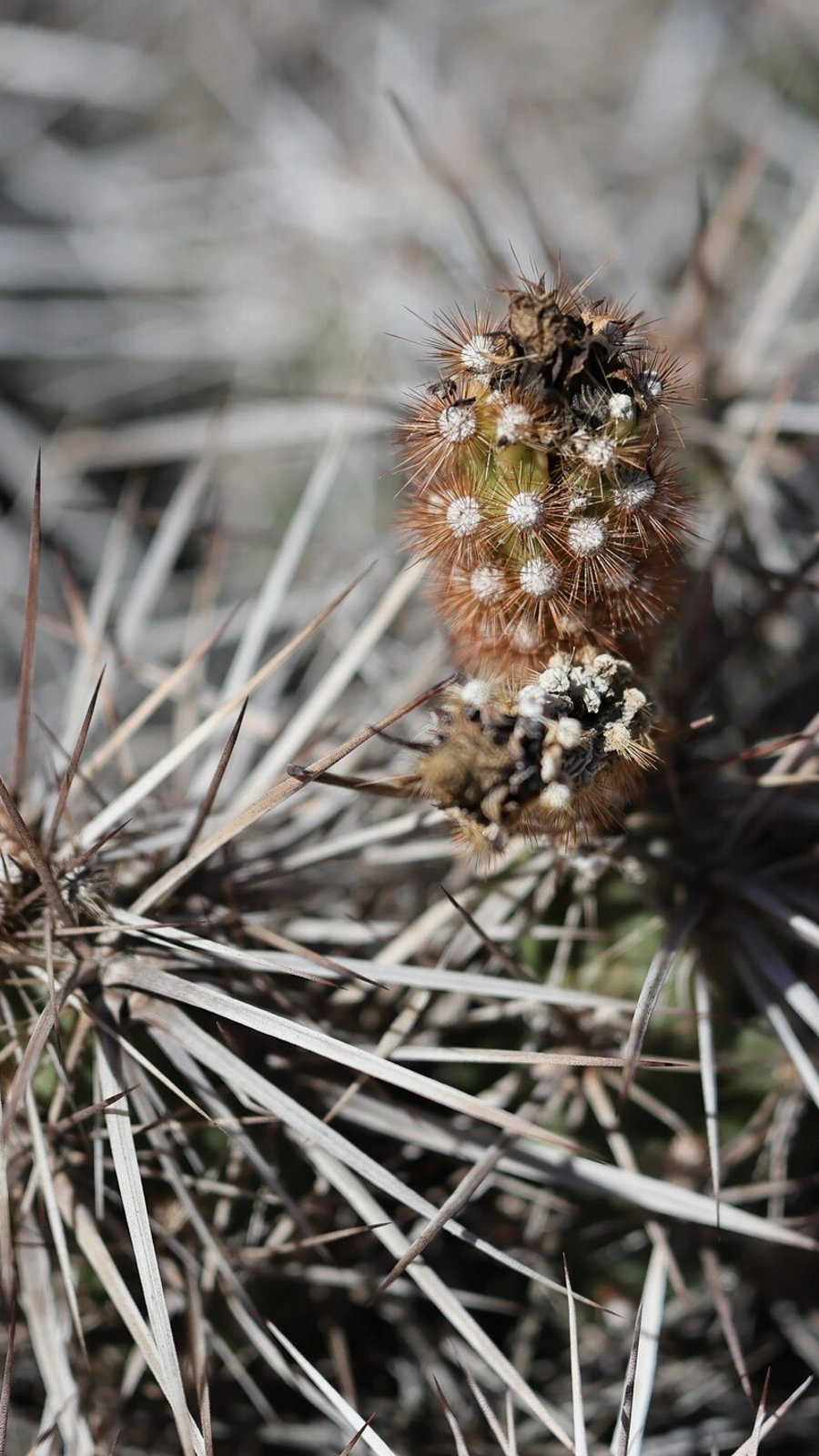
The jointed stems are club-shaped (clavate), measuring about 5 to 9 cm in length. They are heavily armed with flattened, pale-grayish spines that obscure the stem. Bright yellow flowers emerge in late spring or summer, followed by dry, spiny fruits.
In cultivation, this desert specialist requires full sun and exceptionally sharp-draining mineral soil. It is cold-hardy if kept completely dry during winter dormancy 2.
The most frequent cause of failure is root rot due to overwatering or planting in organic-rich, heavy soils. Lack of intense direct sunlight leads to weak, elongated growth.
Requires full sun; placing it in a south- or west-facing window or outdoor spot is essential for healthy growth.
Water thoroughly only when the soil is completely dry. Keep almost bone-dry throughout the winter months.
Mineral-rich cactus substrate with at least 60-70% gritty material such as pumice, perlite, and coarse sand.
Equipped with sharp spines and tiny, irritating glochids. Always handle with heavy leather gloves or tongs.
Moderate due to strict watering limits and extreme light needs, but very resilient under desert-like conditions.
Naturally occurs in the dry, rocky soils and gravelly alluvial flats of the Mojave and Colorado deserts, adapting to harsh droughts and cold desert nights.
