
Light
Full Sun
Requires full sun, ideally a south- or west-facing window or direct outdoor sunlight.
 Reference image
 Reference image
Schott's Club Cactus
Grusonia schottii (syn. Corynopuntia schottii) is a low-growing, mat-forming succulent subshrub in the Cactaceae family. Known for its extremely spiny, impenetrable clusters, this resilient species is a classic representative of North American desert flora 1.
Named after the 19th-century naturalist Arthur Schott, the species has transitioned between the genera Corynopuntia and Grusonia. Modern phylogenetic studies place it within the club-pear group of Grusonia 2. Common names include Schott's club cactus and dog cholla.
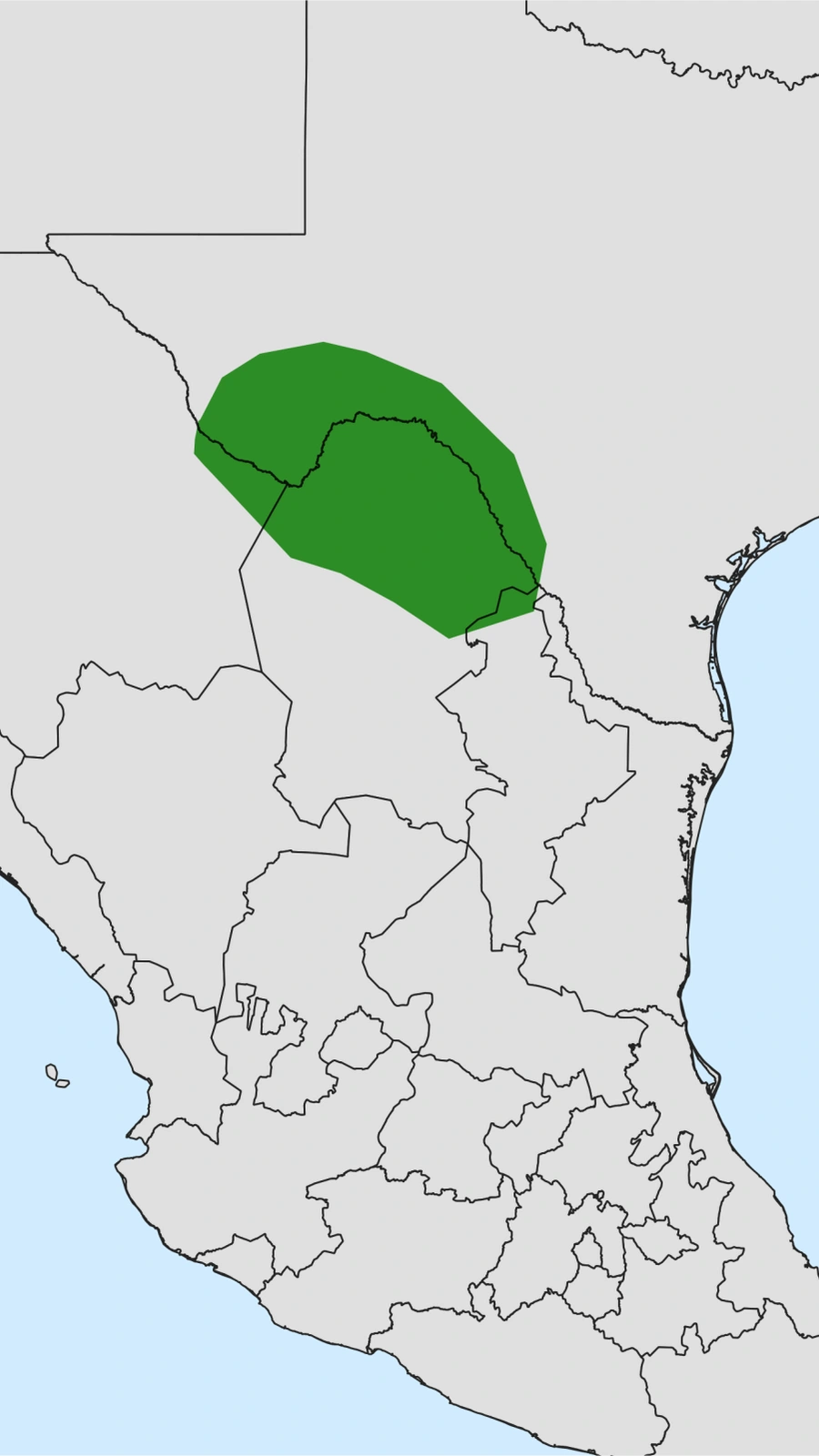
This species is native to the arid regions of the South-Central United States (particularly southern Texas) and northern Mexico (Coahuila, Nuevo León, Tamaulipas) 1. It thrives in limestone soils, gravelly plains, and dry desert shrublands.
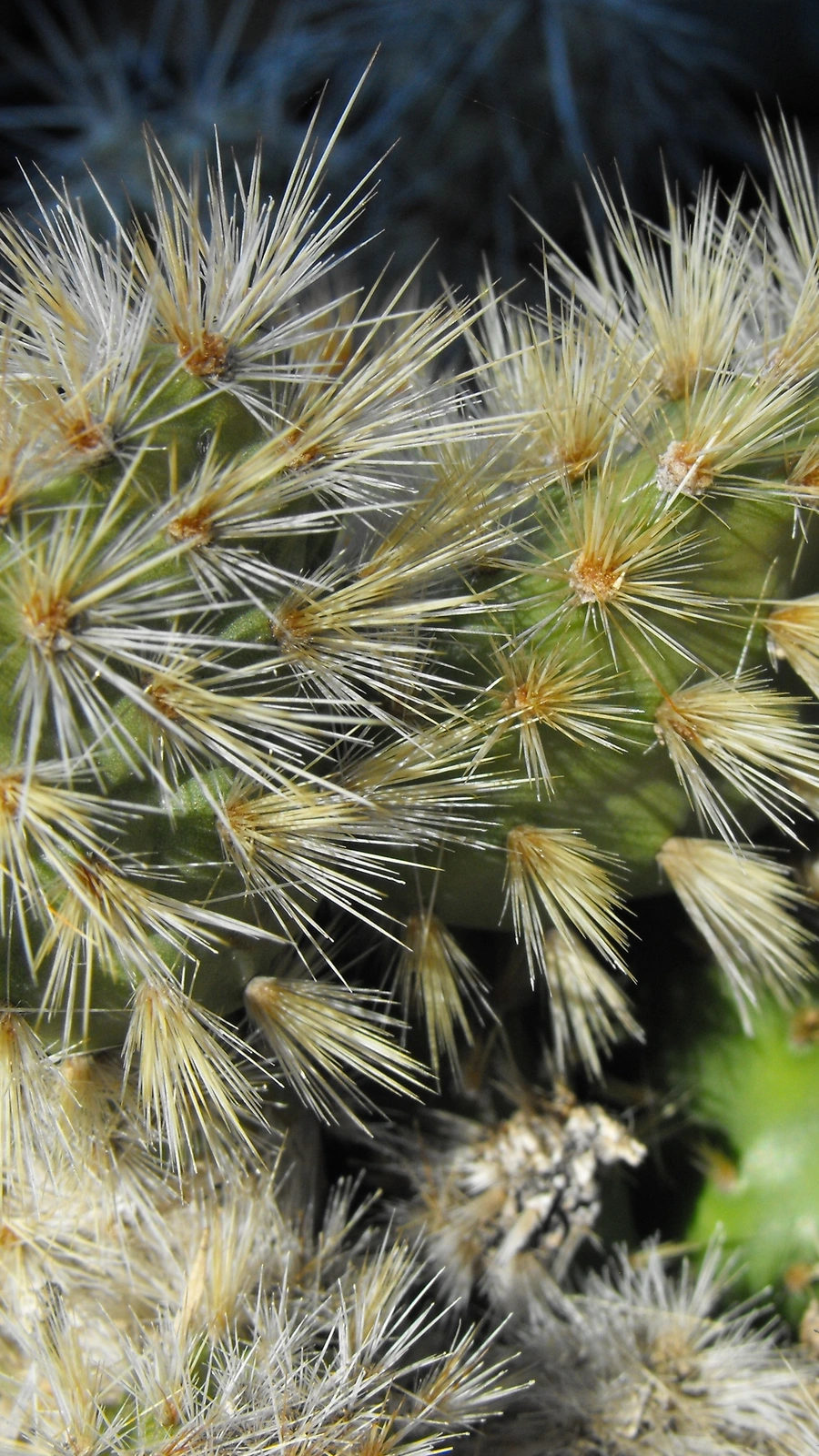
Grusonia schottii features club-shaped, jointed stems that grow up to 10 cm in length. The segments are heavily armed with flattened, dangerous greyish-brown spines. In late spring and summer, it produces bright yellow flowers, followed by dry, spiny yellow fruits.
In cultivation, it requires an open, highly mineral-based soil mix. Drainage is critical; the root system is highly sensitive to excess moisture. Water sparingly during the hot summer months and keep entirely dry in winter. Full sun is necessary to maintain its compact form.
The most frequent errors include overwatering, using peat-heavy organic soils, and providing insufficient direct sunlight, which leads to weak, elongated growth and a lack of defense spines.
Requires full sun, ideally a south- or west-facing window or direct outdoor sunlight.
Water only when the substrate is completely dry. Keep bone-dry throughout the winter.
Must have an extremely porous, mineral-heavy substrate with virtually no organic matter.
Vicious, painful spines. Keep out of reach of children and domestic pets.
Low maintenance if kept dry and sunny, but unforgiving of wet soils.
Occurs naturally in the Chihuahuan Desert, spanning from southern Texas along the Rio Grande into northern Mexican states, where it populates rocky hillsides and sandy alluvial flats.
