
Light
Bright Indirect Light
Direct midday sun can cause scorching. Morning sun or filtered bright light is ideal.
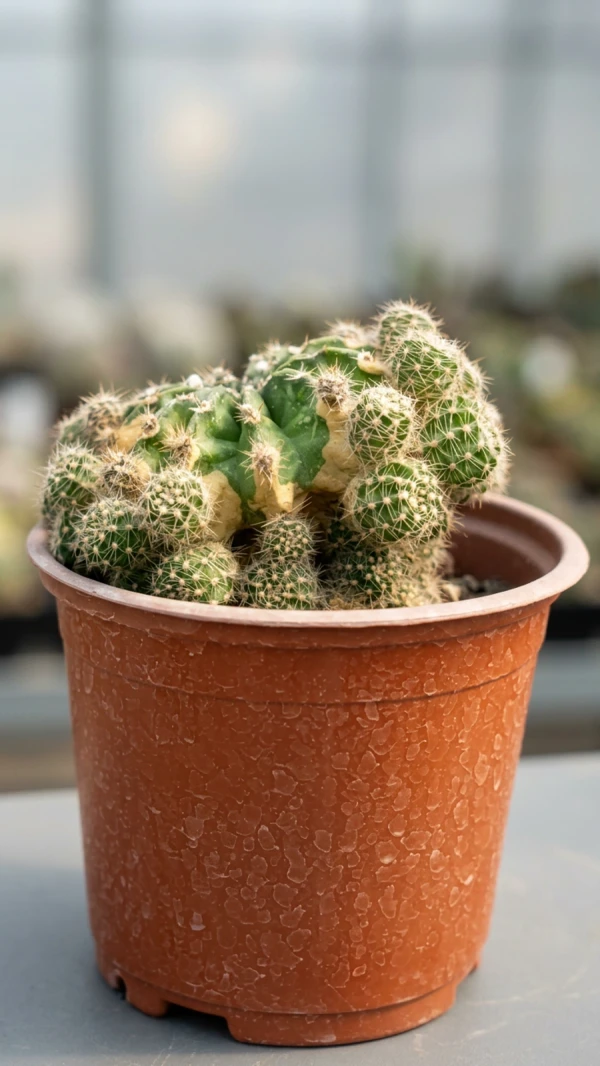
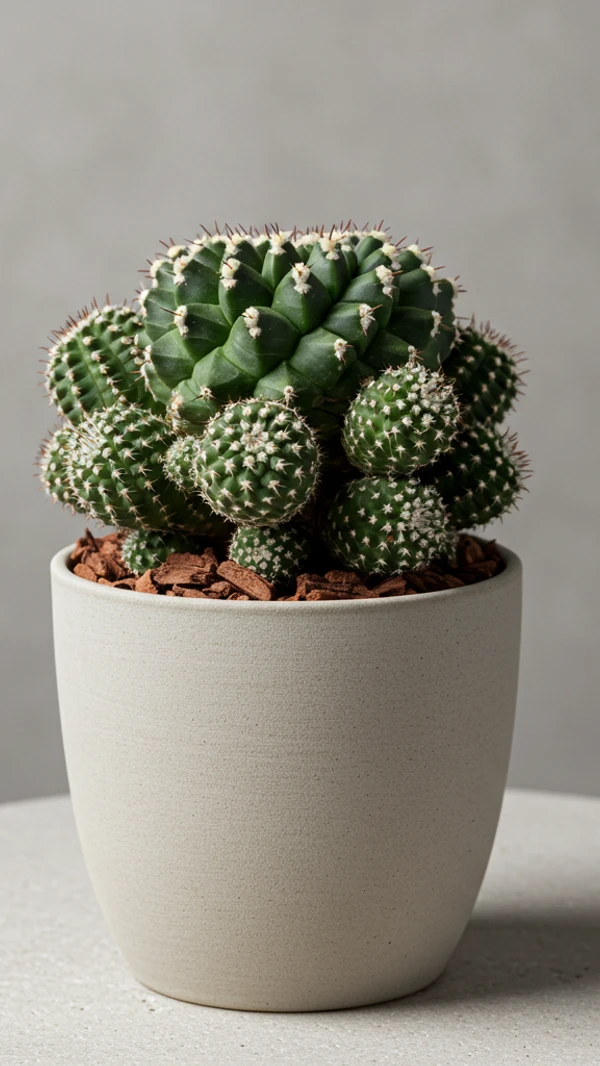
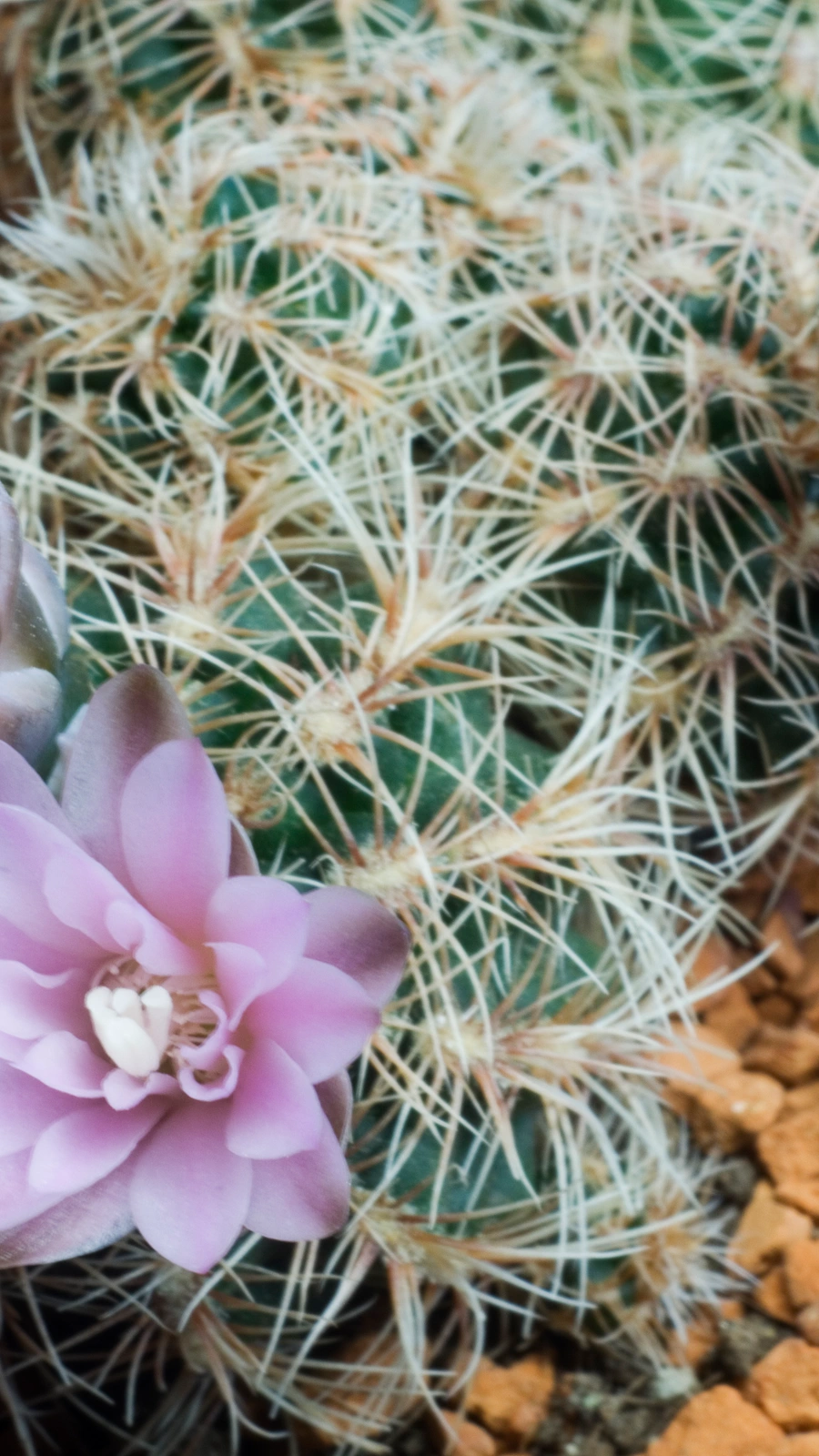 Reference image
Dwarf Chin Cactus, Bruch's Gymnocalycium
Gymnocalycium bruchii is a small, spherical cactus species belonging to the genus Gymnocalycium within the Cactaceae family, native to Argentina. Commonly known as the "Dwarf Chin Cactus" or "Bruch's Gymnocalycium," it is named after the German cactus collector and botanist Carlos Bruch 1. This species naturally thrives in dry shrublands and mountainous regions within temperate and subtropical climates. It typically grows solitarily but can form clumps over time by producing offsets.
Morphological Characteristics Gymnocalycium bruchii is notable for its dark green, flattened to slightly cylindrical stems, usually measuring 3-5 cm in height and 5-7 cm in diameter. The stems feature prominent ribs, along which small clusters of gray or brown spines (areoles) are arranged. Its spines are generally soft, short, and lie parallel to the stem, distinguishing it from many other cactus species.
Flowering Period This species is renowned for its relatively large and attractive flowers that bloom in spring and early summer. The flowers typically emerge from the apex of the stem and can range in color from pink to purple or white. A distinct yellow or green stamen and pistil are located at the center of the flower. The flowers usually open during daylight hours and remain vibrant for several days. Seed pods develop after the flowers fade, containing small, black seeds 2.
Ecological Role and Conservation Status In its natural habitat, Gymnocalycium bruchii is a resilient species adapted to arid climates. It is classified as "Least Concern" (LC) on the IUCN Red List, indicating that its populations are not currently threatened. However, factors such as habitat destruction and illegal collection can affect some local populations. This species is popular among cactus enthusiasts and collectors alike, and its ease of care makes it a common choice for cultivation in homes and gardens.
References:
Direct midday sun can cause scorching. Morning sun or filtered bright light is ideal.
Do not water until the soil is completely dry. Needs very little water in winter.
Use a specially formulated, very well-draining soil mix for cacti and succulents.
Generally non-toxic, but its spines can cause skin irritation. It's good practice to keep it out of reach of children and pets.
Ideal for cactus beginners. Thrives easily when proper watering and light conditions are provided.
Gymnocalycium bruchii is native to the central and northwestern regions of Argentina. It typically grows in mountainous and hilly areas, particularly in the provinces of Córdoba, Catamarca, La Rioja, San Luis, and Tucumán. It thrives in the dry, sunny, and well-drained soils found among rock crevices and shrublands in these native habitats.
