
Light
Bright Indirect Light
Prefers bright, indirect light or soft morning sun. Protect from scorching midday rays.
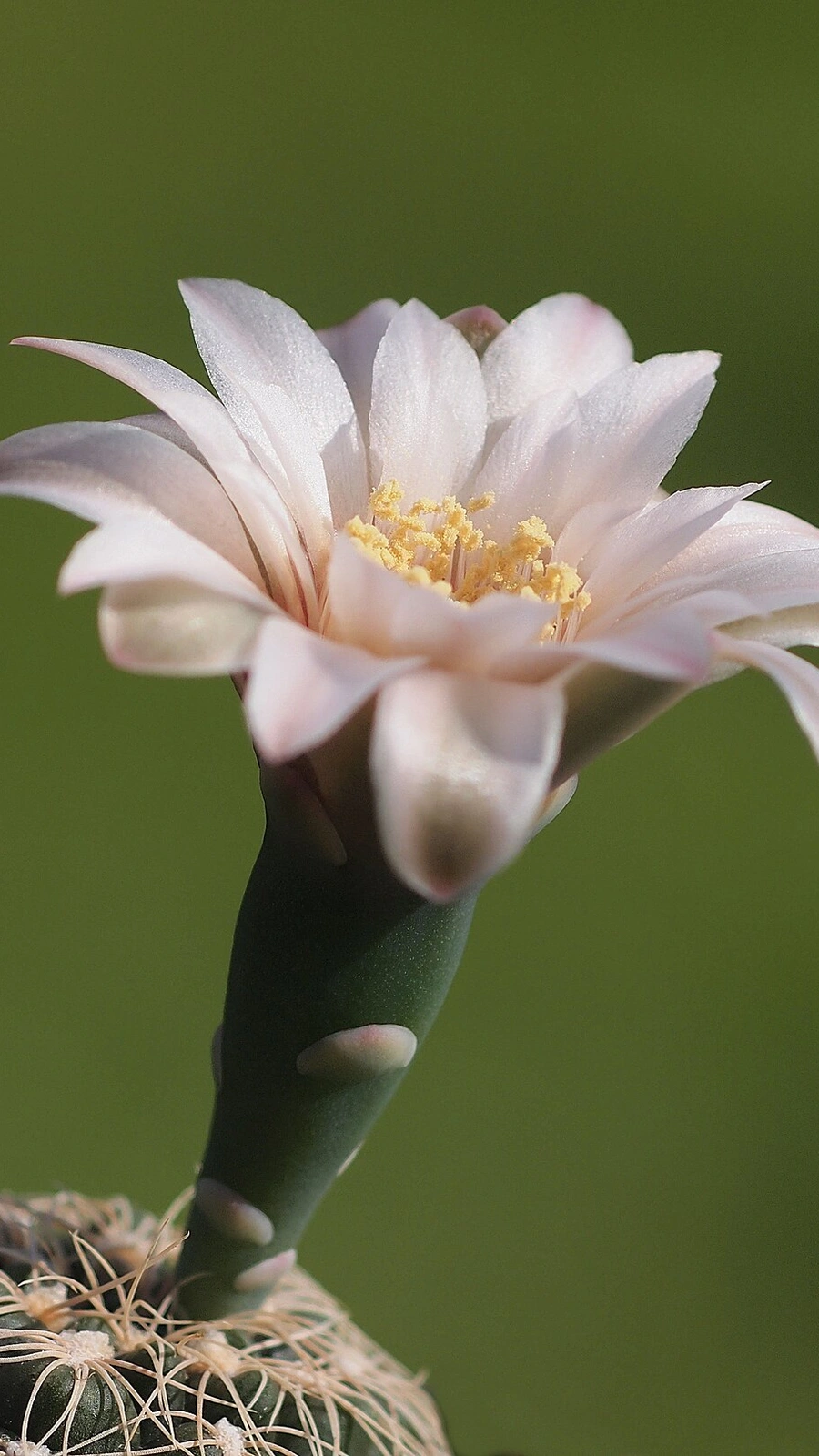
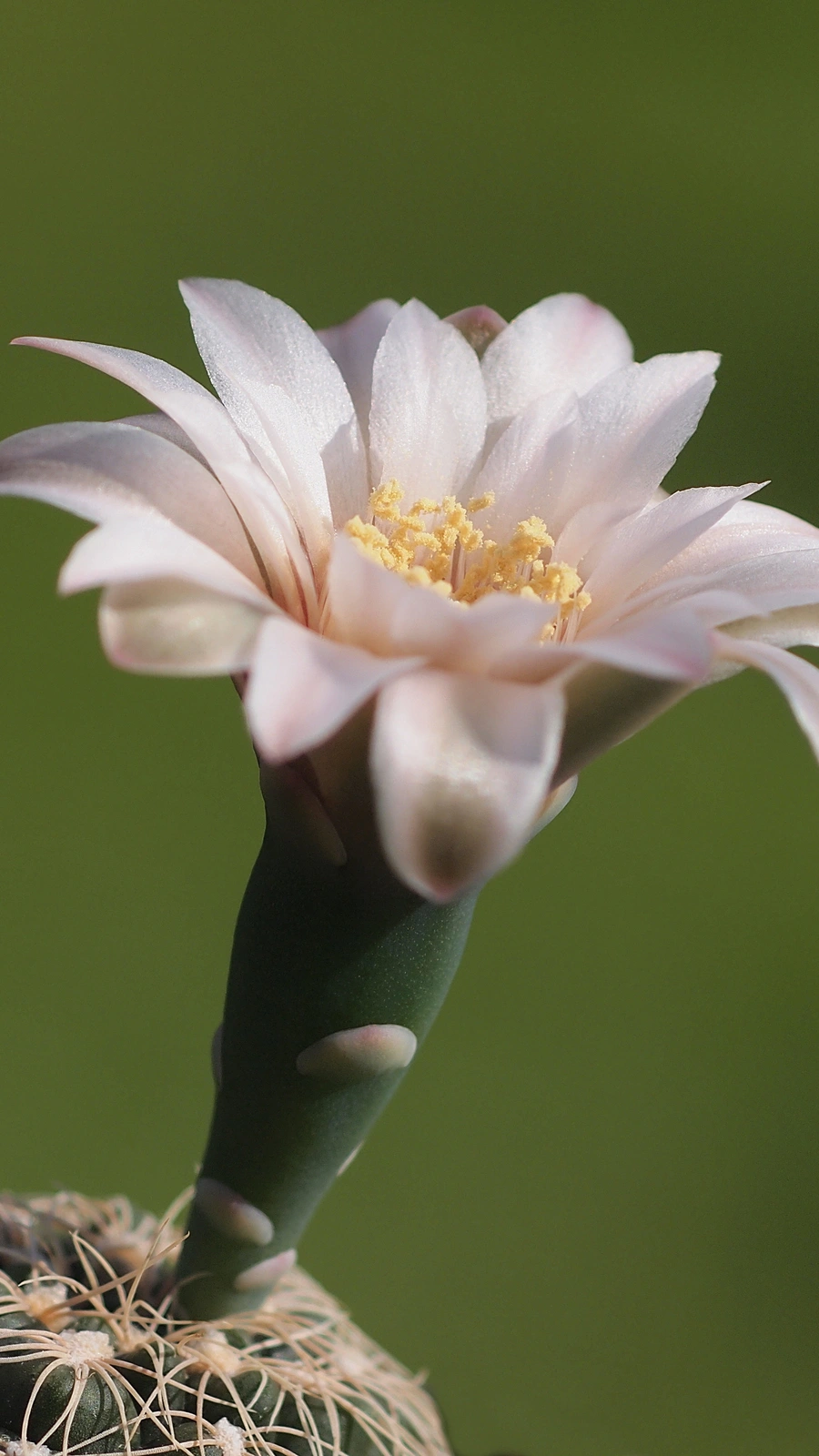
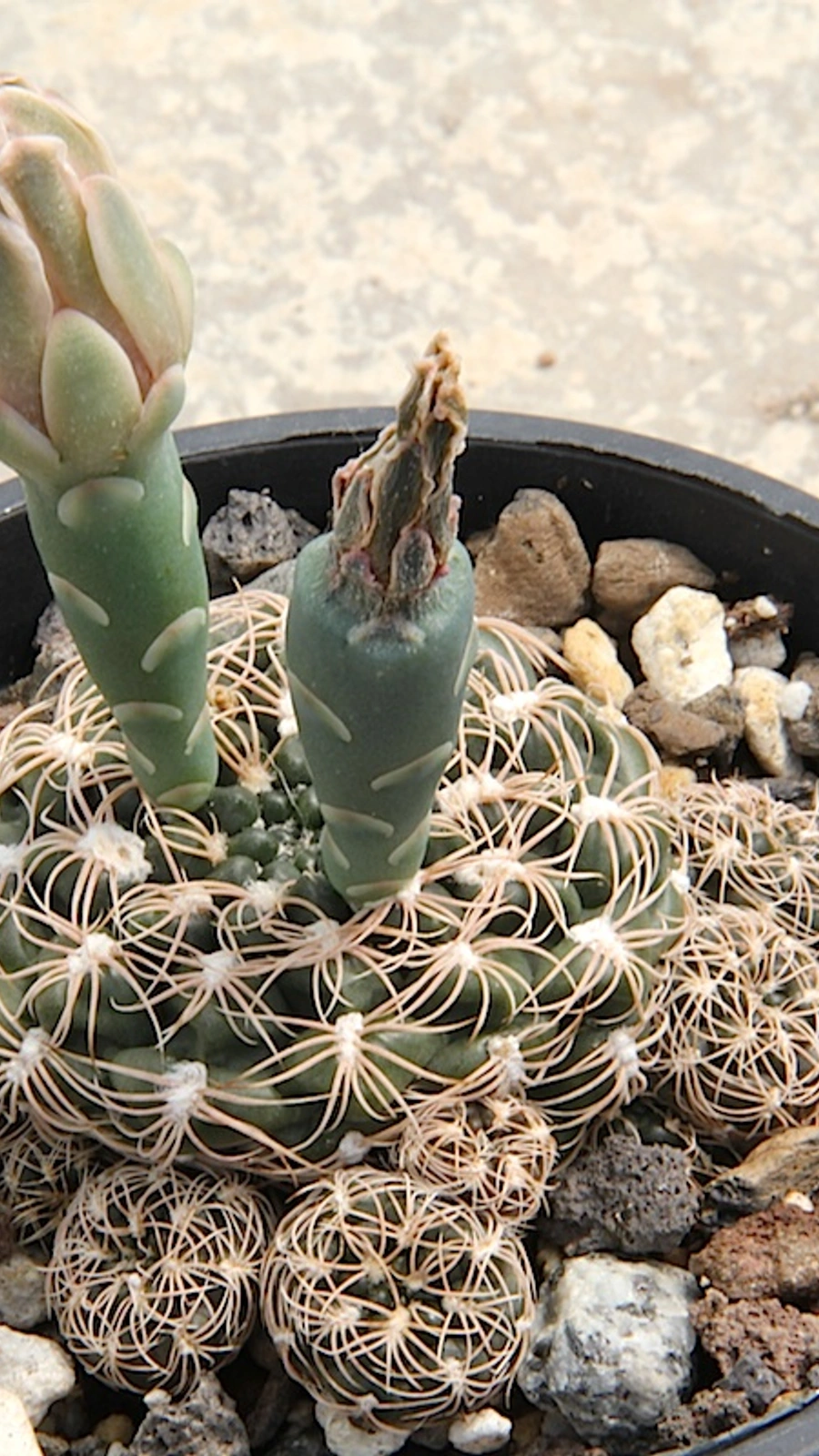 Reference image
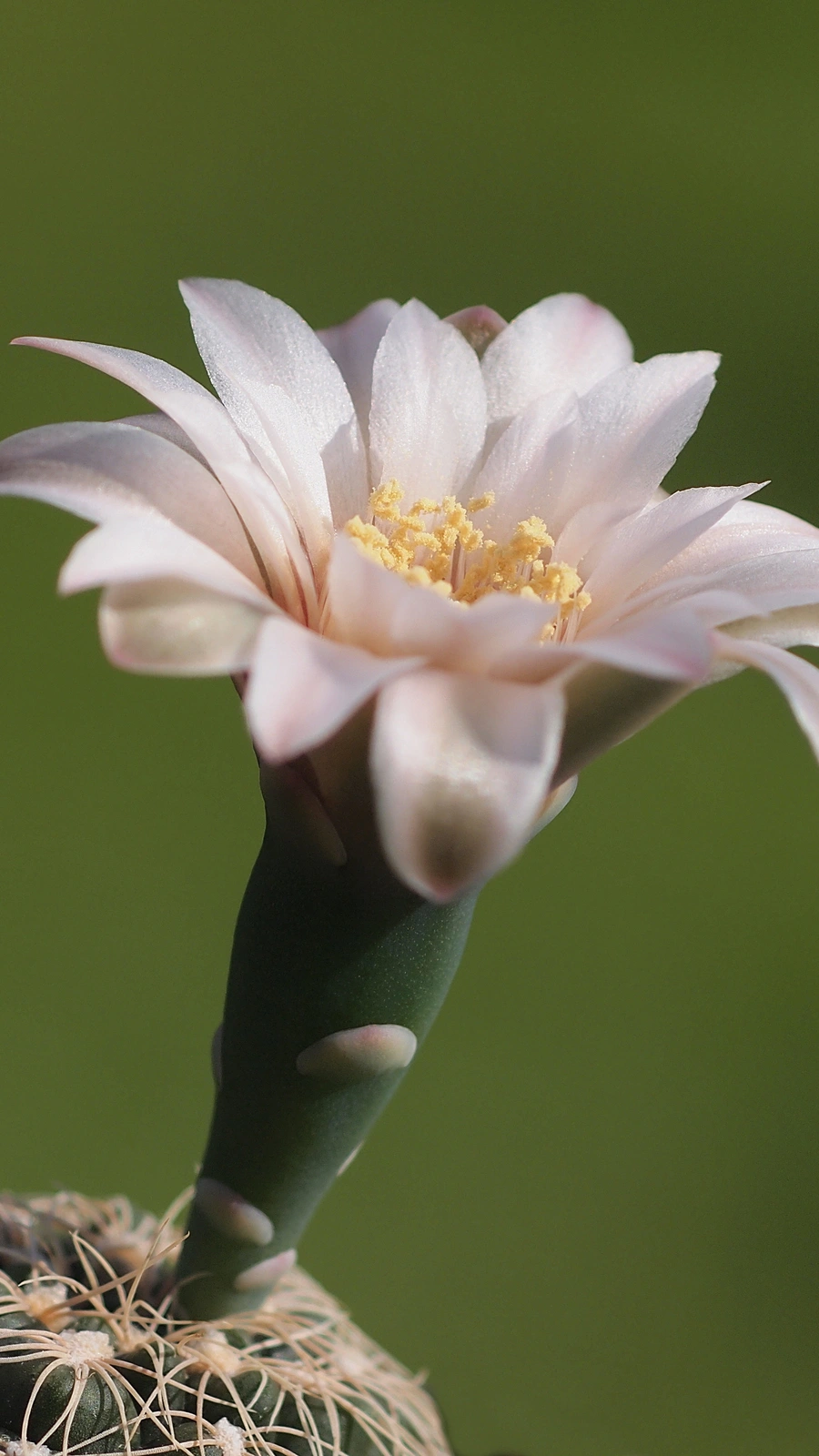 Reference image
Beautiful Green Chin Cactus
Gymnocalycium calochlorum is a small, succulent subshrub belonging to the Cactaceae family. Highly favored by succulent enthusiasts, it is renowned for its globose, symmetric growth pattern and delicate white-to-pinkish funnel-shaped blossoms.
Classified within the genus Gymnocalycium, the specific epithet "calochlorum" derives from the Greek roots "kalos" (meaning beautiful) and "chloros" (meaning green), which directly highlights the attractive, vibrant green hue of its epidermis 1.
This species is endemic to Argentina, specifically thriving in mountain ranges across provinces like Córdoba, San Luis, and surrounding temperate-subtropical zones 2. It is typically found growing at higher elevations nestled among rocky crevices and beneath the light shade of dry shrubs.
The body is solitary or clustering, globose, and slightly flattened at the top, typically measuring up to 6 cm in diameter. It features 10 to 15 flat, low ribs. Spines are needle-like, mostly appressed back against the stem, with a pale yellow or greyish tone. In late spring, it produces beautiful, relatively large, satiny white or pale pink flowers from the woolly crown.
Gymnocalycium calochlorum prefers mineral-rich, well-draining substrate and bright, filtered sunlight. Regular watering should be provided during the active spring and summer growth phases, always allowing the soil mix to dry out completely. During winter dormancy, keeping the plant dry is paramount.
Overwatering is the primary cause of mortality, leading to root rot. Keeping the soil wet in low-temperature conditions or placing the plant in deep shade, which causes unnatural elongated growth (etiolation), are other critical mistakes to avoid.
Prefers bright, indirect light or soft morning sun. Protect from scorching midday rays.
Let the potting medium dry out 100% between waterings. Reduce to a minimum in winter.
Requires highly porous mineral substrate with plenty of pumice, perlite, and coarse sand.
Non-toxic to pets, but physical contact with its sharp spines should be avoided.
Very easy to maintain as long as you do not overwater and provide adequate winter rest.
Endemic to the mountainous and rocky areas of central Argentina, specifically around the Córdoba hills, where it grows in pockets of rich but stony soil.
