
Light
Bright Indirect Light
A bright, indirect light location, such as a windowsill with morning sun, is ideal. Protect it from the intense, scorching midday sun.
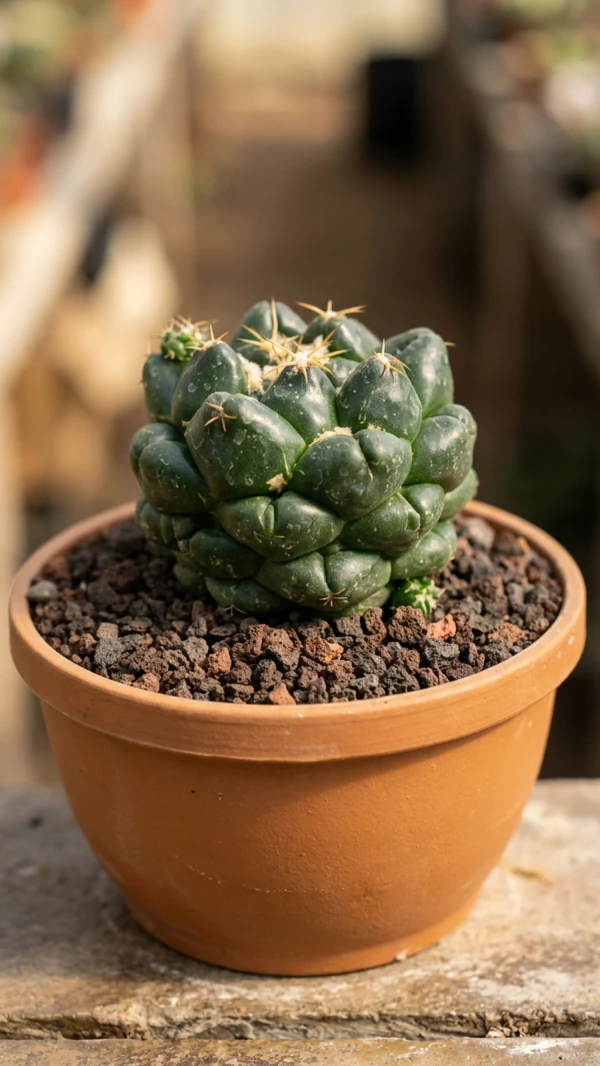
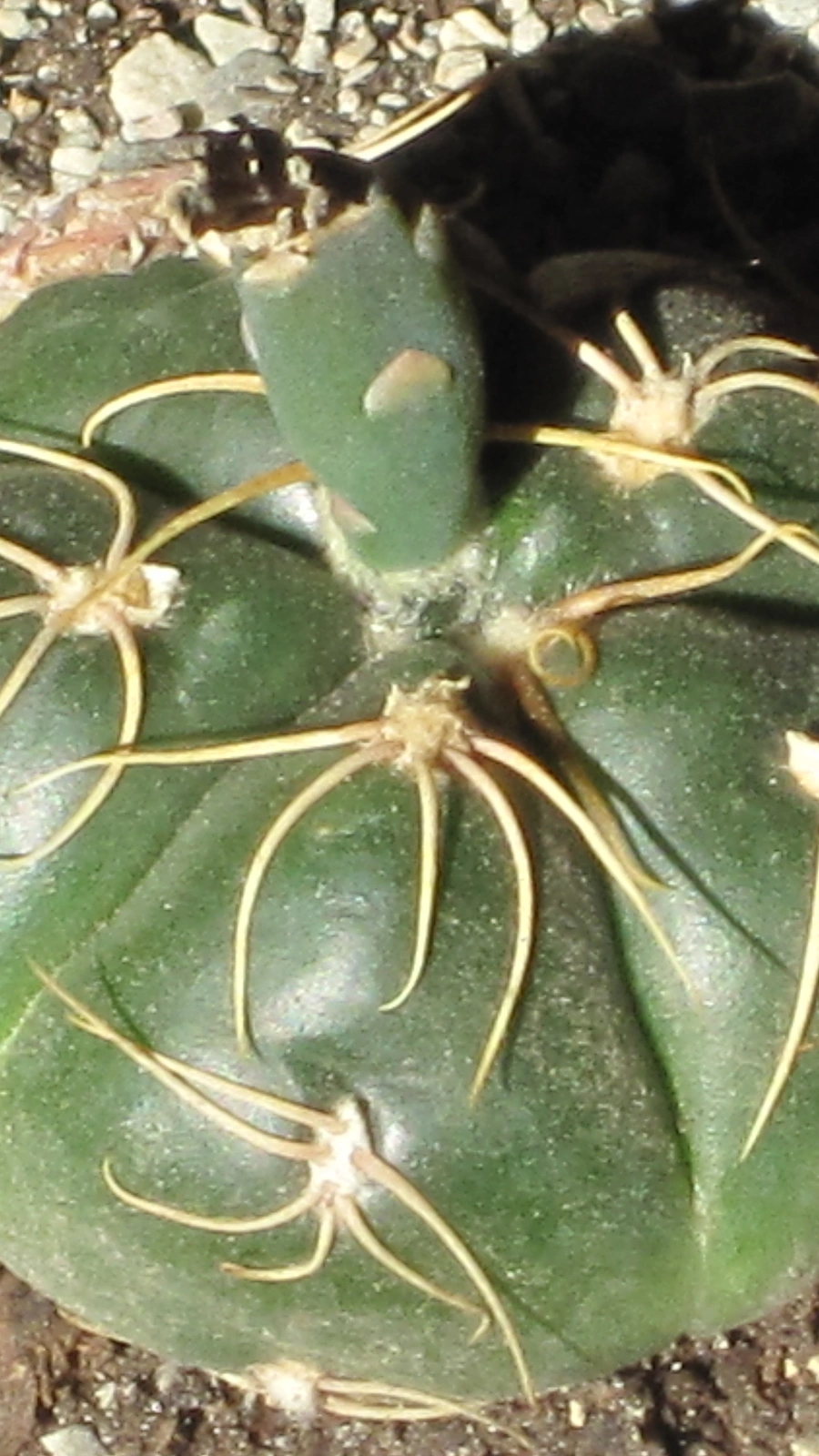 Reference image
Spider Cactus
Gymnocalycium denudatum, a popular cactus species belonging to the Cactaceae family, is native to the warm and arid regions of South America. Commonly known as the "Spider Cactus" or "Spider Lily Cactus", this plant is a favorite among cactus enthusiasts for its distinctive appearance and striking flowers 1. The genus name "Gymnocalycium" derives from the Greek words "gymnos" (naked) and "calyx" (cup), referring to the spineless flower buds, while "denudatum" is Latin for "denuded" or "naked," alluding to its sparse spines on the stem.
Gymnocalycium denudatum typically features a flattened, globular stem that can reach 10-15 cm in diameter as it matures. The stem is adorned with prominent, sharply defined, and slightly wavy ribs, usually numbering between 5 and 8. These ribs enhance the plant's water storage capacity, aiding its adaptation to arid conditions. Areoles are spaced along these ribs and generally bear very short, sometimes curved, barely noticeable spines, contributing to its "denuded" look 2. Over time, it can produce offsets around the main plant, forming attractive clumps.
This cactus species is renowned for its large, funnel-shaped flowers that bloom from late spring to early summer. The flowers can vary in color, typically appearing in shades of white, cream, pink, or light red, emerging individually from the plant's apex to create a spectacular display. For optimal growth and flowering, it thrives in bright conditions but should be protected from intense, direct midday sun. Well-draining cactus soil and allowing the soil to completely dry out between waterings are crucial for its health. During winter months, it requires less water and a cool resting period to encourage prolific blooming. Gymnocalycium denudatum is an excellent choice for both beginner and experienced cactus growers due to its hardiness and relatively easy care.
References:
A bright, indirect light location, such as a windowsill with morning sun, is ideal. Protect it from the intense, scorching midday sun.
Allow the soil to completely dry out before watering again. Minimize watering frequency during winter. Overwatering is the primary cause of root rot.
Use a fast-draining, sandy, and aerated cactus/succulent soil mix. Refresh the soil when repotting.
Not considered toxic to pets or humans, but its small spines might cause mild irritation. Keeping it out of reach of children and pets is a good practice.
This is a relatively easy-to-care-for cactus species. It's a suitable choice even for beginner plant enthusiasts. Adhering to basic cactus care rules is sufficient.
Gymnocalycium denudatum is naturally distributed across northeastern and central Argentina, Uruguay, and the southern states of Brazil, particularly in the regions of Rio Grande do Sul, Santa Catarina, and Paraná. The open grasslands and rocky areas within these regions provide suitable habitats for the plant's drought-tolerant nature.
