
Light
Bright Indirect Light
Prefers bright, indirect sunlight or filtered sun; shield from harsh, direct summer afternoon sun.
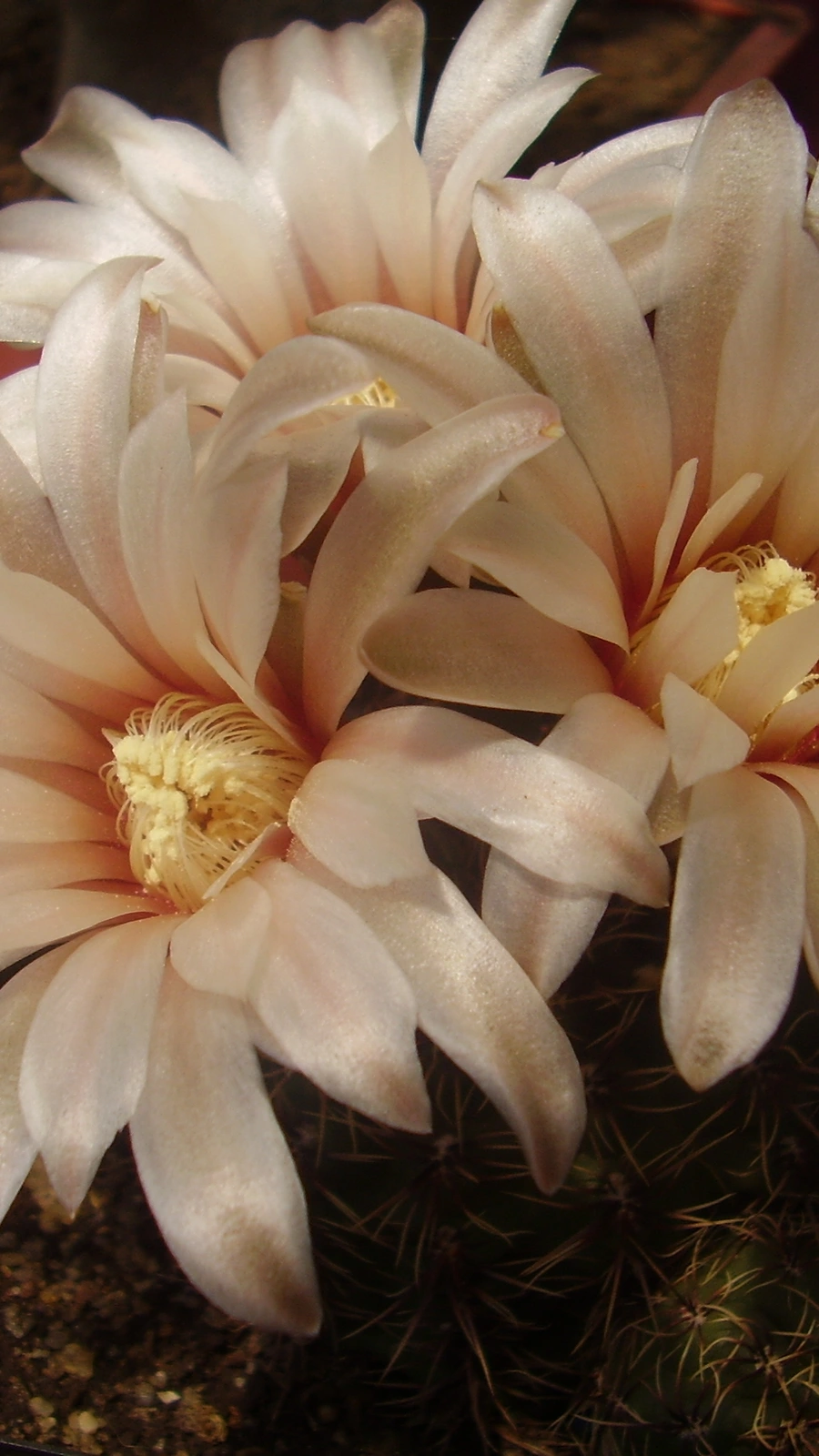 Reference image
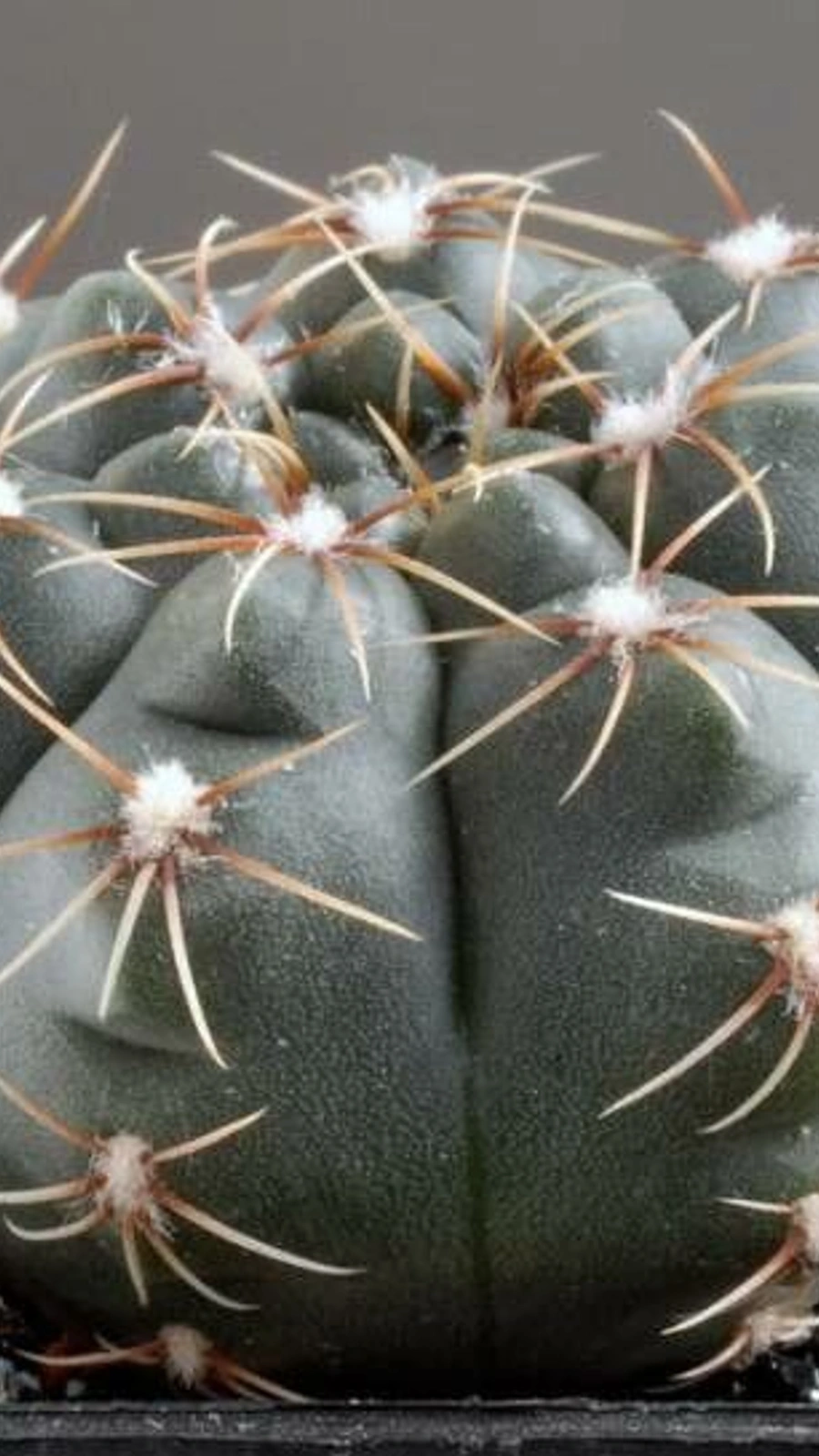 Reference image
Hedgehog Chin Cactus
Gymnocalycium erinaceum is a charming, small-growing cactus species within the family Cactaceae. Highly prized by succulent enthusiasts, this species is known for its compact size, dense spination, and ease of culture 1.
Belonging to the genus Gymnocalycium, its species epithet 'erinaceum' is derived from the Latin word for hedgehog, 'erinaceus', reflecting its dense, defensive coat of curved spines 2.
This species is native to Southern South America, specifically Argentina. It is widely distributed across the rocky slopes and gravelly hills of Córdoba and San Luis provinces, thriving in subtropical and semi-arid conditions 1.
The stem is solitary, globose to slightly flattened, typically sporting a dark green, brownish-green, or grayish-olive epidermis. Ribs are well-defined, bearing woolly areoles with sharp, slightly curved, needle-like spines. During late spring and summer, it produces beautiful, funnel-shaped flowers that are white to pale pink 2.
In cultivation, Gymnocalycium erinaceum is highly rewarding. It prefers bright, filtered light rather than scorching direct mid-day sun, which can sunburn its epidermis. Watering should follow the soak-and-dry method, ensuring the substrate dries out completely between waterings 1. It requires cold but dry conditions during winter dormancy.
Overwatering during the cold winter months is the most frequent mistake, which invariably leads to root rot. Additionally, planting in heavy, clay-rich soil without adequate drainage grit will stunt growth and compromise the plant's health.
Prefers bright, indirect sunlight or filtered sun; shield from harsh, direct summer afternoon sun.
Allow the potting medium to dry out completely before watering again. Keep completely dry in winter.
Use a specialized mineral-rich cactus mix with at least 50% grit, pumice, or perlite for optimal drainage.
Non-toxic to pets and humans, but equipped with sharp spines. Handle with care and keep out of reach of pets.
Very easy to maintain, making it ideal for beginners who can resist the urge to overwater.
Native to the rocky terrains, stony hillsides, and sparse grasslands of Central Argentina, particularly in Córdoba. It grows nestled among grasses and stones which offer partial shade during the hottest parts of the day.
