
Light
Bright Indirect Light
Prefers bright, indirect sunlight or filtered light; intense direct sun may scorch the epidermis.
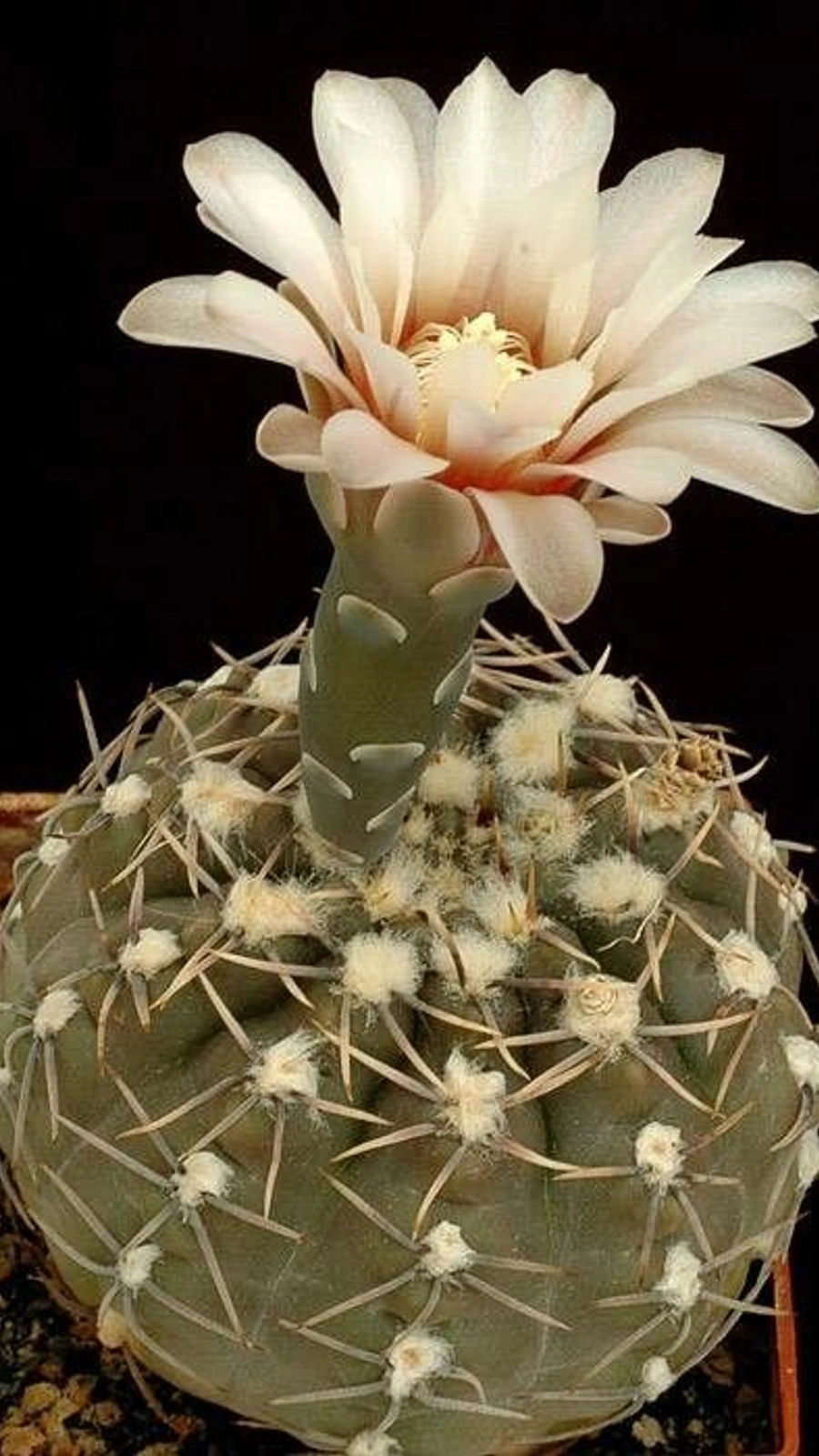 Reference image
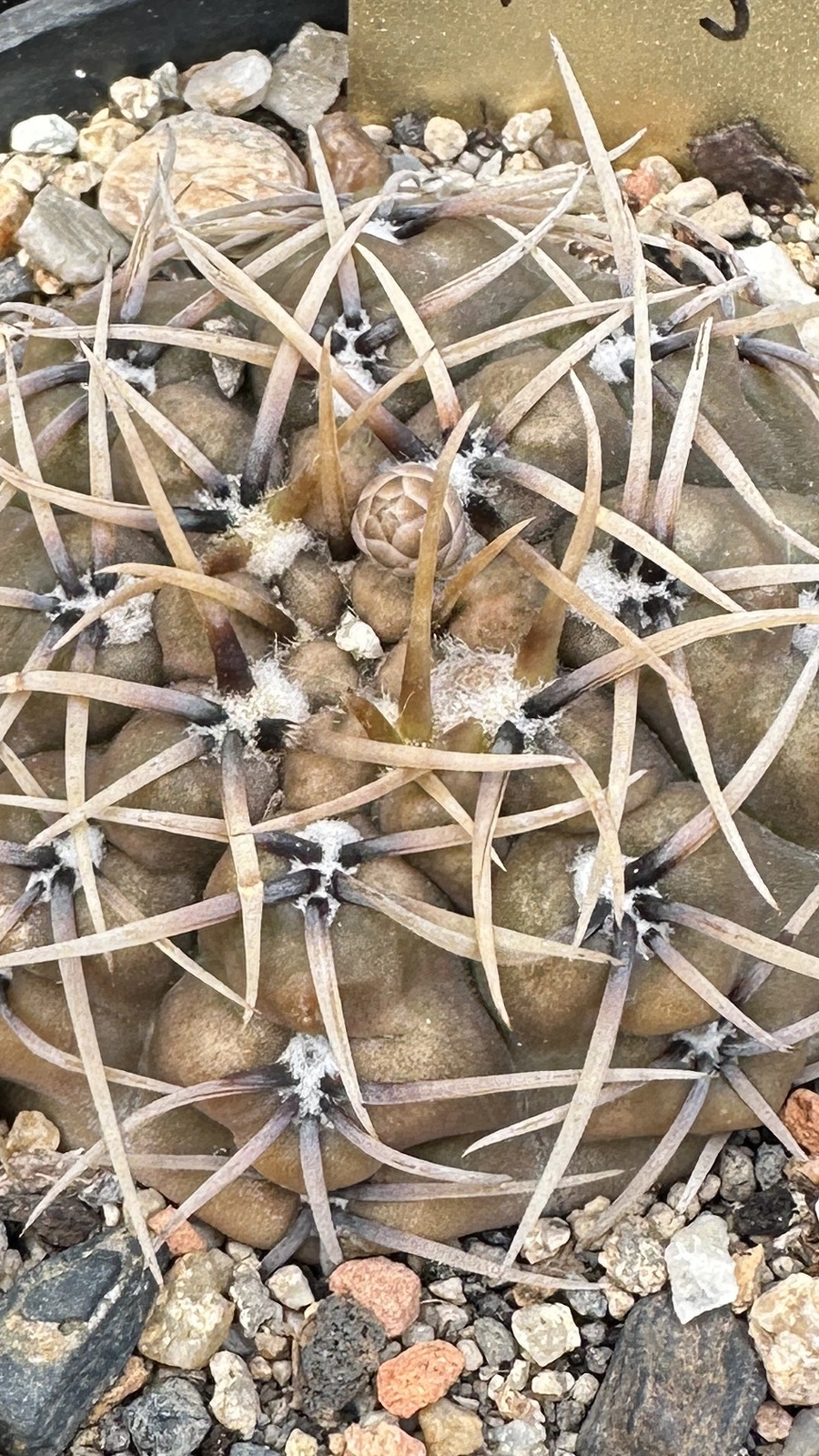 Reference image
Kiesling's Chin Cactus
Gymnocalycium kieslingii is a small, globose cactus species within the family Cactaceae. Known for its compact habit and ease of care, it is highly valued by succulent enthusiasts for its neat appearance and beautiful blooms 1.
Belonging to the genus Gymnocalycium, the species epithet 'kieslingii' honors the prominent Argentine botanist Roberto Kiesling. The generic name refers to the 'naked calyx' of the flower buds, which lack hairs or spines 2.
This species is native to northwestern Argentina, particularly the La Rioja province. It grows in subtropical, arid environments, usually nestled among rocky crevices, gravelly soils, and under the protective shade of low shrubs 1.
The stem is solitary, flattened-globose, grey-green to dull green, reaching up to 10 cm in diameter. It features low ribs with small, recurved yellowish-grey spines that lie relatively flat against the body. Showy funnel-shaped flowers emerge from the crown, typically white, cream, or pale pink.
It thrives in a highly porous, mineral-rich potting mix. Water thoroughly during spring and summer once the soil dries out completely, and keep entirely dry in winter. It prefers bright, indirect sunlight or light shade.
Overwatering and poor drainage are the most common causes of failure, quickly leading to root and stem rot 1. Additionally, sudden exposure to intense, direct afternoon sun can cause permanent scorch marks on its skin.
Prefers bright, indirect sunlight or filtered light; intense direct sun may scorch the epidermis.
Water only when the substrate is fully dry. Maintain a strict dry period during winter.
Requires excellent drainage; use a soil mix high in pumice, grit, and perlite.
Non-toxic to pets, but has sharp spines that require careful handling.
Very easy to care for, making it ideal for beginners who can avoid overwatering.
Found naturally in the arid, gravelly slopes of La Rioja province in Argentina, growing in subtropical shrublands where it often hides under nurse plants.
