
Light
Bright Indirect Light
Thrives in bright, indirect sunlight. Shield from intense afternoon sun.
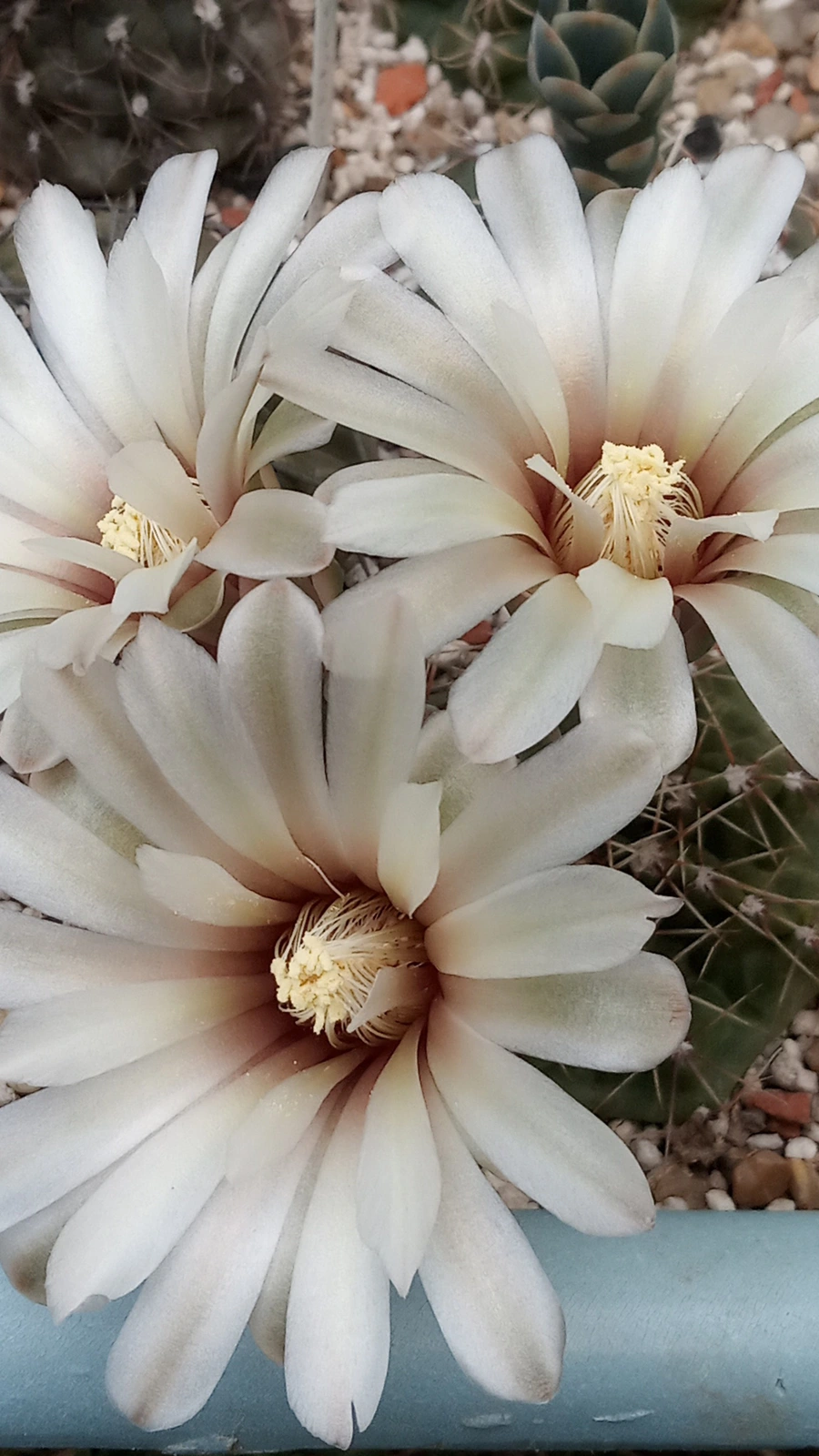 Reference image
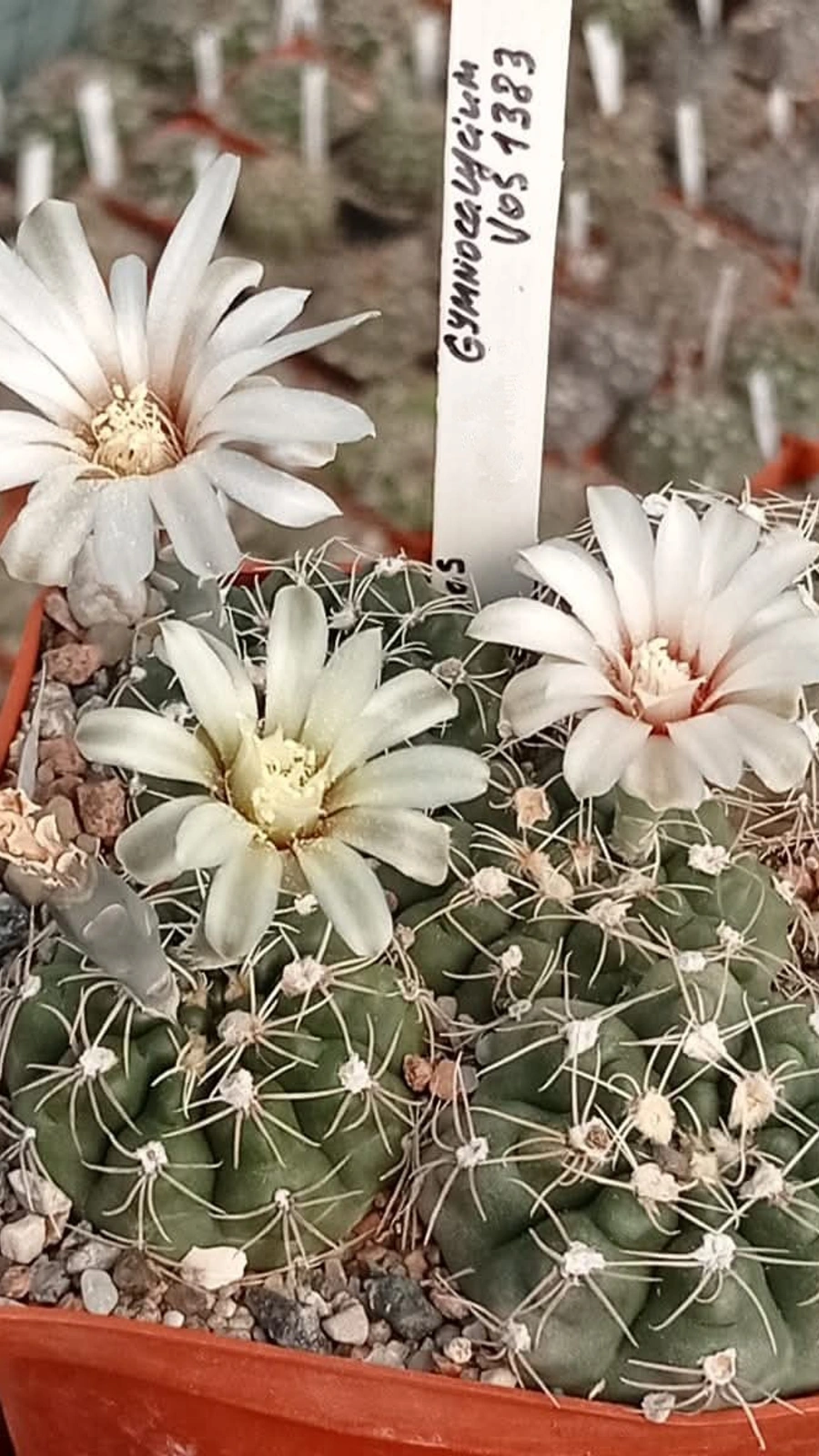 Reference image
Kuehhas Chin Cactus
Gymnocalycium kuehhasii is a highly sought-after, small-growing globose cactus species within the family Cactaceae. Known for its charming flattened-globular shape and prominent tubercle architecture, it is a prized specimen among succulent enthusiasts 1.
The species belongs to the genus Gymnocalycium, commonly referred to as chin cacti due to the chin-like protrusions below the areoles. It was named in honor of Elisabeth Kühhas, a dedicated Austrian cactus researcher. It shares close morphological affinities with the Gymnocalycium calochlorum complex 2.
Gymnocalycium kuehhasii is native to Southern South America, specifically endemic to the mountainous regions of central Argentina, including Córdoba and San Luis provinces. It thrives in subtropical, rocky terrains, often growing in rock crevices or under the light shade of grasses and low shrubs.
The stem is solitary, flattened-globular, reaching up to 6-8 cm in diameter, and possesses a dull grayish-green skin. It features well-defined ribs divided into distinct chin-like tubercles. Areoles bear radial, slightly curved, yellowish to gray spines. The funnel-shaped flowers are born at the apex, showcasing beautiful shades of pale pink, ivory, or white.
In cultivation, it requires an open, mineral-based substrate with excellent drainage. Water thoroughly during the active growing season (spring and summer) only when the soil is completely dry. In winter, maintain a dry regime and keep the plant in cool temperatures to trigger successful spring blooming.
The most prevalent issue is root rot triggered by waterlogged soils or watering during the cold winter dormancy 1. Insufficient light exposure will also cause the plant to lose its compact shape, leading to weak, elongated growth.
Thrives in bright, indirect sunlight. Shield from intense afternoon sun.
Water thoroughly only when the soil is completely dry. Keep dry in winter.
Highly porous mineral mix with pumice, perlite, and coarse sand.
Spines can puncture skin. Non-toxic to pets, but handle with care.
Very easy to care for if overwatering is strictly avoided.
Found natively in the grassy, rocky mountain slopes of central Argentina, growing in semi-shaded, dry subtropical habitats.
