
Light
Bright Indirect Light
Thrives in bright, indirect light or filtered sun. Protect from intense afternoon sun.
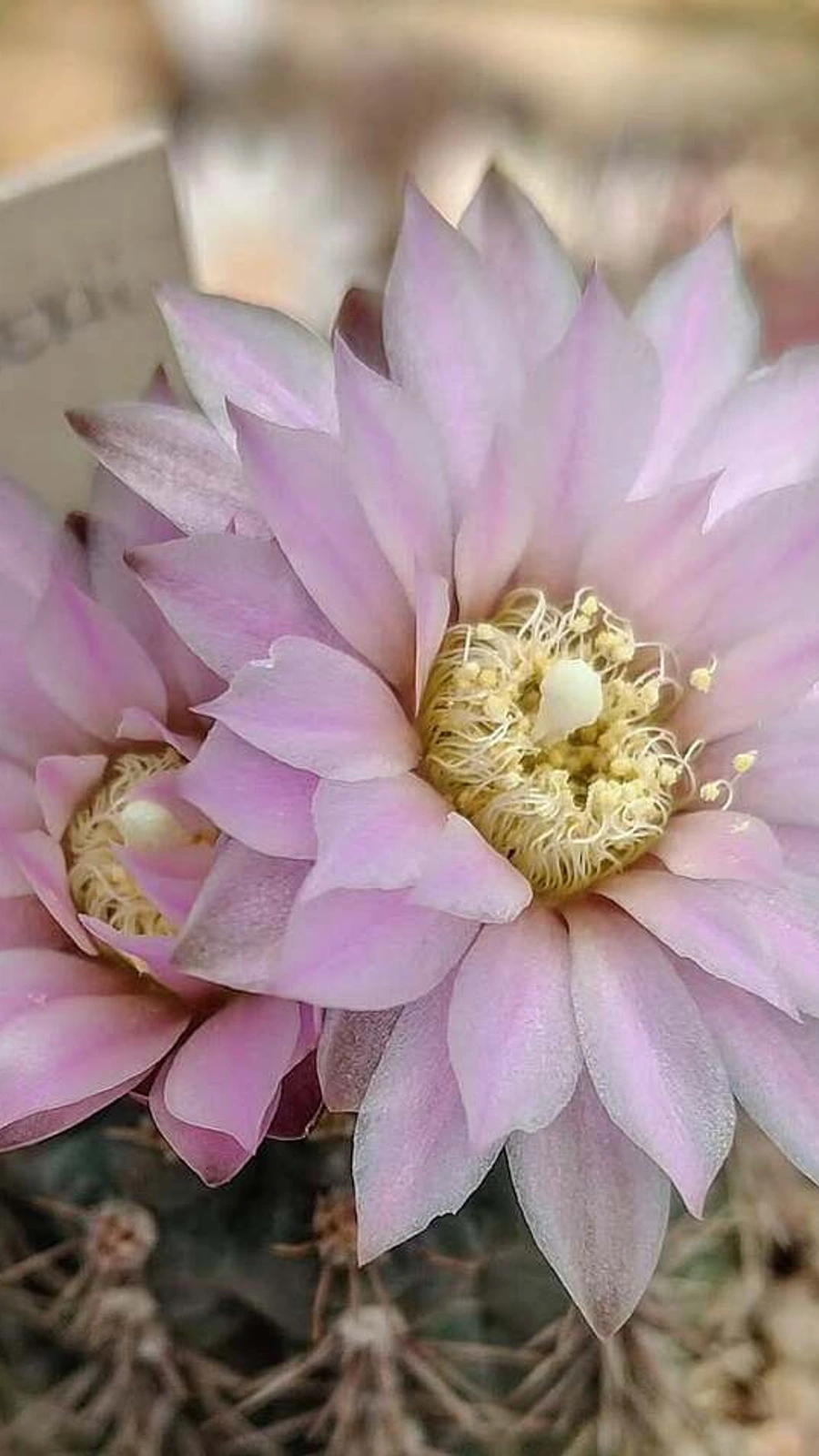 Reference image
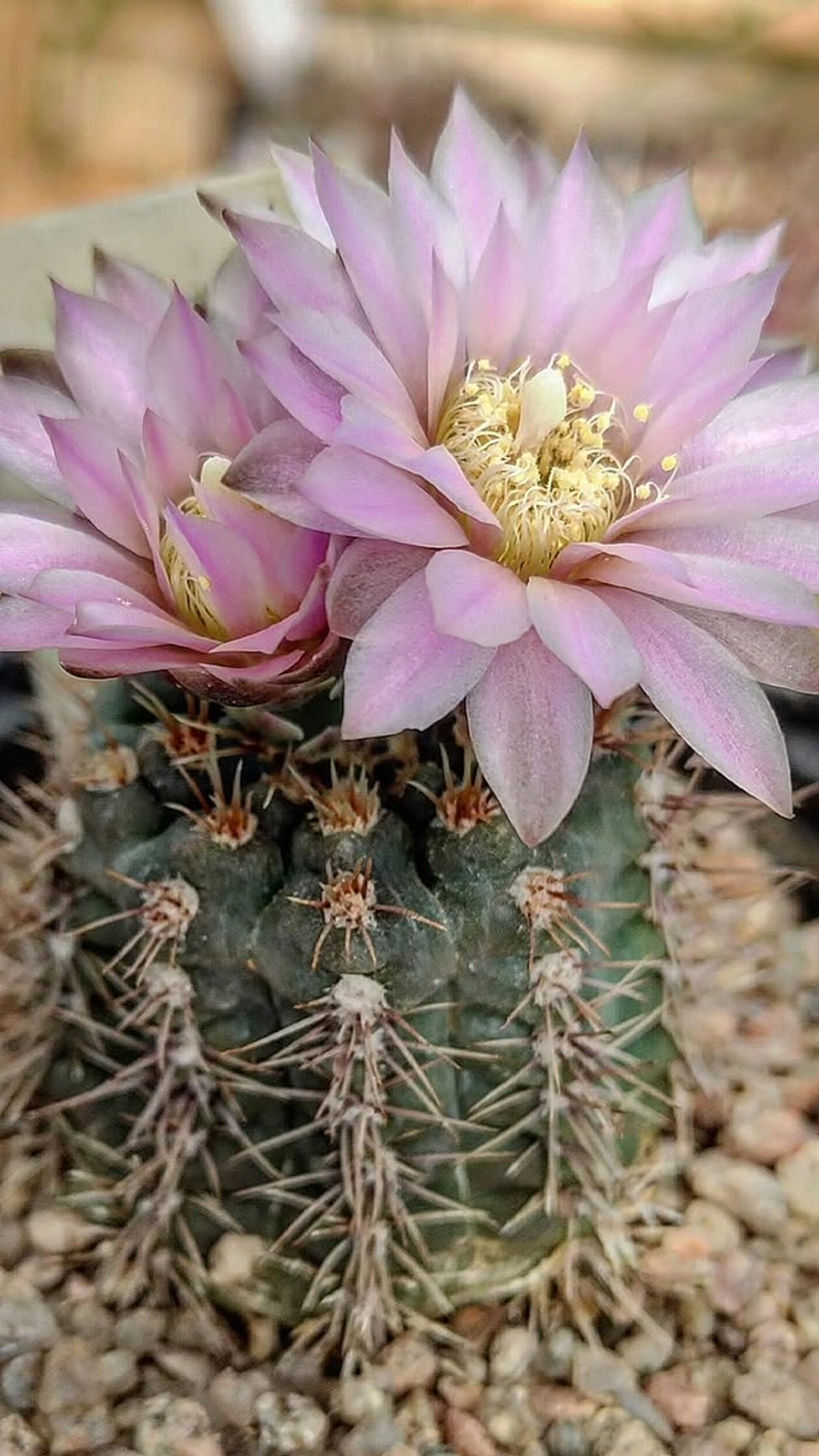 Reference image
Gymnocalycium kulhanekii is an attractive, globular cactus belonging to the Cactaceae family. Highly appreciated by succulent collectors, this species is characterized by its flattened-spherical stem and robust, decorative spination. It naturally grows as a succulent subshrub in subtropical environments.
Within the genus Gymnocalycium, this species stands out for its unique rib structure and flower morphology. Named in honor of the cactus enthusiast Kulhanek, it shares the typical genus trait of 'naked calyx' flowers, referring to the spineless, smooth scales on the floral tube 1.
Native to Southern South America, specifically Argentina, Gymnocalycium kulhanekii thrives in subtropical biomes 2. It is commonly found growing in rocky soils, often sheltered under the canopy of dry shrubs or grasses, which protects it from the intense midday sun.
The body of this cactus is grayish-green, turning purplish-bronze when exposed to bright light. Its ribs are well-defined, bearing felted areoles with curved, robust spines. In late spring and summer, it produces beautiful, funnel-shaped flowers that range from white to pale cream.
In cultivation, it requires a very porous, mineral-rich potting mix. Watering should be done thoroughly but only when the substrate is completely dry. During the winter dormancy, the plant should be kept cool and almost entirely dry to prevent rot.
Overwatering is the primary cause of failure with this species, quickly leading to root and stem rot 2. Inadequate light may cause the stem to etiolate (stretch), while sudden exposure to direct, harsh sunlight can cause permanent scorch marks.
Thrives in bright, indirect light or filtered sun. Protect from intense afternoon sun.
Allow soil to dry out completely between waterings. Keep nearly dry in winter.
Requires excellent drainage. Use a mix rich in pumice, gravel, and minimal organic matter.
Non-toxic, but handle with care due to its sharp spines.
Very easy to care for if overwatering is strictly avoided.
Native to the subtropical regions of Southern South America, primarily within Argentina, where it inhabits rocky slopes and grassy plains under partial shade of dry shrubs.
