
Light
Bright Indirect Light
Prefers bright, filtered sunlight; shield from direct afternoon sun to prevent sunburn.
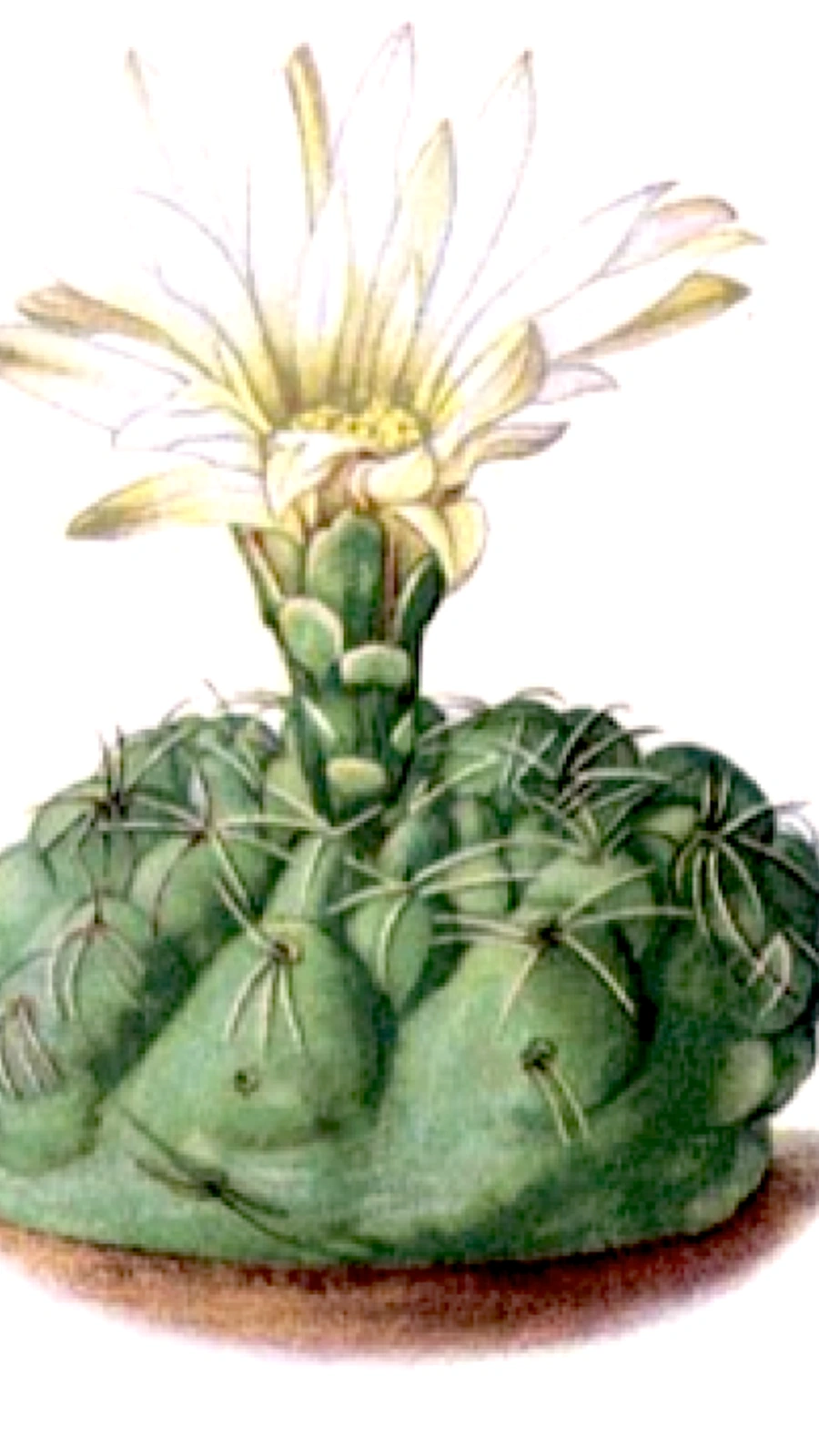 Reference image
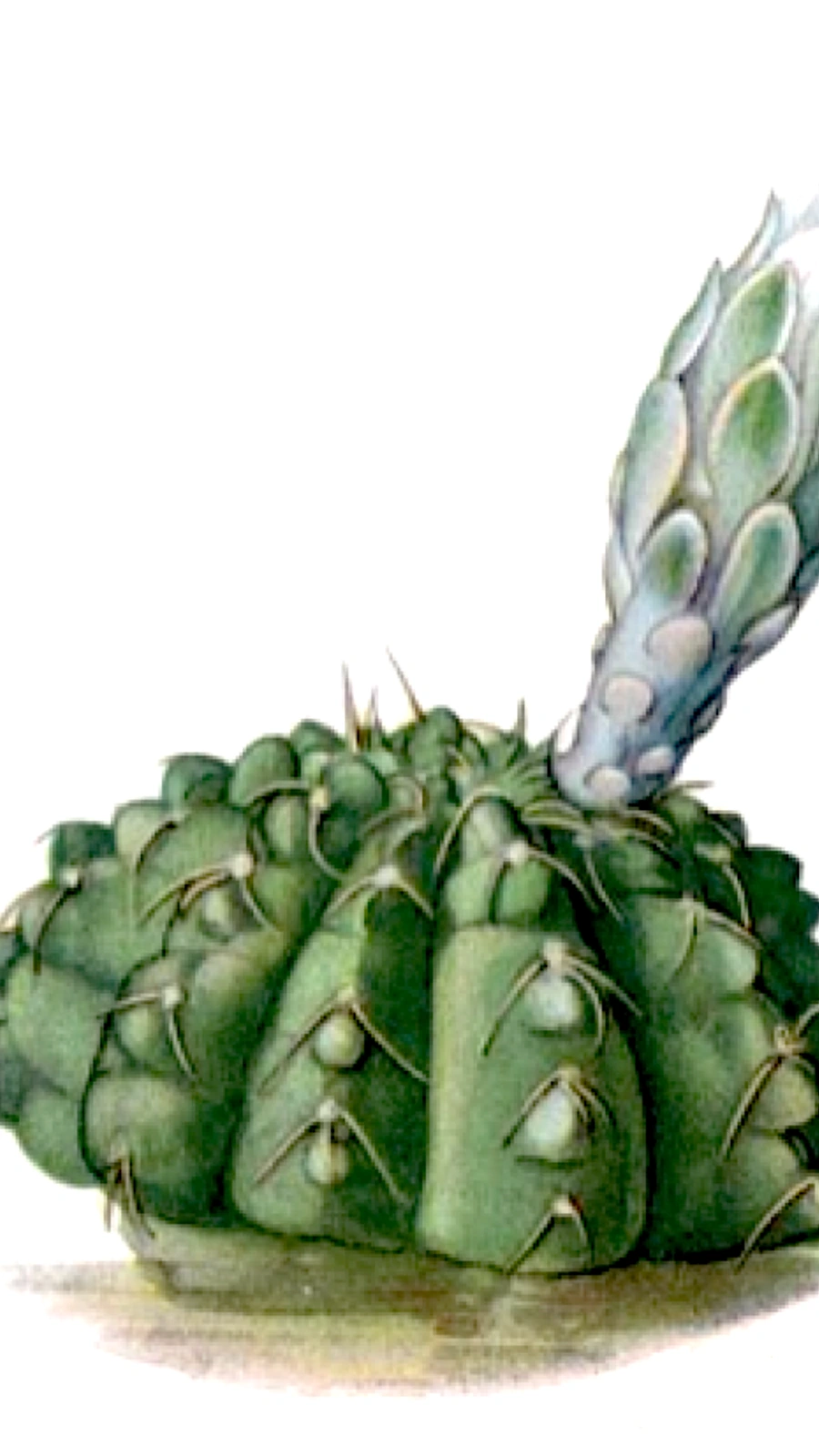 Reference image
Slender-flowered Chin Cactus
Gymnocalycium leptanthum is a miniature, highly sought-after succulent subshrub belonging to the Cactaceae family. It is widely appreciated by collectors for its elegant, slender-tubed white flowers and its compact growth habit 1.
The genus name Gymnocalycium is derived from the Greek words gymnos (naked) and kalyx (bud), referring to the characteristic lack of hair or spines on the flower buds. The specific epithet leptanthum translates to "slender-flowered", highlighting the delicate structure of its blooms 2.
This species is native to southern South America, specifically the northwestern and central provinces of Argentina, including San Juan, San Luis, Córdoba, and Tucumán 1. It thrives in subtropical climates, usually growing in gravelly soils, rocky crevices, or under the protective shade of low-growing shrubs.
The stem is solitary, globose to slightly flattened, presenting a dark grey-green to brownish hue. It features low ribs divided into chin-like tubercles. The spines are radial, flattened against the stem surface. Its exquisite flowers are slender, funnel-shaped, and usually white to pale cream, appearing from the apex.
In cultivation, it is remarkably easy to maintain. It prefers bright, filtered sunlight over direct midday exposure, which can scorch its epidermis. Water thoroughly during the active spring and summer growth phases, allowing the substrate to dry completely between sessions 3.
Excessive watering and heavy, non-porous soil mixtures are the main causes of root rot. Additionally, keeping the plant warm and wet during winter will prevent it from entering dormancy, thus inhibiting future flowering.
Prefers bright, filtered sunlight; shield from direct afternoon sun to prevent sunburn.
Let the soil dry out entirely. Stop watering almost completely during winter.
Use a mineral-heavy, porous substrate with plenty of pumice and coarse sand.
Non-toxic, but features sharp appressed spines; handle with care around pets.
Easy to grow; ideal for beginners seeking regular flowering under correct winter conditions.
Native to the arid, subtropical grassy hills and rocky slopes of central and northwestern Argentina, where it grows sheltered by grasses and small shrubs.
