
Light
Bright Indirect Light
Requires bright, filtered sunlight. Avoid direct, scorching afternoon rays.
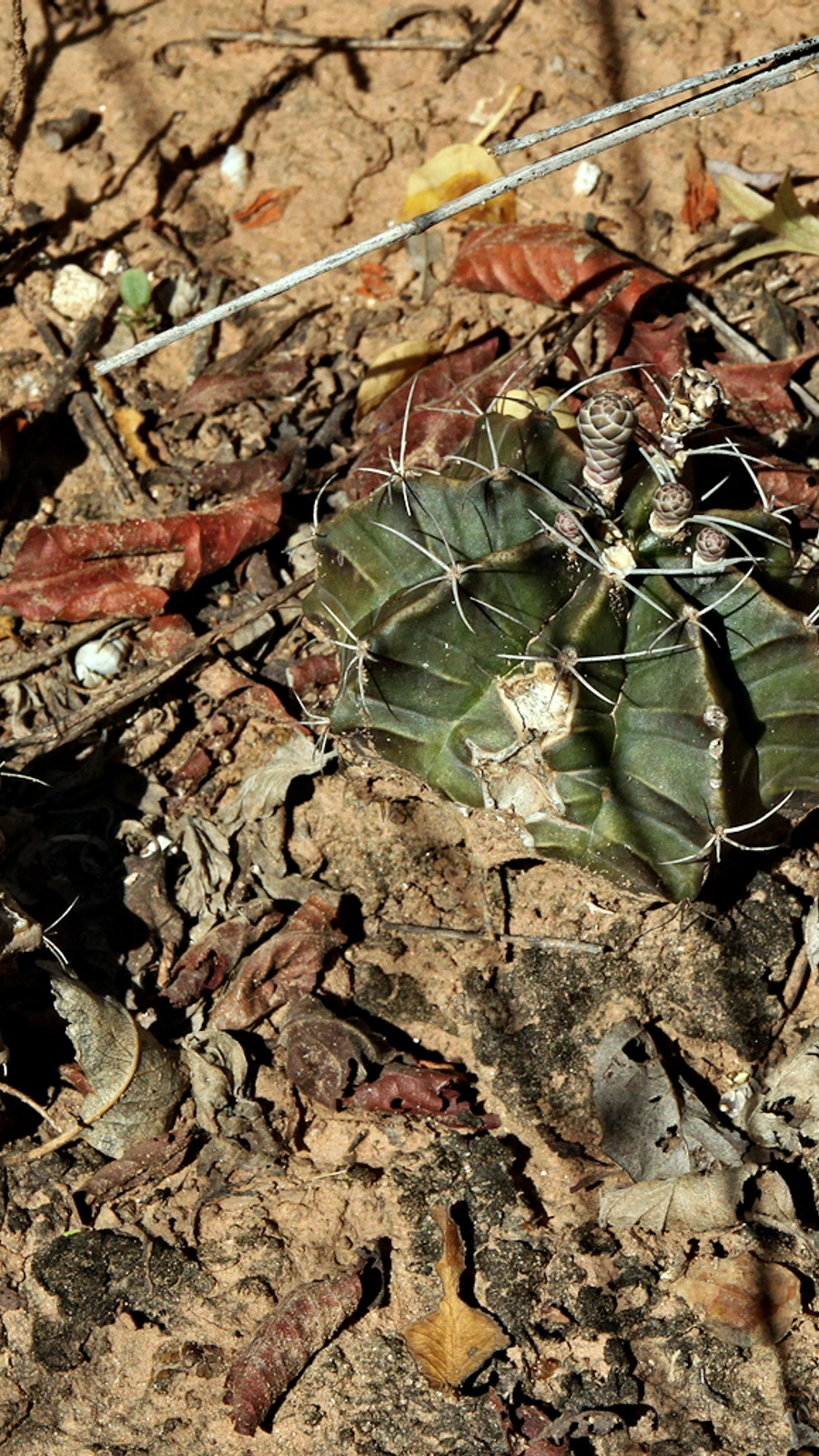 Reference image
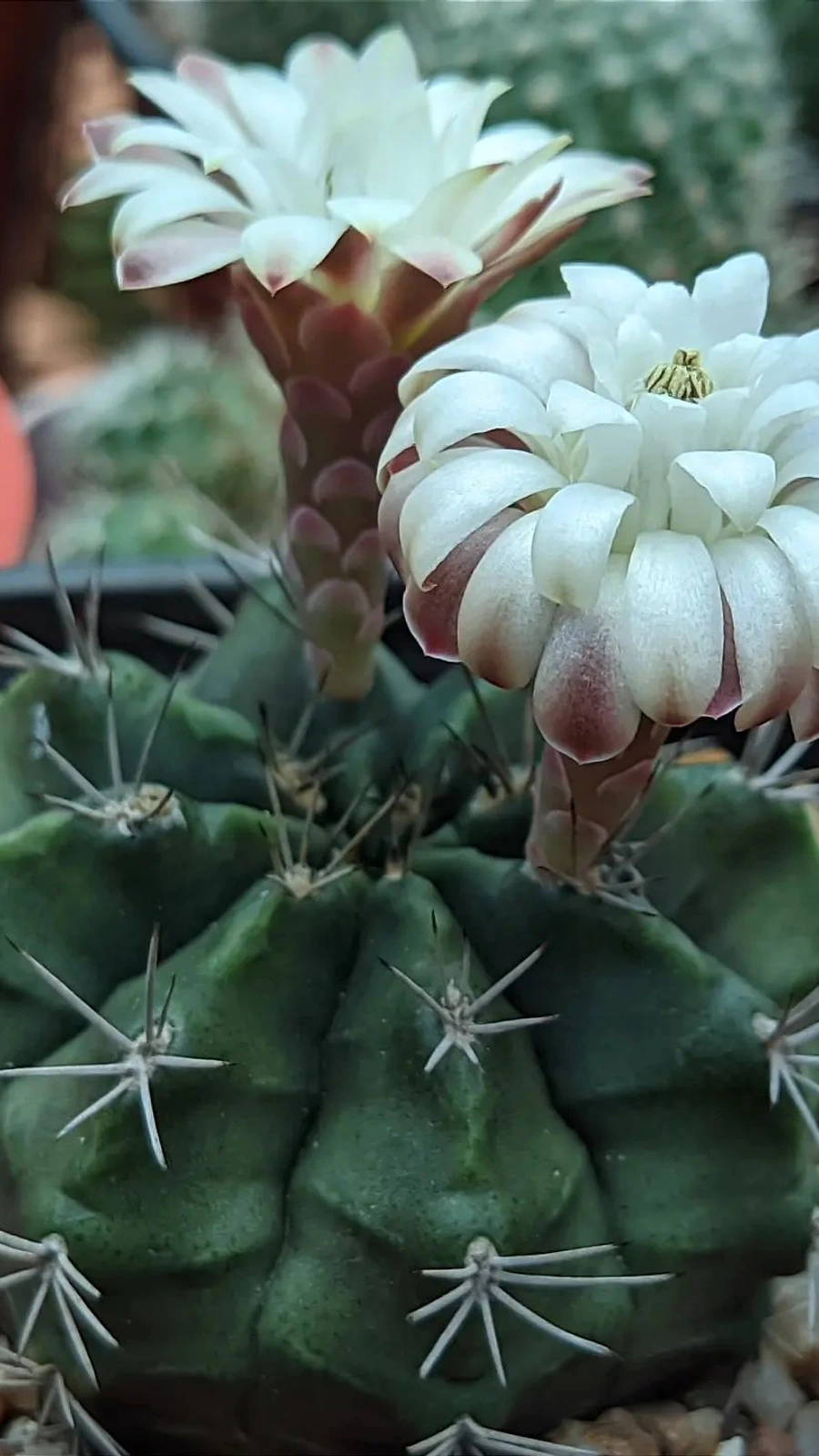 Reference image
Mendoza Chin Cactus
Gymnocalycium mendozaense is a highly sought-after, small succulent subshrub belonging to the family Cactaceae. Known for its geometric rib patterns and neatly arranged spines, it is a classic representative of the 'chin cacti' group.
Belonging to the tribe Trichocereeae under the Cactaceae family, the genus name Gymnocalycium originates from the Greek words for 'naked calyx' 1. This refers to the hairless, scale-free flower buds that distinguish this group. The specific epithet mendozaense denotes the geographical association with the region of its collection.
Native to southern South America, specifically Paraguay, this species thrives in seasonally dry tropical biomes 2. It is often found growing under the dappled shade of deciduous scrub, nestled in sandy, rocky soils where moisture is conserved after brief rains.
This cactus exhibits a solitary, globose to flattened-globose stem with a dull green to greyish-green epidermis. Ribs are well-defined, featuring woolly areoles from which slightly curved, sharp spines radiate. The flowers emerge from the apical meristem, presenting beautiful shades of white or pale pink.
Gymnocalycium mendozaense requires a highly porous, mineral-based potting substrate with excellent drainage. Watering should be thorough during the spring and summer active growth seasons, followed by a dry, cool winter dormancy period to encourage next season's blooms.
Overwatering and the use of heavy clay soils are the leading causes of root rot in this species. Additionally, sudden exposure to intense, direct afternoon sunlight can permanently scorch and scar the plant's skin.
Requires bright, filtered sunlight. Avoid direct, scorching afternoon rays.
Allow the potting mix to dry completely before watering. Reduce drastically in winter.
Requires extremely porous soil mix high in pumice, grit, and coarse sand.
Non-toxic, but sharp spines can cause physical injury. Handle with care.
Very easy to maintain if watering is kept to a minimum and soil is fast-draining.
Hails from the seasonally dry tropical areas of Southern South America, primarily within Paraguay, where it populates rocky outcroppings and semi-shaded terrain.
