
Light
Bright Indirect Light
Prefers bright, indirect sunlight or filtered sun; shield from harsh midday summer rays.
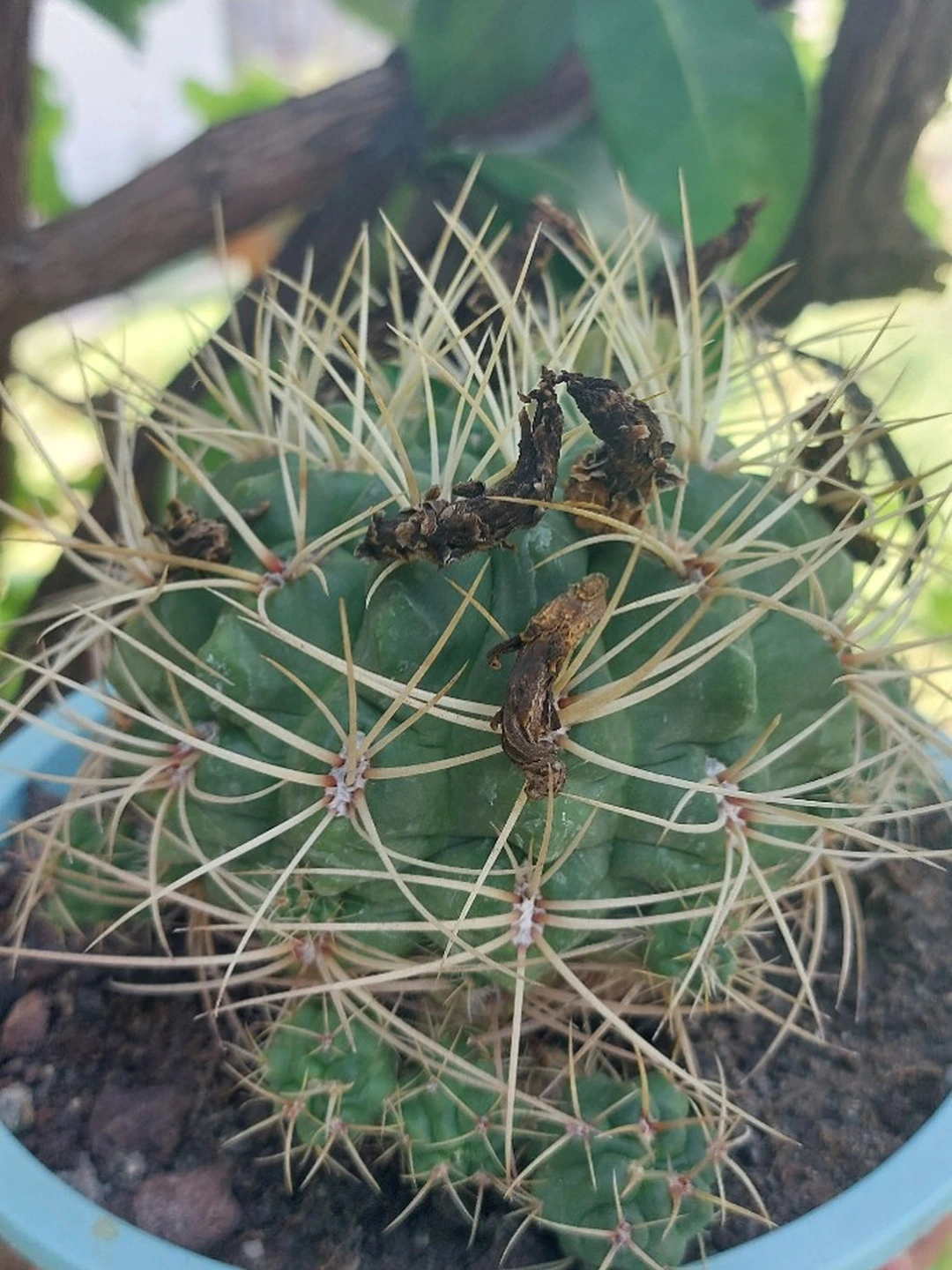
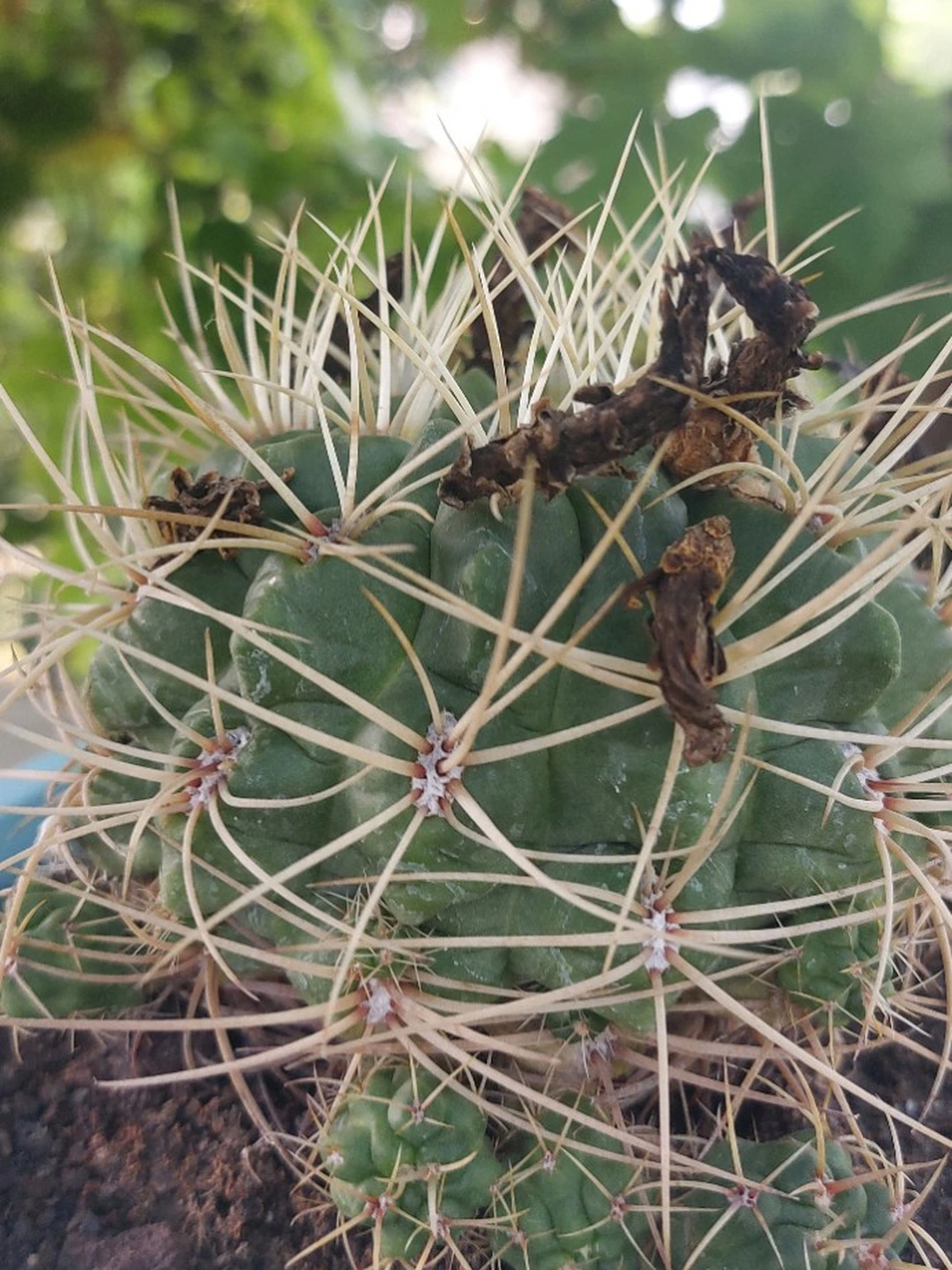
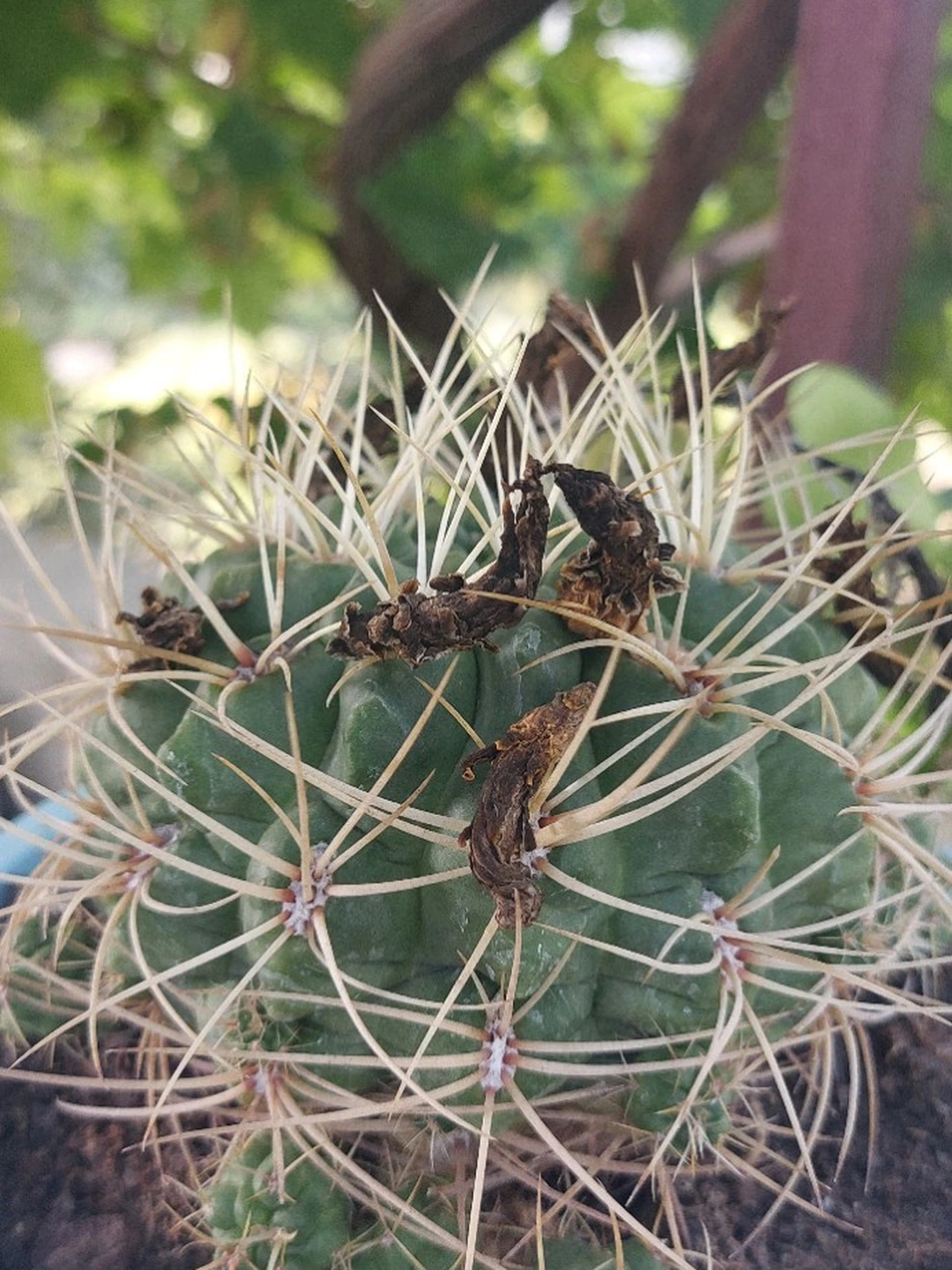
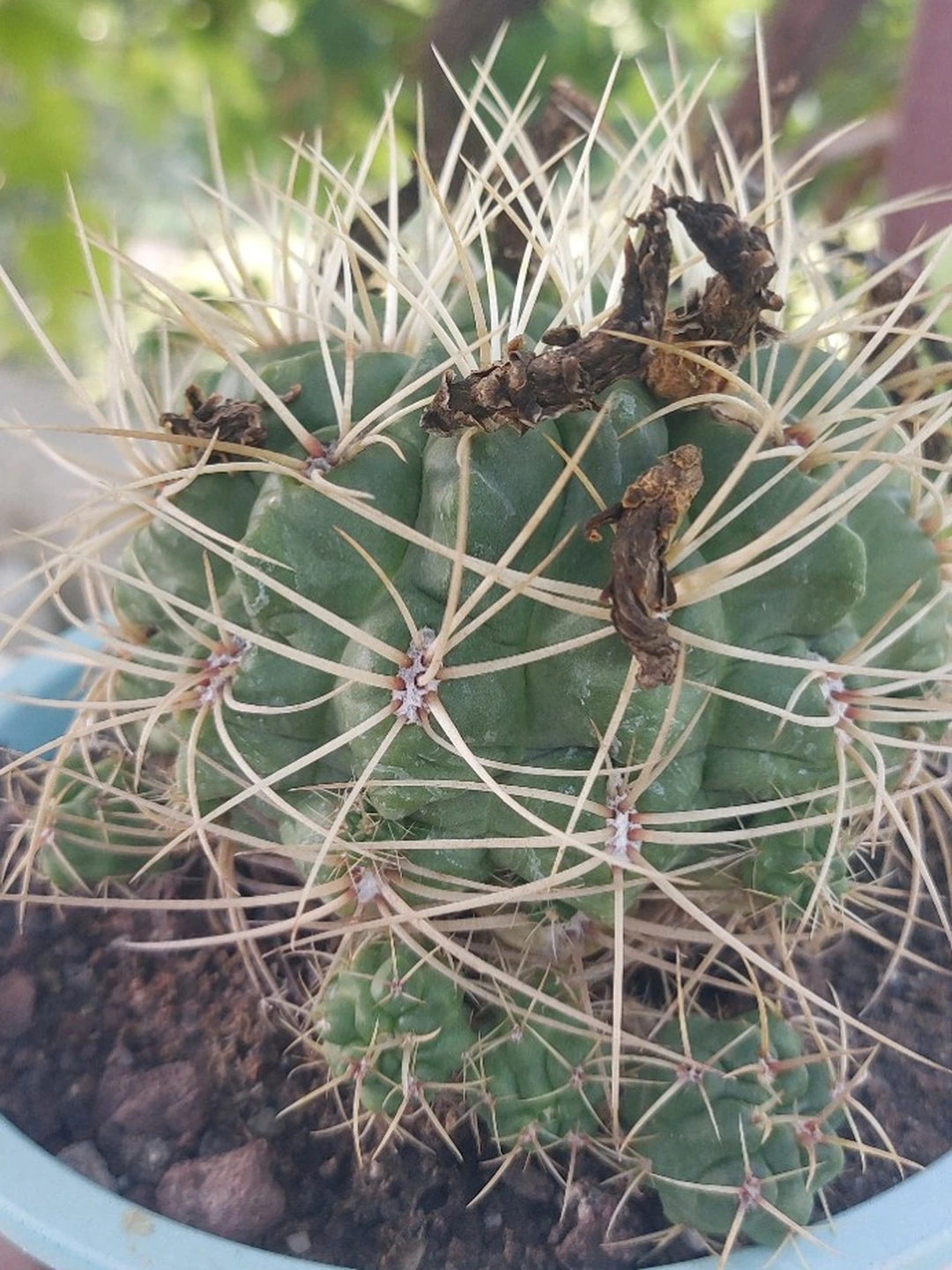
 Reference image
 Reference image
Monville's Chin Cactus
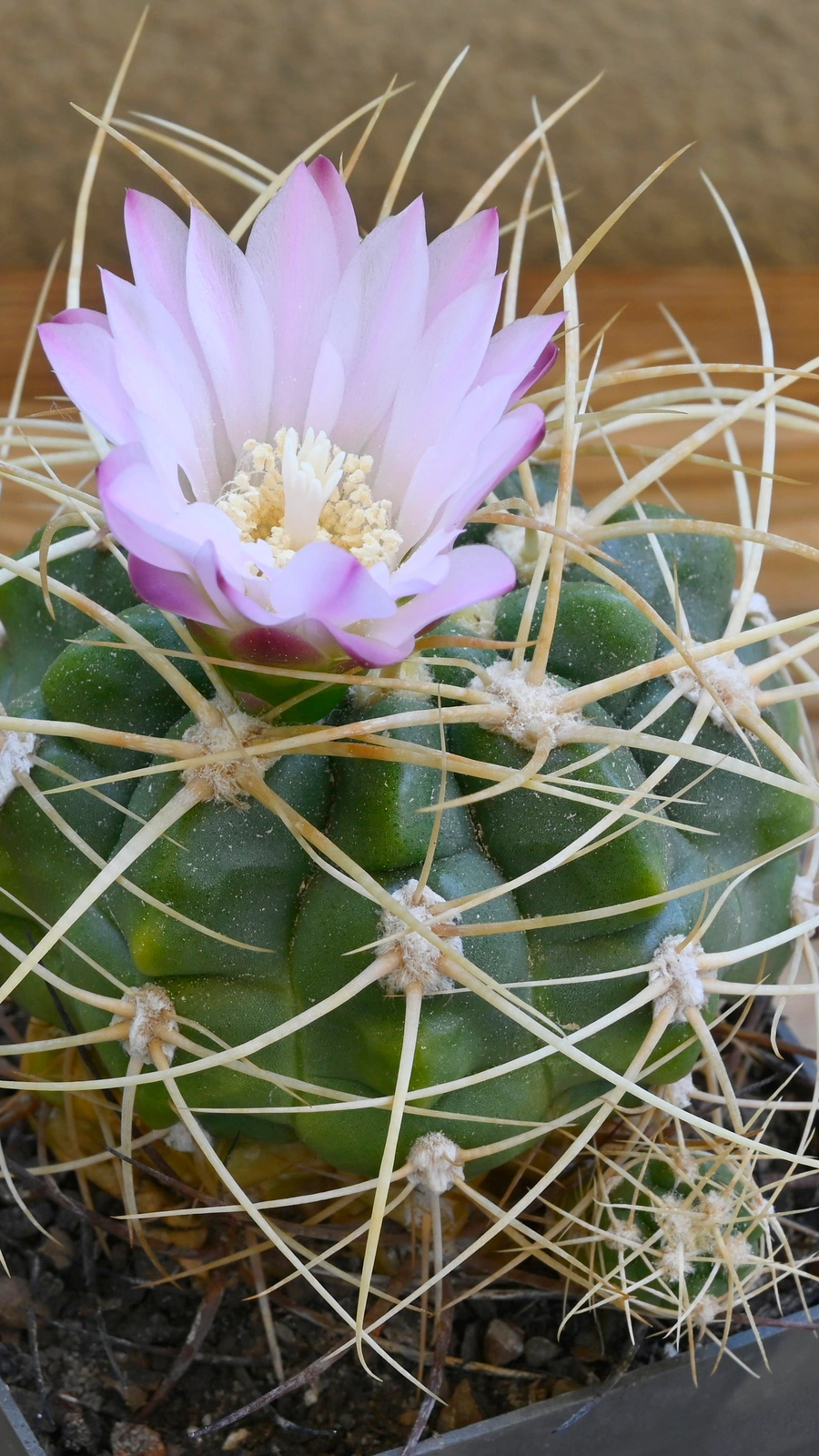
Gymnocalycium monvillei is a robust, globose cactus species belonging to the family Cactaceae. Highly favored by succulent enthusiasts, it is celebrated for its fierce, thick golden spines and large, showy pinkish-white blossoms.
Originally described as Echinocactus monvillei by Lemaire in 1838, it was later classified under the genus Gymnocalycium by Pfeiffer 1. The specific epithet "monvillei" honors Baron de Monville, a prominent French botanical patron and cactus collector of the 19th century.
Native to Argentina, particularly concentrated in the provinces of Córdoba and San Luis 2. It thrives in montane grasslands, rocky outcrops, and crevices at elevations between 500 to 2,700 meters above sea level. This habitat exposes it to dry, cold winters and warm, bright summers.
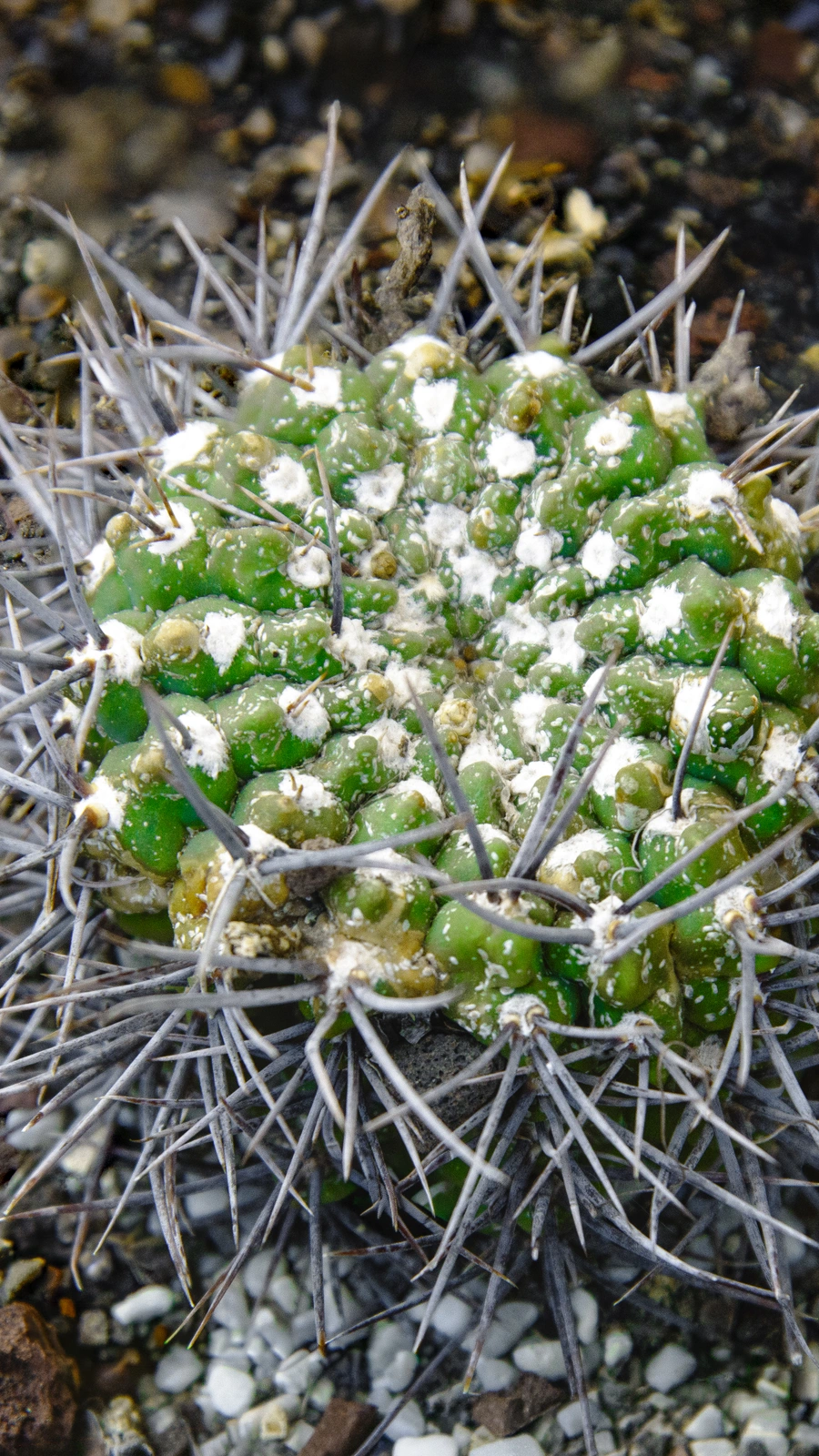
The solitary, flattened-globular stem can grow up to 20 cm in diameter and is dull green. It features 10 to 17 prominent, tuberculate ribs. Areoles bear heavy, slightly curved, yellowish-brown spines that age to grey. Large, funnel-shaped flowers, varying from pure white to soft pink, emerge from the crown during the growing season.
In culture, it demands highly porous, mineral-rich soils with excellent drainage. Water thoroughly during spring and summer, allowing the substrate to dry out completely between waterings. In winter, keep the plant dry and cool to encourage spring flowering.
Overwatering is the primary cause of root rot. Keeping the cactus in damp, stagnant air during the cold winter dormancy leads to fungal infections. Insufficient light can result in etiolation, causing the stems to stretch and weaken.
Prefers bright, indirect sunlight or filtered sun; shield from harsh midday summer rays.
Drench thoroughly then allow soil to dry completely. Keep nearly bone dry in winter.
Requires highly porous substrate consisting of pumice, perlite, and coarse sand.
Non-toxic to pets, but features very sharp spines that can cause mechanical injury.
Very easy and forgiving, making it perfect for beginners and seasoned collectors alike.
Naturally distributed across the grassy montane regions and rocky hillsides of Córdoba and San Luis in Argentina at high elevations.
