
Light
Bright Indirect Light
Requires bright, filtered sunlight. Avoid harsh direct afternoon sun to prevent sunburn.
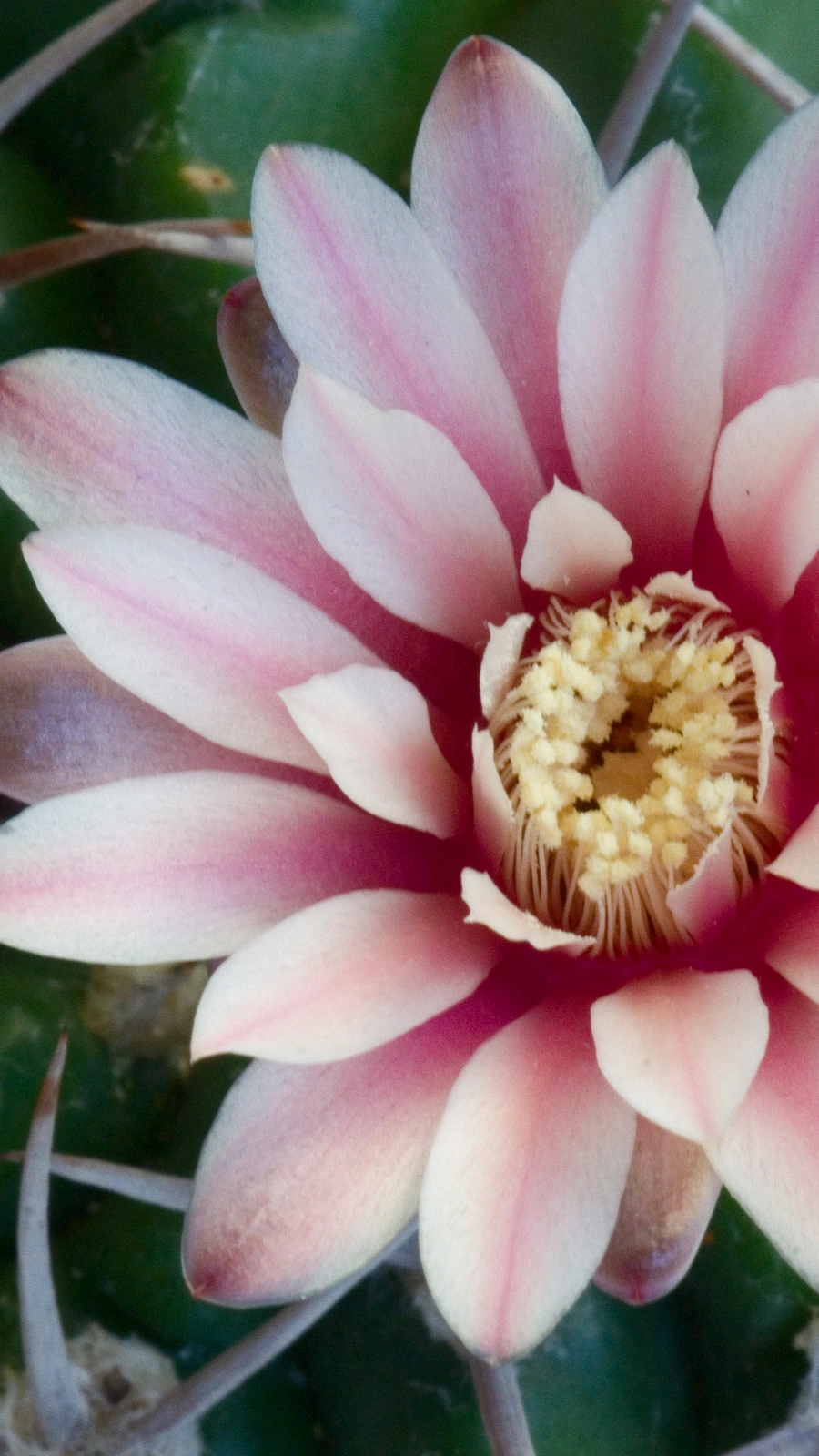 Reference image
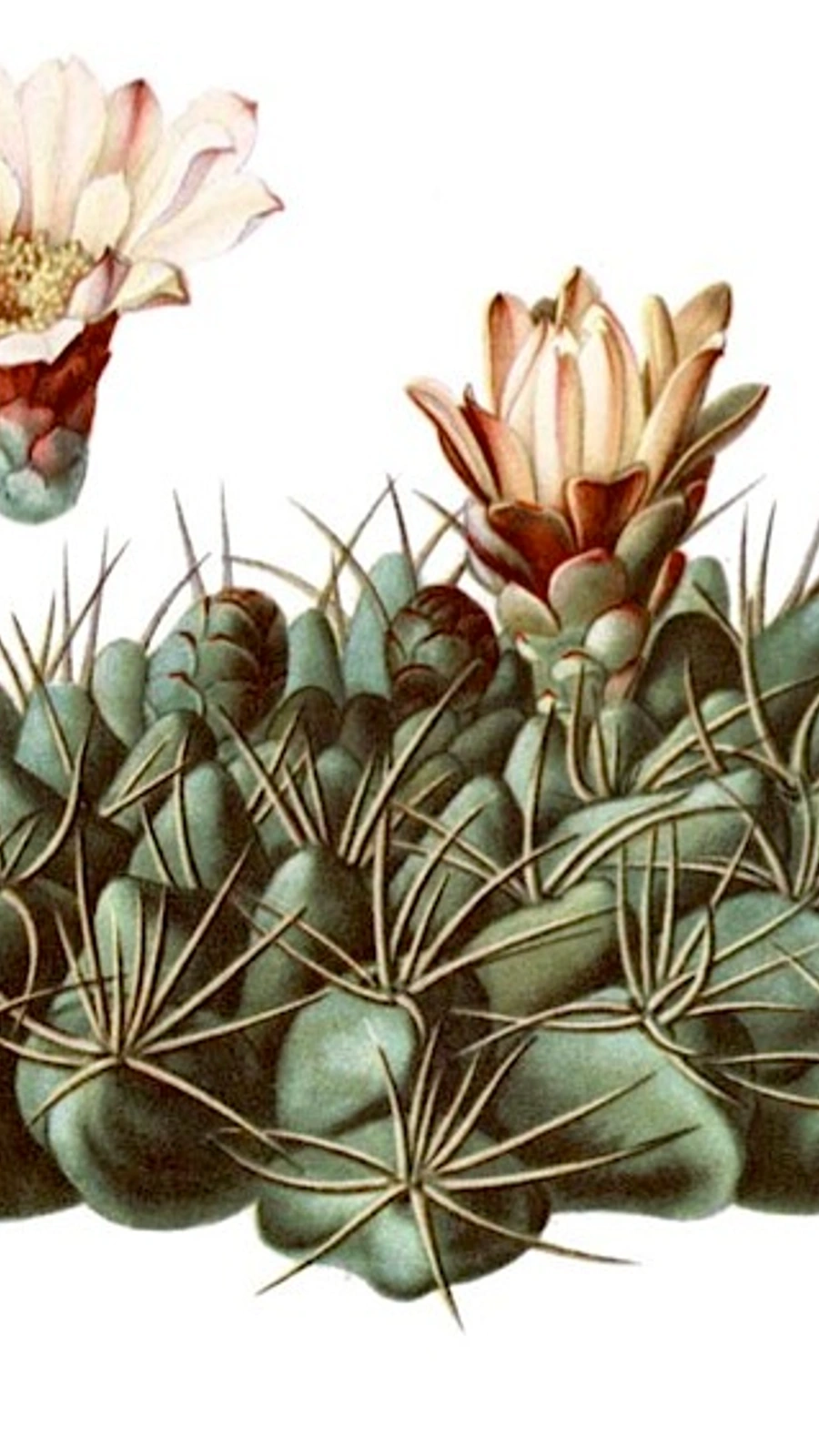 Reference image
Gymnocalycium mostii is a highly sought-after, solitary globose cactus belonging to the Cactaceae family. Known for its distinctively chin-like tubercles and large, elegant white-to-pink blossoms, it is a classic representative of the chin cactus genus, suitable for both beginner and expert succulent collectors.
Named in honor of the botanical enthusiast Carlos Most, this species embodies the classic traits of the genus Gymnocalycium. The generic name is derived from the Greek words for 'naked calyx' ("gymnos" and "kalyx"), indicating the hairless, scale-covered flower buds that distinguish this genus from other cacti 1.
Native to central Argentina, particularly within the provinces of Córdoba and San Luis 2. It thrives at elevations between 500 and 1500 meters above sea level, typically growing in rocky crevices, under the protective shade of sparse xerophytic shrubs, or on grassy hillsides.
The stem is globose, often flattening with age, reaching up to 15 cm in diameter with a deep dark-green to bluish-grey hue. It features 11 to 16 prominent, deeply notched ribs. Strong, slightly curved radial spines emerge from woolly areoles. In late spring, large, showy funnelform flowers bloom from the crown 3.
In cultivation, Gymnocalycium mostii prefers bright, filtered light rather than harsh, direct midday sun, which can cause epidermal scorching. It demands excellent drainage and a mineral-rich substrate. Water thoroughly only when the soil has completely dried, and maintain dry conditions during winter dormancy.
Overwatering is the primary cause of failure, quickly leading to root and stem rot. Keeping the cactus in warm, dark indoor environments during winter prevents it from entering the necessary cold dormancy, which often results in weak growth and a lack of summer blooms.
Requires bright, filtered sunlight. Avoid harsh direct afternoon sun to prevent sunburn.
Allow substrate to dry out completely between waterings. Keep nearly dry in winter.
Use a highly porous, mineral-rich cactus mix with plenty of pumice and grit.
Non-toxic to pets, but has sharp spines that require careful handling.
Very easy to grow, making it an excellent choice for beginner succulent enthusiasts.
Found in the montane grasslands and rocky hills of central Argentina, specifically within Córdoba and San Luis. It grows tucked under shrubs and rocks, which shield it from the most intense high-altitude sunlight and provide a well-drained, mineral-rich root run.
