
Gymnocalycium multiproliferum

Many-offsetting Chin Cactus

Overview

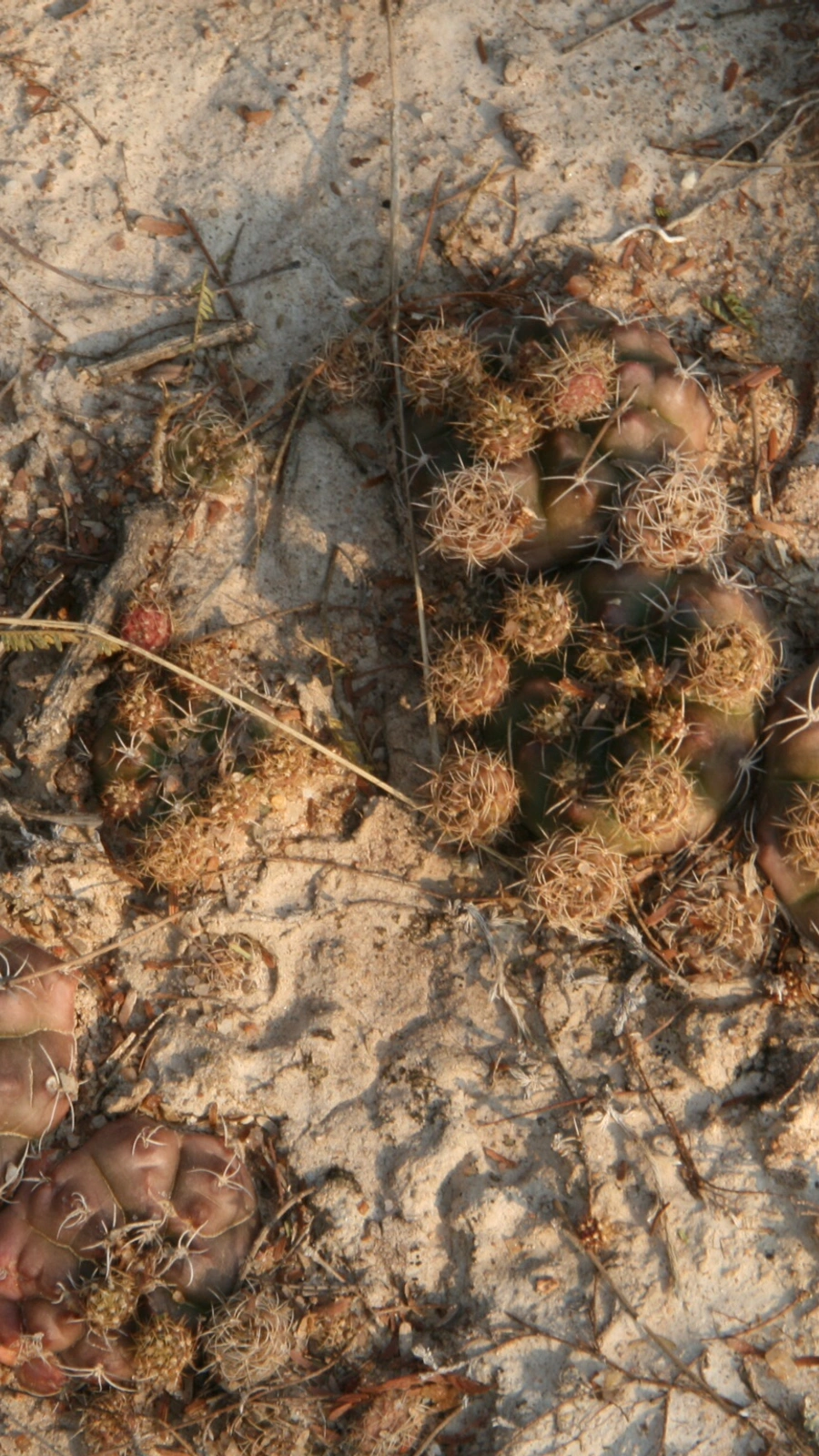
Gymnocalycium multiproliferum is a highly popular and attractive globose cactus known for its exceptional ability to produce numerous offsets (pups), forming dense, beautiful clumps over time 1. Belonging to the family Cactaceae, it is classified as a succulent subshrub and is highly valued by collectors for its resilient nature.

Taxonomy and Naming

The genus name Gymnocalycium is derived from the Greek words gymnos (naked) and kalyx (bud/calyx), referring to the flower buds that lack spines or hairs 2. The specific epithet multiproliferum highlights the species' distinctive habit of producing multiple offsets from the base and sides of the stem.

Distribution and Habitat

This species is native to South America, specifically parts of central Brazil, including Distrito Federal, Mato Grosso, Mato Grosso do Sul, and Goiás 1. It thrives in seasonally dry tropical biomes, often growing in rocky outcrops, grassy fields, or under the protective shade of low-growing shrubs.

Appearance

The main stem is globose to slightly flattened, presenting a greyish-green to dark olive-green epidermis. Ribs are well-defined with chin-like tubercles below the aeroles. Spines are relatively short, radiating, and pressed against the body. Showy, funnel-shaped flowers emerge from the crown, displaying white, cream, or pale pink petals.

Cultivation

In cultivation, G. multiproliferum is exceptionally easy to grow. It prefers bright, indirect sunlight or filtered morning sun, as intense direct summer sun can cause sunburn. Watering should follow the 'soak and dry' method, allowing the substrate to dry out fully between waterings 2.

Common Cultivation Mistakes

The most prevalent issue is root rot caused by poorly draining soil or overwatering during the winter dormancy period. Insufficient light leads to etiolation, where the plant stretches out and loses its compact shape.

References

  1. Plants of the World Online (POWO). Royal Botanic Gardens, Kew.
  2. Anderson, E. F. (2001). The Cactus Family. Timber Press.
Light

Bright Indirect Light

Filtered bright sunlight or partial shade is ideal; protect from scorching midday sun.
Watering

10-30 Days

Water thoroughly only when the soil is dry. Keep almost dry during winter.

Soil

Well-draining cactus mix with pumice and coarse sand

Provide mineral-rich, highly porous soil mix containing pumice, sand, and gravel.

Safety

Pet Friendly

Non-toxic to pets, but handle with care due to sharp spines.

Difficulty

Easy

Very easy to care for, making it perfect for beginners and small spaces.

Native Habitat

Brazil (Mato Grosso, Goiás, Distrito Federal)

Native to the interior plains and rocky slopes of Brazil, where it grows in seasonally dry tropical landscapes shaded by surrounding grasses and shrubs.

Frequently Asked Questions

Is Gymnocalycium multiproliferum toxic to pets?
No, this cactus species is **non-toxic** to pets. However, due to its sharp spines which can cause mechanical injury to paws or mouths, it is best kept out of their reach.
How often should I water this cactus?
During summer, water thoroughly once the soil has dried out completely (approx. every 10 days). In winter, reduce watering to once a month or suspend it entirely as the plant enters dormancy.
What kind of potting soil should I use?
You should use a fast-draining, mineral-heavy substrate. Mixing standard cactus soil with pumice, perlite, and coarse sand will enhance drainage significantly.
How much sunlight does Gymnocalycium multiproliferum need?
It thrives in bright, indirect light or filtered sunlight. Morning sun is highly beneficial, but harsh midday sun can cause unsightly sunburn marks on the epidermis.
How can I encourage this cactus to bloom?
To stimulate blooming, allow the cactus to rest in a cool (5-10°C) and completely dry environment during winter. In spring, increase light and resume light watering to trigger bud development.
What is the growth rate of this cactus?
It has a slow to moderate growth rate. However, it offsets very freely, meaning it will quickly produce side pups and form lovely, compact clusters that fill the pot.
Can I propagate it by separating the offsets?
Yes. During spring or summer, you can gently twist off the side pups from the mother plant. Let the callus dry for a few days, then pot them in dry cactus soil for successful propagation.
Can I leave my cactus on the balcony during winter?
If temperatures do not drop below 5°C and the soil remains dry, it can stay outside. However, in frost-prone areas, move it indoors to a cool, draft-free room for the winter.
The bottom of my cactus is turning brown, is this normal?
If the brown area is firm and woody, it is likely natural 'corking' due to aging. However, if the area is soft, mushy, or wet, it indicates root rot caused by overwatering.
When should I repot this cactus?
The best time to repot is at the beginning of spring. It should generally be done every 2-3 years, only when the plant has fully outgrown its current container, moving up just one pot size.