
Light
Bright Indirect Light
Prefers bright, indirect light or filtered morning sun. Protect from scorching mid-day sunlight.
 Reference image
 Reference image
Paraguayan Chin Cactus
Gymnocalycium paraguayense is a highly sought-after succulent subshrub in the family Cactaceae, native to Paraguay. Known for its flattened-globose stem and relatively smooth appearance, it is a classic representative of the "chin cacti" group.
The genus name Gymnocalycium is derived from the Greek gymnos (naked) and kalyx (bud/calyx), referring to the characteristic hairless and spineless flower buds 1. The specific epithet paraguayense directly denotes its native country, Paraguay, where it was first documented 2.
This species is endemic to Paraguay, primarily inhabiting rocky hillsides, granite outcrops, and dry subtropical shrublands 2. It grows tucked inside rock crevices or under the light shade of deciduous shrubs, which protect it from the harshest equatorial sun.
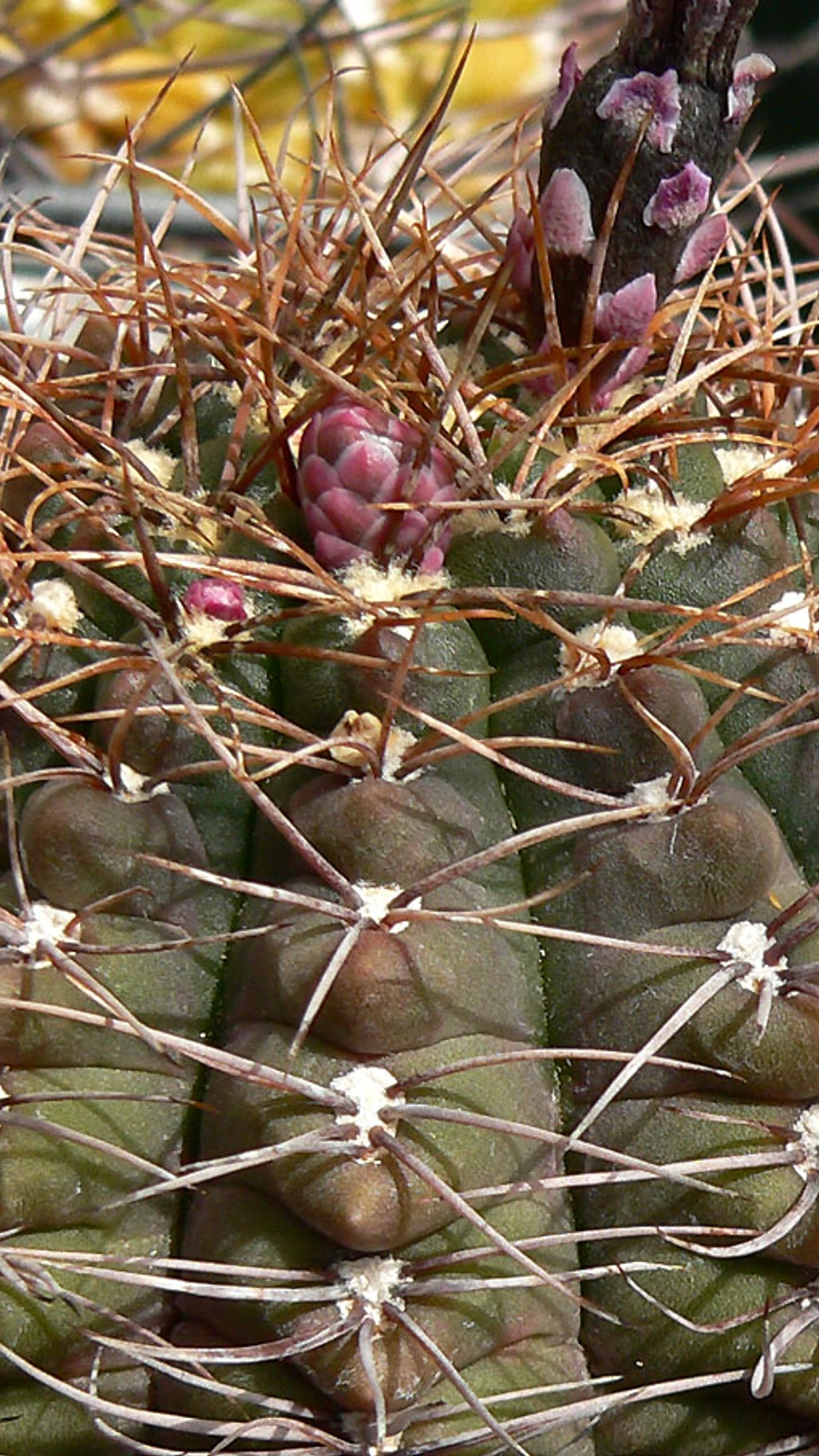
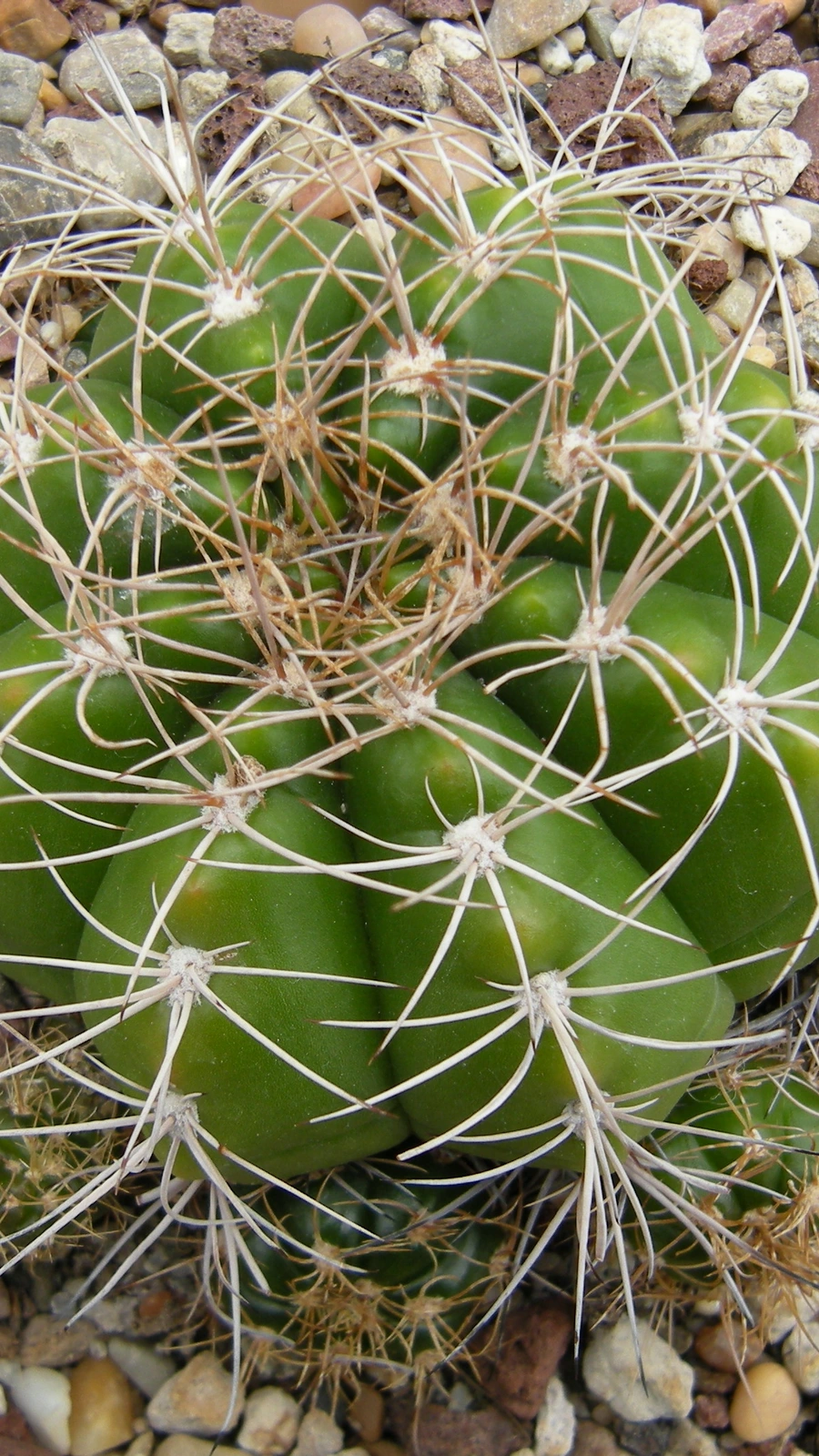
The plant features a solitary or slowly offsetting, flattened-globose body, dull green to brownish-green in color. It typically has 5 to 8 broad, low ribs with distinct chin-like swellings below the areoles. Spines are few, short, appressed, and curved back against the stem. The flowers are funnel-shaped, pristine white to pale pink, emerging from the plant's apex during late spring and summer.
In cultivation, Gymnocalycium paraguayense is a resilient and rewarding plant. It thrives in bright, indirect light or dappled shade 1. During the active growth phase, it requires thorough watering once the substrate dries out completely. Adequate ventilation and a distinct winter rest with minimal water are crucial for flowering.
The most prevalent issue is root rot caused by poorly drained soils or overwatering during the dormant winter phase. Insufficient light leads to etiolation (stretching), while sudden exposure to direct summer sun can cause irreversible epidermal scorching.
Prefers bright, indirect light or filtered morning sun. Protect from scorching mid-day sunlight.
Allow the potting mix to dry out fully before watering. Reduce watering to a minimum in winter.
Requires an open, highly porous mineral substrate with plenty of pumice, perlite, and coarse sand.
Non-toxic to pets and humans. Handle with care due to small spines on the areoles.
Very easy to grow, making it an excellent choice for beginner succulent collectors.
Native to the rocky hillsides and subtropical dry woodlands of Paraguay, where it thrives in granite crevices and gravelly soils under the partial shade of low shrubs.
